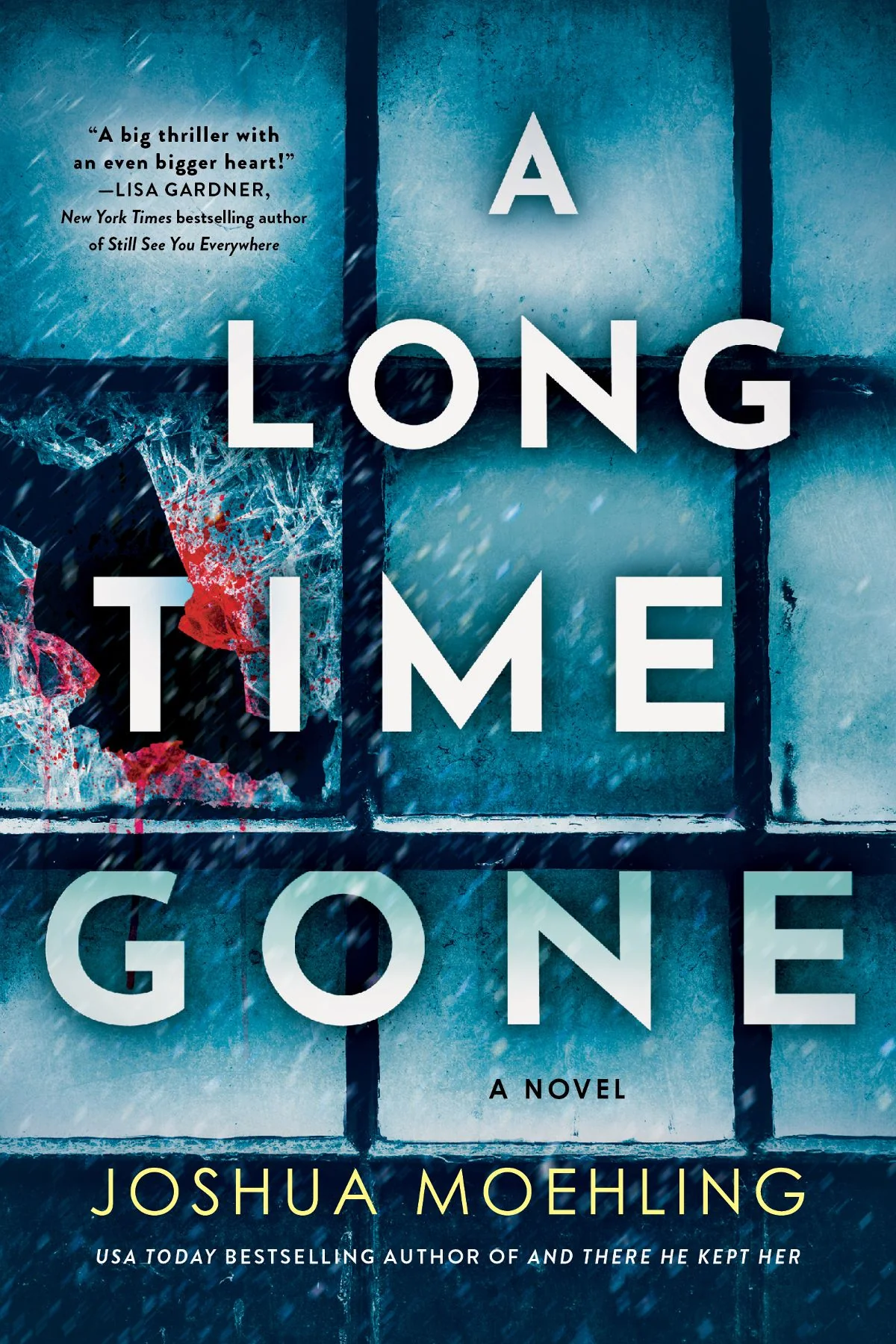
Chapter One
At the Sandy Lake Government Center, a property dispute case involving Jim Wolf and Robert Clark is about to commence. Deputy Ben Packard, now demoted to court security after losing the sheriff election to Howard Shepard, oversees the security checkpoint. Packard interacts with various individuals, including Jim Wolf, who taunts him about his current role, and Phyllis Egan, who reminds Packard of her support during his campaign.
During a court recess, tensions rise as Packard notices Robert Clark, the defendant, acting suspiciously. Clark, visibly agitated, attempts to conceal his movements. As the court prepares to reconvene, a woman in a green coat alerts Packard to Clark's concealed weapon. In a sudden and chaotic moment, Clark pulls out a gun and aims it at Jim Wolf. Packard reacts swiftly, shouting for everyone to get down and drawing his own weapon. Despite the chaos, Clark fires several shots, and in a split-second decision, Packard shoots Clark in the chest, ending the immediate threat.
The chapter sets a tense and atmospheric tone, highlighting the personal and professional challenges Packard faces. His demotion and the ongoing conflict with Shepard add depth to his character, while the sudden violence underscores the unpredictable nature of small-town life and the precarious balance of law enforcement in such environments.
Key Events
- Packard oversees security at the Sandy Lake Government Center.
- Jim Wolf taunts Packard about his demotion.
- Robert Clark pulls out a gun and aims it at Jim Wolf.
- Packard shoots Clark to prevent further violence.
Characters Appearing
- Jim Wolf
- Robert Clark
- Phyllis Egan
- Deputy Blanchard
Themes
- Tension and violence in small towns
- Professional and personal challenges
- The precarious balance of law enforcement in rural settings
Chapter Two
Sheriff Howard Shepard stumbles through his first press conference on the courthouse shooting, following the procedures Packard had outlined the previous day. Packard, now on administrative leave, reflects on the events leading to the shooting, haunted by the image of Robert Clark's face moments before he was shot. He imagines Clark as a local man who felt he had nothing left to lose, a sentiment that resonates with Packard's own sense of loss and isolation. The death of Mark Quinto, a juror struck by a stray bullet, adds to the gravity of the situation. Packard knows his actions were justified, but the weight of the incident still bears heavily on him. He sends a message to his family, informing them of the shooting and his current status. His sister responds immediately with concern, and Packard hints at unresolved issues about Nick. The chapter ends with Packard preparing for a family Zoom call, a moment that promises to bring more revelations.
Key Events
- Sheriff Shepard gives his first press conference on the courthouse shooting.
- Packard reflects on the events leading to the shooting and his decision-making process.
- Packard sends a message to his family about the shooting and hints at news about Nick.
Themes
- The burden of duty and its emotional toll
- The impact of violence on personal and community levels
- Family and the need for support
Chapter Three
In a poignant flashback, the chapter delves into the disappearance of Nick Packard, Ben’s older brother, who vanished thirty years ago after sneaking out of his grandparents’ house. Ben, then twelve, was the last to see Nick alive, recalling the night they wrestled at the back door before Nick took off on a snowmobile. The next day, divers found Nick’s sled and a frozen glove in the lake, suggesting a struggle, but Nick’s body was never recovered. This memory haunts Ben, who recently discovered that the case file had been tampered with by the late Sheriff Stan Shaw, who had made a deal with a suspect to reveal a potential burial site in exchange for protecting the suspect’s family.
Ben, now demoted to court security, shares this new development with his family during a tense Zoom call. He reveals that Stan had uncovered a lead suggesting Nick’s body might be in the woods, not the lake, and that there’s a possibility Nick was murdered. His family is shocked and emotional, with his sister Anne expressing disbelief and his brother Joe offering to help. Ben’s mother, Pam, insists on coming to town to support him, despite his protests.
Meanwhile, Ben struggles with the lack of evidence and the bureaucratic hurdles set by the new Sheriff, Howard Shepard, who is reluctant to allocate resources to the investigation. Adding to his stress, a call from the department’s digital forensics expert, Suresh, informs him that his body camera was not activated during the courthouse shooting, potentially complicating the investigation into his actions. This news, coupled with his mother’s impending arrival, leaves Ben feeling overwhelmed and frustrated as he tries to navigate both personal and professional challenges.
Key Events
- Ben recalls the night his brother Nick disappeared.
- Ben discovers that the case file was tampered with by the late Sheriff Stan Shaw.
- Ben shares the new development about Nick’s case with his family during a Zoom call.
- Ben’s mother decides to come to town to support him.
- Suresh informs Ben that his body camera was not activated during the courthouse shooting.
Themes
- Family and loss
- Bureaucratic obstacles
- Uncovering hidden truths
Chapter Four
The Minnesota Bureau of Criminal Apprehension (BCA) takes over the investigation following the courthouse shooting, interviewing witnesses and collecting evidence. Packard is questioned about the incident, particularly why his body camera wasn't activated, which adds to his stress. The lack of video evidence and the fact that the county attorney is a friend of Jim Wolf make Packard nervous about the outcome of the investigation.
Ten days after the shooting, Packard’s mother arrives in town, her presence a mix of comfort and a reminder of the family’s unresolved grief over Nick’s disappearance. They spend time together, cooking, walking Frank the corgi, and playing games. Packard’s mother’s spiritual rituals at the location marked on Stan Shaw’s map add a layer of emotional complexity to the search for Nick’s remains.
Later, Packard takes his mother to the Hopfenstopfen brewery, where they enjoy a meal and drinks. Her interactions with Kyle, one of the co-owners, hint at a potential romantic interest, which Packard deflects with embarrassment. The evening highlights the tension between Packard’s desire for normalcy and his ongoing struggles with the shooting and the investigation into Nick’s disappearance.
Key Events
- BCA takes over the investigation of the courthouse shooting.
- Packard is questioned about the non-activation of his body camera.
- Packard’s mother arrives and performs a spiritual ritual at the site of the map location.
- Packard and his mother visit the Hopfenstopfen brewery, where his mother flirts with Kyle.
Themes
- Grief and unresolved trauma
- Spiritual and emotional healing
- Conflict between personal life and professional duties
Chapter Five
The next morning, Packard and his mother drive to Lake Redwing to visit the family’s old lake house, a place where his grandfather had purchased a home in the 1950s. Upon arrival, they notice the house is empty and sealed by the Sandy Lake Sheriff’s Department, indicating that something has happened there. Packard’s mother is initially confused, but Packard confirms that the house is indeed empty and sealed.
After a brief discussion, Packard calls dispatch to inquire about the property and learns that the previous occupant, Louise, died last summer after falling down the basement stairs. Disturbed by this revelation, they decide to enter the house using a spare key hidden in the dryer vent. Inside, Packard is overwhelmed by memories of his childhood and the last time he saw his brother, Nick, arguing in the kitchen. His mother reminds him of a detail he had forgotten: he had tried to follow Nick on a sled but crashed and walked home, a fact that shocks Packard.
As they explore the house, they notice the strong smell of a decomposing body, confirming Louise’s tragic end. Packard reflects on the lack of attention the case received, especially given Sheriff Shepard’s involvement. His mother suggests they look upstairs, and they find more personal items, including a bookmarked book and a set of photographs from the case file. Packard is particularly drawn to a photo of Nick in the lake with a girl and a boy, whose identities he does not recognize.
Their visit is interrupted by a neighbor, Andrea, who questions their presence in the sealed house. Andrea reveals that the house is tied up in probate and is attracting interest from potential buyers. Another knock at the door brings Deputy Baker, who has been called to investigate the unauthorized entry. Packard explains their connection to the house and decides to leave, taking the spare key with him. As they depart, Packard notices a man watching them from a neighboring house, who does not acknowledge his wave.
Key Events
- Packard and his mother visit the family’s old lake house and find it sealed by the sheriff’s department.
- Packard learns that Louise, the previous occupant, died last summer after falling down the basement stairs.
- Packard and his mother enter the house using a spare key and are overwhelmed by childhood memories.
- Packard’s mother reveals a forgotten detail about the night Nick disappeared.
- They find a set of photographs from the case file, including one of Nick in the lake with unknown individuals.
- Their visit is interrupted by a neighbor, Andrea, and Deputy Baker, who investigates the unauthorized entry.
Characters Appearing
- Andrea
Themes
- Memory and nostalgia
- Family secrets and unresolved grief
- The impact of past events on the present
Chapter Six
Following the courthouse shooting and the subsequent investigation, Ben Packard returns home, still processing the events of the previous day. He spends some time with his dog, Frank, and begins working on a digital case file for his brother Nick’s disappearance. Incorporating Stan Shaw’s letter and the map, along with notes from his recent visits and conversations with Sheriff Shepard, Ben reflects on the night Nick disappeared, questioning the reliability of his recollections due to the uncertainty of memory and imagination.
Determined to uncover more, Ben decides to delve deeper into the circumstances surrounding Louise Larsen’s death, the previous occupant of his family’s old lake house. He contacts Lisa Washington, a public defender, to gather more information about her father, Raymond Wiley, who had made the initial welfare check call. Through their conversation, Ben learns about Louise’s lack of family, her estate, and the potential for Ray to help identify people in the photos from the case file. Lisa also reveals her family’s connection to Sheriff Shepard, adding a layer of complexity to Ben’s interactions with the law enforcement community.
Later, Ben’s mother arrives for dinner, bringing a bottle of wine and a willingness to engage in deep conversation. Over a homemade meal and a game of Scrabble, they discuss the emotional toll of the shooting, the importance of seeking psychological evaluation, and the lingering effects of Nick’s disappearance. Ben’s mother opens up about the family’s gradual shift from constant discussion to silence about Nick, revealing the profound impact of the event on their lives and the hope that finding Nick’s body might bring closure.
The chapter concludes with Ben and his mother sharing a moment of vulnerability and love, reflecting on the past and the possibility of finding answers. Ben’s mother decides to stay overnight, further emphasizing the supportive role she plays in his life during this challenging time.
Key Events
- Ben starts a digital case file for Nick’s disappearance.
- Ben contacts Lisa Washington for information about Louise Larsen’s death.
- Ben and his mother have a heartfelt conversation about the shooting and Nick’s disappearance.
- Ben’s mother decides to stay overnight at Ben’s house.
Themes
- The struggle with unreliable memory and the search for truth
- The importance of family support in times of crisis
- The impact of unresolved trauma on personal relationships
Chapter Seven
Ben and his mother share a quiet breakfast the next morning, with his mother still feeling the effects of the previous night's drinking. After breakfast, she uses the infrared sauna in Ben’s bathroom, emerging refreshed and ready for the day. The bright, cold weather sets the tone for their drive around Lake Redwing to Ray Wiley’s house.
During the drive, Ben discusses the Emmett Burr case with his mother, explaining how it intersected with the disappearance of Jenny Wheeler, his cousin Susan’s daughter. Ben expresses his doubts about Emmett Burr’s involvement in Nick’s disappearance, noting that Emmett primarily targeted women. They arrive at Ray Wiley’s house, a modest but well-kept property, and are greeted by Ray, an elderly man with a dismissive attitude towards Ben’s failed sheriff campaign. Despite the tension, Ray agrees to help identify people in the photos from Nick’s case file.
Ray provides names for several individuals in the photos, though they are all deceased. He also shares a story about a Middle Eastern doctor and his children who lived near the lake, suggesting a possible connection to the photo of Nick with unknown individuals. Ray’s account reveals that the family left the area after a short time, leaving no trace. When Ben asks about Louise Larsen’s death, Ray becomes defensive and hostile, warning Ben not to investigate further. The conversation ends abruptly, with Ray pushing them out of the house.
Back in the truck, Ben and his mother reflect on the encounter with Ray, discussing the unpleasant nature of his comments and the broader implications of his resistance to their questions. The chapter ends with a sense of unresolved tension and the promise of further investigation.
Key Events
- Ben and his mother share breakfast and discuss the previous night’s events.
- Ben explains the Emmett Burr case to his mother and rules out Emmett’s involvement in Nick’s disappearance.
- Ben and his mother visit Ray Wiley to identify people in the photos from Nick’s case file.
- Ray provides names for several individuals in the photos and shares a story about a Middle Eastern doctor and his children.
- Ray becomes defensive and hostile when Ben asks about Louise Larsen’s death, warning Ben not to investigate further.
Characters Appearing
- Daisy (Ray Wiley's Irish setter)
Themes
- The resistance to uncovering uncomfortable truths
- The complexity of small-town dynamics and hidden secrets
- The persistence of unresolved mysteries in personal histories
Chapter Eight
A terse text from Sheriff Shepard summons Packard to the office the next morning. Upon arrival, he finds the office empty and uses the time to research the property history of the house once occupied by Dr. Abbas Rassin, a Middle Eastern doctor who lived near the lake around the time Nick disappeared. Packard discovers that Rassin bought the house in 1991, two years before Nick’s disappearance, and sold it two years later, moving to Duluth. However, attempts to contact Rassin reveal that his phone number is no longer in service.
Sheriff Shepard enters and immediately confronts Packard about his uninvited visit to Ray Wiley’s house, accusing him of badgering Ray about Louise Larsen’s death. Packard defends his actions, explaining that he was merely curious and seeking information about the case. Shepard reprimands him for overstepping his bounds, emphasizing that Packard’s current role is limited due to his leave status. Shepard also mentions receiving complaints from Louise’s neighbors about Packard breaking the seal on the family’s old lake house. Despite the tension, Packard stands firm, questioning why the initial report on Louise’s death was so brief and why it was reassigned to another deputy while Shepard was on vacation.
At lunch, Packard meets Thielen and Deputy Reynolds at El Toro Loco, a local Mexican restaurant. The conversation turns sour as Thielen vents about her week, including a distressing call involving an ALS patient who committed suicide. Packard discusses his findings on Dr. Rassin and proposes taking Reynolds to Duluth to investigate further. Thielen refuses, citing their workload, and Packard decides to go alone. He then requests a second look at Louise’s death, arguing that the case deserves more attention. Thielen, already frustrated, dismisses his concerns, leading to a heated exchange. Packard leaves the restaurant, feeling the strain in their relationship and the frustration of his current limitations.
Key Events
- Packard researches the property history of Dr. Abbas Rassin’s house.
- Shepard reprimands Packard for visiting Ray Wiley and breaking the seal on the family’s old lake house.
- Packard and Thielen have a heated argument over his investigation into Louise Larsen’s death.
Themes
- Professional tension and overstepping boundaries
- Personal investigations versus official constraints
- Strained professional relationships and emotional toll
Chapter Nine
The next morning, Packard and his mother set off for Duluth, determined to locate Dr. Abbas Rassin, whose property history they had traced. During the drive, they speculate about the possibility that Nick and the girl in the photo might have met secretly during Christmas break. Upon reaching Dr. Rassin’s former house, they learn from the current occupants that he moved to an assisted living facility a couple of years ago. Packard feels a sense of urgency, recognizing that they are on the right trail.
At the Harbor, an assisted-living facility, they meet Ann, the director, who informs them that Dr. Rassin passed away five months ago. Packard’s mother is visibly shaken, while Packard grapples with the realization that they are too late to speak with him. Ann, moved by their earnestness, provides a lead on Dr. Rassin’s son, Hamid, a tattoo artist in Duluth. Her kindness underscores the power of human connection in gaining cooperation.
After dropping his mother off at the airport, Packard heads to Harbor Town Tattoos. There, he meets Alex, the shop owner, who directs him to Hamid’s apartment. Despite Hamid’s initial reluctance, Packard confirms his identity and his father’s recent death. Realizing that the boy in the photo with Nick would now be nearly fifty, not matching Hamid’s age, Packard begins to suspect a potential misidentification.
Key Events
- Packard and his mother drive to Duluth to locate Dr. Abbas Rassin.
- They learn from the current occupants that Rassin moved to an assisted living facility.
- At the assisted-living facility, they discover Rassin died five months ago.
- Ann provides a lead on Rassin’s son, Hamid, a tattoo artist in Duluth.
- Packard visits Harbor Town Tattoos and meets Alex, who directs him to Hamid’s apartment.
- Hamid confirms his identity and his father’s recent death, but his age does not match the boy in the photo with Nick.
Characters Appearing
- Hamid Rassin
- Alex (tattoo artist)
Themes
- The relentless pursuit of truth and closure
- The impact of past events on ongoing investigations
- The role of human empathy in overcoming obstacles
Chapter Ten
Packard visits Hamid Rassin, Dr. Abbas Rassin’s son, in his Duluth apartment, determined to gather more information about the photo of Nick and the two unknown individuals. Despite the cold and the pungent smell of weed and takeout, Packard shows Hamid the photo and asks if he recognizes the people. Hamid reveals that his father had two children from a previous marriage, Faizah and Faisal, but he never met them, as they were sent to live with family in Iraq when they were young. Hamid shares his strained relationship with his father, who disapproved of his career choices and cultural identity.
Hamid suggests Packard speak with his aunt Eleanor, who might have more information about Faizah and Faisal. Packard then visits Eleanor, a retired office manager who worked for Dr. Rassin for twenty-five years. She provides details about the children, describing Faizah as troublesome and Faisal as quiet and religious. Eleanor recalls that the children were sent to Istanbul with Dr. Rassin’s brother, and she never saw them again. The conversation with Eleanor reveals the urgency and secrecy surrounding the children’s departure, highlighting Dr. Rassin’s protectiveness and control.
Returning to Hamid’s apartment, Packard discovers Nick’s original case file in a box of Dr. Rassin’s personal belongings. The file, which he thought was lost, contains crucial information that could advance his investigation. Hamid allows Packard to take the file, hoping he will find his half-siblings and inform them about him. As Packard drives back to Sandy Lake, he reflects on the new leads and the progress he has made, despite the challenges and the emotional toll of the investigation.
Key Events
- Packard visits Hamid Rassin and learns about Dr. Rassin’s first children, Faizah and Faisal.
- Hamid suggests Packard speak with his aunt Eleanor for more information.
- Eleanor provides details about Faizah and Faisal and their sudden departure to Istanbul.
- Packard discovers Nick’s original case file in a box of Dr. Rassin’s personal belongings.
- Hamid allows Packard to take the file, hoping to find his half-siblings.
Characters Appearing
- Eleanor (Hamid's aunt)
Themes
- Family and loss
- Secrecy and control
- The search for identity
Chapter Eleven
In the days following the shooting of Robert Clark, Packard grapples with his mental state, finding solace only in physical exertion and cold water immersion. Isolated and avoiding contact with Thielen, he remains at home, cut off from the office and the ongoing BCA investigation. The uncertainty leaves him in a state of limbo, with limited access to information.
Immersed in the details of Nick’s case file, which he retrieved from Dr. Rassin’s possessions, Packard uncovers inconsistencies and gaps in the official narrative. The file highlights discrepancies in the timing of finding Nick’s glove and the involvement of Dr. Rassin’s children, Faizah and Faisal. Despite the revelations, the trail runs cold, with no traces of Faizah and Faisal in any database.
A call from Lisa Washington informs Packard that the estate sale company is preparing to clean out Louise Larsen’s house. Intrigued, he meets Lisa at the house, where he notices peculiarities about the basement door and its latch mechanism. The condition of the door and the presence of blood and hair on the latch suggest that Louise’s fall down the stairs may not have been an accident. This discovery reignites his determination to investigate Louise’s death further, and he declares the house a crime scene.
Key Events
- Packard struggles with his mental health and isolation.
- Packard reviews Nick’s case file, uncovering inconsistencies.
- Packard discovers blood and hair on the basement door latch at Louise Larsen’s house.
- Packard declares Louise Larsen’s house a crime scene.
Themes
- Mental and emotional struggle
- Uncovering hidden truths
- The complexity of small-town investigations
Chapter Twelve
Packard calls dispatch to request a patrol deputy to the scene at Louise Larsen’s house. He updates Thielen, who is dealing with a stomach bug, about the blood, hair, and bent eyelet he found, suggesting that Louise’s fall was not accidental. Thielen agrees to review Packard’s notes and documentation in the morning.
The deputy arrives, and Packard and Lisa Washington prepare to secure the scene. Packard emphasizes the need to delay the estate sale until a thorough investigation is conducted. The deputy takes photos and notes, while Packard collects evidence, including blood, hair, and the door handle. He notices a man in the neighboring house watching them, likely Andrea’s husband.
Back at the station, Packard logs the evidence and works on his laptop, documenting his visits to Louise’s house. He reflects on the inconsistencies in Shepard’s original report, noting that Ray Wiley had personally called Shepard to check on Louise, a detail omitted from the report. Packard considers the motives for Louise’s murder, suspecting that someone might have wanted to tie up her assets in probate court.
Packard contacts Dr. Simon Hersh, the medical examiner, who confirms that Louise’s injuries could have been caused by the bent eyelet rather than the stairs. Hersh admits to missing the eyelet during his initial examination and recalls a follow-up call from Ray Wiley, who was concerned about Louise’s suffering. Packard’s findings and Hersh’s confirmation suggest that Louise’s death was not an accident, and he is determined to uncover the truth.
Key Events
- Packard requests a patrol deputy and updates Thielen about the evidence at Louise’s house.
- Packard and the deputy collect evidence, including blood, hair, and the door handle.
- Packard documents his visits to Louise’s house and identifies inconsistencies in Shepard’s report.
- Packard contacts Dr. Hersh, who confirms that Louise’s injuries could have been caused by the bent eyelet.
Themes
- Investigation and evidence collection
- Mistrust and cover-ups
- Determination and justice
Chapter Thirteen
The next morning, Packard heads to the office early to update Thielen on his findings at Louise Larsen’s house. However, he encounters Shepard, who informs him that Jim Wolf is there to discuss the 'Packard problem.' Packard recounts his visit to Louise’s house and the evidence he found, suggesting that her death was not an accident. Wolf accuses Packard of seeking attention and interfering with his business plans, leading to a heated exchange. Thielen backs Packard, agreeing that the case warrants further investigation. Shepard, though reluctant, seems resigned to letting Packard take the lead.
Later, Packard visits Max Scarpetta, a neighbor of Louise, who reveals that he and his wife were close to Louise and often had her over for dinner. Max also mentions his interest in buying Louise’s house and tearing it down, a plan that was thwarted by Jim Wolf’s involvement. Packard senses that Max is not entirely truthful about his intentions.
Next, Packard visits Brian Hopkins, another neighbor and Andrea Hopkins’s husband. Brian is evasive about his and Andrea’s relationship with Louise, and Packard notices inconsistencies in their stories. Brian mentions his work in energy and commodities, but his answers are vague. Packard departs with a growing sense of unease, feeling that the neighbors’ accounts are riddled with contradictions.
Key Events
- Packard confronts Shepard and Wolf about Louise Larsen’s death.
- Thielen supports Packard’s investigation into Louise’s death.
- Packard interviews Max Scarpetta, learning about his interest in Louise’s house.
- Packard visits Brian Hopkins, who provides conflicting information about his and Andrea’s relationship with Louise.
Characters Appearing
- Linda Scarpetta
- Brian Hopkins
Themes
- Trust and Deception
- Financial Motives and Property Interests
- Inconsistencies in Neighbor Accounts
Chapter Fourteen
Following the heated confrontation with Shepard and Jim Wolf, Packard retreats to his home to continue his investigation into Louise Larsen’s death. He delves deep into the backgrounds of Brian Hopkins and Max Scarpetta, uncovering Hopkins’s extensive involvement in multiple LLCs and his wife Andrea’s political career. Meanwhile, Max’s connection to financial scandals at Wells Fargo raises further suspicions. Packard begins to piece together the financial motives behind the interest in Louise’s property, sensing a web of deceit and potential foul play. Marsha Weber, Ray Wiley’s assistant, unexpectedly visits Packard with confidential information about Louise’s estate, adding another layer of complexity to the case.
Key Events
- Packard researches Brian Hopkins and Max Scarpetta’s backgrounds.
- Packard uncovers financial motives and connections to Louise Larsen’s property.
- Marsha Weber, Ray Wiley’s assistant, provides confidential information about Louise’s estate.
Characters Appearing
- Marsha Weber
Themes
- The intricate web of financial and personal interests in small-town politics
- The moral ambiguity of justice and the pursuit of truth
- The role of confidential informants in unraveling complex cases
Chapter Fifteen
Following the confrontation with Ray Wiley over the search warrant for Louise Larsen’s estate records, Packard continues his investigation. He starts the day with a workout, a cold plunge, and a walk with Frank, then fills out the necessary paperwork for the warrants. Packard sends the warrants to the judge presiding over the Jim Wolf v. Robert Clark case, hoping his actions during the courthouse shooting will expedite the process. By noon, he has the signed warrants and delivers one to Ray Wiley’s office, enduring a furious tirade from Ray before leaving with the promise to return for the records later.
At the bank, Packard drops off the second warrant with minimal resistance. He meets Deputy Reynolds for lunch at the Spot Café, where they discuss the case and the challenges of investigative work. Together, they visit the three commercial properties owned by Louise Larsen, finding them all vacant and in disrepair. Reynolds shares his preference for patrol work, and Packard advises him to communicate his career goals clearly. Back at the sheriff’s office, they review the extensive paperwork from Ray Wiley’s office and the bank, discovering that Tess Reid, the property manager, withdrew $50,000 from Louise’s account in November.
Packard and Reynolds visit Tess Reid’s residence but find it unoccupied. They speak with Mike Turner, Tess’s landlord, who reveals that Tess disappeared in November, leaving behind all her belongings and paying rent through January. Mike describes Tess as a capable and sociable tenant who occasionally hosted parties with her friends. They learn that Ray Wiley’s daughter had also visited looking for Tess. Packard and Reynolds take the keys to Tess’s house and assure Mike they will keep him informed of their findings. Packard begins to suspect that Ray Wiley’s daughter might be withholding information.
Key Events
- Packard obtains and delivers search warrants for Louise Larsen’s estate records.
- Packard and Reynolds visit Louise Larsen’s commercial properties, finding them vacant and in disrepair.
- Packard and Reynolds discover that Tess Reid, the property manager, withdrew $50,000 from Louise’s account in November.
- Packard and Reynolds learn from Mike Turner that Tess disappeared in November.
- Packard suspects that Ray Wiley’s daughter might be withholding information about Tess.
Characters Appearing
- Mike Turner
Themes
- Investigation and evidence gathering
- Financial discrepancies and suspicious transactions
- The personal and professional challenges of law enforcement
Chapter Sixteen
After a reflective dinner with Reynolds and his family, Packard contemplates the upcoming BCA investigation report, recognizing it won't alleviate his internal turmoil over the shooting. The next morning, he and Reynolds visit Tess Reid’s rental, noting signs of a hasty departure and discovering old phone books. Intrigued, they proceed to the Big Beaver bar, where the owner, Steph, offers insights into Tess and her former girlfriend, Brenda. Steph sends photos of both women to Packard. Later, Packard contacts Gary Bushwright, a local dog rescuer, to gather more information about Tess and her dog, Lady Gaga Pinot Grigio MargaretAnn String Cheese Reid.
Key Events
- Packard and Reynolds visit Tess Reid’s rental and find signs of a hurried departure and old phone books.
- Packard and Reynolds visit the Big Beaver bar and gather information about Tess and Brenda from the owner, Steph.
- Packard calls Gary Bushwright, a local dog rescuer, to learn more about Tess and her dog, Lady Gaga Pinot Grigio MargaretAnn String Cheese Reid.
Characters Appearing
- Steph (Big Beaver bar owner)
- Gary Bushwright
Themes
- Investigative perseverance
- The impact of personal history on current actions
Chapter Seventeen
Packard finds solace in the routine of walking Frank, reflecting on the changing seasons and the impending BCA report. He cooks a simple dinner, feeling a sense of solitude and contentment, reminiscent of his childhood memories of his grandparents. During a phone call with his mother, he discusses his ongoing investigation into Louise Larsen’s death and the lack of progress in finding his brother Nick’s remains. His mother’s persistent advice to call Kyle, a brewery owner, adds a layer of personal tension to his professional challenges.
After the call, Packard contemplates reaching out to Kyle but decides against it, opting instead to focus on his work. He reviews his notes from recent visits to Tess Reid’s house, the Big Beaver bar, and the lesbian cabin, concluding that Brenda is likely lying about Tess’s whereabouts. He also examines the financial records from the bank and Ray Wiley’s office, noting discrepancies in Louise’s business account and the large withdrawal of $50,000 by Tess. These findings deepen his suspicion that someone close to Louise might be involved in her disappearance and the subsequent financial activities.
Packard’s analysis of the bank statements reveals that Louise’s business account had no consistent income, and the large electricity bill for the vacant commercial properties raises further questions. He makes a note to investigate the electric bill, recognizing that it could provide crucial insights into the buildings’ usage. Despite the complexity of the case, Packard feels a sense of accomplishment from his productive workday and looks forward to a restful night.
Key Events
- Packard reflects on the changing seasons and the impending BCA report.
- He discusses his investigation with his mother and her persistent advice to call Kyle.
- Packard reviews his notes and financial records, suspecting Brenda of lying about Tess’s whereabouts.
- He discovers discrepancies in Louise’s business account and the large withdrawal of $50,000 by Tess.
- Packard notes the large electricity bill for the vacant commercial properties and plans to investigate further.
Themes
- Reflection on personal and professional challenges
- Financial motives and deception
- The complexity of small-town investigations
Chapter Eighteen
Packard undergoes a psychological evaluation with Tim, Thielen’s husband, to assess his fitness to return to work. Tim, a therapist, creates a formal setting by closing the door and ensuring confidentiality, which contrasts with the usual friendly rapport between them. Initially resistant, Packard gradually opens up about the recent shooting at the courthouse and his feelings of guilt and frustration.
Reflecting on the differences between the courthouse shooting and the incident with Emmett Burr, Packard emphasizes his belief that the courthouse shooting should not have happened. He expresses anger towards Jim Wolf, whom he holds responsible for the entire situation, and sadness for Robert Clark, a good man driven to a desperate act. Tim listens and probes deeper, suggesting that Packard’s reactions might be influenced by a cumulative effect of multiple traumatic experiences, including the loss of his partner Marcus.
As the conversation shifts to Packard’s personal life, Tim points out that even on leave, Packard is constantly working on his brother Nick’s case or the investigation into Louise Larsen’s death. Tim advises Packard to slow down, take time off, and engage in non-work-related activities. Though resistant, Packard acknowledges the weight of his responsibilities and the toll they have taken on him.
The chapter concludes with a light-hearted moment, as Tim mentions Packard’s mother’s advice about dating, which resonates with Tim’s own suggestions. Despite the initial discomfort, Packard recognizes the value of Tim’s advice and the need to address his mental and emotional well-being.
Key Events
- Packard undergoes a psychological evaluation with Tim.
- Packard discusses his feelings about the courthouse shooting and the incident with Emmett Burr.
- Tim suggests that Packard’s reactions might be influenced by a cumulative effect of multiple traumatic experiences.
- Tim advises Packard to slow down and take time off.
- Packard acknowledges the weight of his responsibilities and the toll they have taken on him.
Themes
- Cumulative trauma and its impact on mental health
- Balancing professional duties with personal well-being
- Guilt and moral ambiguity in law enforcement
Chapter Nineteen
After his psychological evaluation with Tim, Packard returns to Tess Reid’s house, searching for more clues about her sudden departure. The house is eerily cold and devoid of basic utilities, but Packard finds a series of old phone books with numerous names highlighted in pink, and a set of printed pages listing names, addresses, and zip codes. The printed pages, which seem to correspond to the highlighted names in the phone books, raise more questions about Tess’s activities and her connection to Louise Larsen’s properties.
Packard also discovers that one of Louise’s commercial properties in Cedar Creek has a high electricity bill, despite being vacant. Suspecting a possible illegal operation, he visits Mike Turner, Tess’s neighbor, to discuss the findings. Mike suggests the possibility of a marijuana grow house, given the high power usage. Packard agrees to go fishing with Mike, a gesture that hints at a potential friendship forming.
Driven by the new leads, Packard heads to Cedar Creek to investigate the commercial property. Inside the café, he finds a walk-in freezer with a struggling compressor. Upon closer inspection, he discovers a disturbing scene: blood spatter on the walls and a bullet hole, leading him to open the freezer. Inside, he finds a dead woman, her face mostly destroyed, sitting in the corner of the freezer.
Key Events
- Packard returns to Tess Reid’s house and finds old phone books with highlighted names and a set of printed pages.
- Packard discovers a high electricity bill for one of Louise’s commercial properties in Cedar Creek.
- Packard discusses the findings with Mike Turner, who suggests the possibility of a marijuana grow house.
- Packard investigates the commercial property in Cedar Creek and finds a dead woman in the walk-in freezer.
Themes
- The complexity of investigations and the interconnectedness of clues
- The unexpected nature of small-town secrets and their dark undercurrents
- The formation of unlikely alliances in the face of mystery
Chapter Twenty
When Packard first arrives in Cedar Creek, the town seems unusually still, but the tranquility is quickly shattered by the arrival of sheriff’s vehicles, an ambulance, and a crowd of onlookers. After discovering a dead woman in the walk-in freezer of Janet’s Café, Packard calls dispatch and Thielen, whose voice conveys exhaustion and disinterest. Packard secures the scene, reluctantly closing the freezer door, feeling a mix of guilt and compassion for the deceased woman.
Reynolds arrives and immediately inquires if the victim is Tess. Packard confirms it isn’t, noting the woman is older and has been in the freezer for months. He dispatches deputies to gather information about the café’s recent management and the state of Cedar Creek’s commercial district. Inside the freezer, the crime-scene techs find no personal effects on the victim, who is frozen to the wall and floor. They plan to send her to Saint Paul for an autopsy.
After the techs depart, Reynolds paces the restaurant while Packard stands at the bar, reflecting on the desolate nature of the town and the grim crime scene. Packard considers the possibility that the woman might have been killed by Tess, but he finds it hard to believe given Tess’s seemingly normal life. Reynolds suggests a theory that Tess killed Louise and this unknown woman, then fled with Louise’s money. Packard dismisses this as speculation, but the discovery deepens his suspicion that the cases are interconnected.
Key Events
- Cedar Creek becomes a hub of activity after the discovery of a dead woman in the freezer.
- Packard and Reynolds confirm the victim is not Tess and speculate about her identity and the circumstances of her death.
- Crime-scene techs find no personal effects on the victim and plan to send her to Saint Paul for an autopsy.
- Reynolds proposes a theory that Tess killed Louise and the unknown woman, then fled with Louise’s money.
Themes
- The isolation and desolation of Cedar Creek
- The emotional toll of investigating a brutal crime
- The interconnection of multiple unsolved cases
Chapter Twenty-one
On Sunday, Packard takes a day off, spending the afternoon shoveling snow around his house and the evening at the Hopstop, where he hopes to run into Kyle but leaves feeling embarrassed. The next morning, Packard meets with Shepard in a conference room to review the 687-page BCA report on the courthouse shooting. The report is extensive, filled with evidence and witness statements, but lacks a conclusive summary or recommendation. Shepard, growing impatient with the BCA agent, presses for a clear answer on whether Packard will face charges, but the agent remains noncommittal, citing the need for the county attorney to make the final decision.
Packard feels numb and frustrated by the lack of closure, drawing parallels to the unresolved case of his brother Nick. When Shepard suggests returning Packard to his court security position, Packard argues against it, citing the high visibility and public scrutiny. He also emphasizes the ongoing investigation into the deaths of Louise Larsen and the unknown woman in the freezer, requesting to remain on the case. Shepard, visibly irritated, agrees to let Packard continue working the case until the official word on charges comes from the county attorney.
The conversation is interrupted by Deputy Baker, who informs Packard that the fingerprints from the Jane Doe in the freezer did not match any records in the FBI’s database. This news adds to the growing list of mysteries and complications in the investigation, leaving Packard determined to uncover the truth despite the bureaucratic hurdles.
Key Events
- Packard takes a day off to shovel snow and visit the Hopstop, feeling embarrassed.
- Packard and Shepard review the 687-page BCA report on the courthouse shooting.
- Shepard suggests returning Packard to court security, but Packard argues to stay on the investigation.
- Deputy Baker informs Packard that the Jane Doe’s fingerprints do not match any records.
Themes
- Bureaucratic obstacles
- The emotional toll of unresolved cases
- Professional and personal challenges
Chapter Twenty-two
Packard, parked outside the sheriff’s office, contemplates his next move after learning that the dead woman in the freezer has no matching fingerprints. Deciding to return a library book to Louise Larsen’s local library, he meets Ruth Adams, the head librarian. Ruth mentions that Louise loved mysteries and thrillers, and gives Packard a business card bookmarked in the book, which belonged to Deborah Salvo, a finance worker for the State of Minnesota.
Upon returning to the sheriff’s office, Deputy Baker provides Packard with a missing person’s file on Deborah Salvo, confirming she is the dead woman from the freezer. Packard recognizes the name of the officer who wrote the report, a former colleague from his days in the Minneapolis Police Department. Before leaving, Kelly warns him that Thielen is not pleased with his inquiries. Determined to solve the case, Packard heads to Minneapolis, planning to meet with Representative Andrea Hopkins and Detective Garrett Easton.
In Minneapolis, Packard visits the precinct and is directed to meet Easton at a local grocery store. Their reunion is fraught with tension, Easton expressing hurt and anger over Packard’s withdrawal after Marcus’s death. Packard apologizes and explains his struggle, acknowledging his selfishness. Despite the tension, they reconnect, and Packard informs Easton about finding Deborah Salvo’s body. Easton’s initial reaction is harsh, but he eventually softens, and the two share a moment of reconciliation, agreeing to work together on the case.
Key Events
- Packard returns a library book and receives a business card belonging to Deborah Salvo.
- Deputy Baker provides Packard with a missing person’s file on Deborah Salvo.
- Packard schedules a meeting with Representative Andrea Hopkins.
- Packard meets with Detective Easton in Minneapolis and reconciles with him.
- Packard informs Easton about finding Deborah Salvo’s body.
Characters Appearing
- Ruth Adams
- Sean
Themes
- The weight of the past
- Reconciliation and personal growth
- The interconnectedness of community and crime
Chapter Twenty-three
Packard and Easton convene to delve deeper into the case of Deborah Salvo, whose body was discovered in a freezer. Easton shares his investigative findings, revealing that Deborah was last seen at an Airbnb knitting retreat. Her disappearance was initially handled by the Minneapolis Police Department, and it was her boss who reported her missing. Her family, however, remained distant, offering no immediate leads. As they dig further, they uncover that the FBI is involved in a large-scale fraud investigation tied to the state’s food and nutrition program. This revelation adds a layer of complexity to the case, suggesting that Deborah’s death may be connected to the fraud. Packard and Easton visit Deborah’s office, where they gather more information about her role in the fraudulent activities and the FBI’s involvement. Maryann, a coworker, agrees to assist Packard by providing details on the fraudulent claims originating from Sandy Lake County.
Key Events
- Packard and Easton discuss Deborah Salvo's disappearance and the findings from the Airbnb.
- They discover the FBI's involvement in a large-scale fraud investigation related to the state’s food and nutrition program.
- Packard and Easton visit Deborah's office to learn more about her role in the fraud and the FBI's involvement.
- Maryann, a coworker, agrees to help Packard by providing information on the fraudulent claims from Sandy Lake County.
Themes
- The intersection of personal tragedy and systemic fraud
- The challenges of cross-agency collaboration in complex investigations
- The impact of bureaucratic corruption on individual lives
Chapter Twenty-four
Packard navigates the evolving landscape of Minneapolis, reflecting on the city’s transformation as he drives to Saint Paul. Arriving early at the Capitol, he observes the cityscape before checking in with security and being escorted to Representative Andrea Hopkins’s office. Framed articles and photos from her military service in Afghanistan adorn the walls, setting the tone for their conversation. Andrea greets him warmly, and they discuss her military background, which Packard uses to build rapport before steering the discussion to Louise Larsen.
Andrea expresses sympathy over Louise’s death and confirms her occasional attendance at dinners hosted by Max and Linda Scarpetta, though she emphasizes that she was not close enough to have similar gatherings with Louise. When questioned about the Memorial Day party, Andrea recalls stopping by briefly before leaving for a parade in Sandy Lake. Packard delves deeper, inquiring about her relationship with Brian Hopkins, which she reveals is a trial separation due to his temper and frequent travel for work.
Andrea admits to Packard that Brian has a history of violent outbursts, including shouting, smashing things, and periods of furious silence, though he has never been physically abusive to her. Packard notes her combat training and the presence of a gun in her possession. He then asks about Brian’s interest in Louise, to which Andrea responds that she never observed any such interactions, acknowledging her limited presence in Sandy Lake.
The conversation shifts to the recent discovery of a dead body in one of Louise’s properties, which Packard believes was murdered around the same time as Louise’s supposed accident. Andrea expresses concern about the impact of such crimes on the community’s perception of safety. The meeting concludes with Andrea heading to a committee meeting, and Packard reflecting on the new information and the complexity of the case.
Key Events
- Packard meets with Representative Andrea Hopkins in Saint Paul.
- Andrea reveals her trial separation with Brian Hopkins and his history of violent behavior.
- Packard learns that Andrea was only briefly at the Memorial Day party and often travels for work.
- Packard discusses the discovery of a dead body in Louise Larsen’s property with Andrea.
Themes
- Trust and Betrayal
- Complex Family Dynamics
- The Impact of Past Relationships on Present Actions
Chapter Twenty-five
Packard reflects on the rapid changes in Minneapolis as he drives through the city, noting the transformation of neighborhoods and the signs of new growth amidst the scars of recent unrest. Continuing his investigation, he makes a detour to Lundstrom, a small town reinventing itself as an arts community. There, he visits a co-op housed in a former Rexall drugstore to investigate the invoices for food Louise allegedly provided.
Inside the co-op, Packard speaks with the store manager, who confirms that the invoice is not legitimate. The manager explains that while the letterhead and signature are genuine, the items listed, such as JIF peanut butter, are not sold at the co-op. The manager also reveals that the co-op rents the building from a law firm in Sandy Lake, which is not interested in selling the property. Recognizing the law firm as Wiley, Washington & Prentis, Packard adds another layer to the mystery surrounding Louise’s activities.
Key Events
- Packard reflects on the changes in Minneapolis during his drive.
- Packard makes a detour to Lundstrom to visit a co-op.
- The co-op manager confirms the invoice is not legitimate.
- Packard learns the co-op rents from a law firm in Sandy Lake.
Themes
- Urban transformation and its impact
- Investigation and fraud
- Community and local business dynamics
Chapter Twenty-six
Packard receives a call from Agent Riley, revealing new banking data on Louise Larsen’s account. The data shows that the state deposited funds into her account, which were then transferred to Robert Clark’s account. The money was subsequently moved to a trust account in the Cook Islands, complicating the investigation. Packard is stunned to discover that Robert Clark, whom he had killed, was part of the fraudulent scheme.
Determined to uncover more, Packard drives to St. Cloud to confront Tess Reid, who is hiding at her ex-girlfriend Brenda Short’s house. After a tense exchange, Brenda allows Packard to speak with Tess. Initially fearful and believing Packard is working for Jim Wolf, Tess eventually agrees to talk. She reveals that Jim Wolf orchestrated the fraud scheme, using Louise’s name and properties to siphon millions of dollars from a federal food assistance program. Tess filled out the forms and submitted them, using fake names and invoices to make the scheme appear legitimate.
Tess describes her growing unease as the amounts of money increased and the lack of oversight became apparent. She recounts how Deborah Salvo’s unexpected visit and subsequent disappearance, followed by Louise’s death, heightened her fears. Realizing the danger she was in, Tess fled with some of her belongings, accidentally using Louise’s credit card to buy gas. Packard warns Tess that she will face consequences for her involvement in the fraud and advises her to stay low and cooperate.
Key Events
- Agent Riley provides banking data linking Louise Larsen’s account to Robert Clark’s account.
- Packard confronts Tess Reid at Brenda Short’s house in St. Cloud.
- Tess reveals Jim Wolf’s involvement in the fraud scheme and her role in it.
- Tess explains her fear of Jim Wolf and her decision to flee.
- Packard warns Tess about the consequences of her actions and the need to cooperate.
Themes
- The cost of complicity in fraud
- Trust and betrayal
- The impact of past relationships on present actions
Chapter Twenty-seven
On his way back to Sandy Lake, Packard calls Thielen to arrange dinner and a chance to discuss the latest developments in the case. Over a hearty meal and wine, Packard shares the details of his conversations with Agent Riley and Tess Reid, revealing the fraud scheme orchestrated by Jim Wolf and the complications it has brought to the investigation. Thielen listens intently, providing valuable insights and suggesting that Packard needs more concrete evidence to link Wolf to the murders.
The next morning, Packard enlists Deputy Reynolds to keep an eye on Jim Wolf, who is still at home. Packard then visits Ray Wiley and Lisa Washington at their law firm to inquire about the deal between Jim and Louise’s estate. Ray explains the legal aspects of the arrangement, including the plan to demolish and rebuild Louise’s house, but denies any financial mismanagement. Packard presses Ray about the timing of Jim’s liquidity issues, connecting it to the disappearance of Tess and the fraud scheme. Ray remains defensive, insisting that all actions were legal, while Lisa privately confides in Packard that the deal will not proceed and offers to help Tess if needed.
As Packard leaves the law firm, Reynolds calls to inform him that Jim Wolf is on the move. The conversation with Lisa and the new information she provides add another layer of complexity to the investigation, highlighting the need for caution and strategic planning.
Key Events
- Packard meets with Thielen to discuss the fraud scheme and Jim Wolf’s involvement.
- Packard enlists Deputy Reynolds to surveil Jim Wolf.
- Packard confronts Ray Wiley and Lisa Washington about the deal involving Louise’s estate.
- Lisa reveals that the deal with Jim Wolf will not proceed and offers to help Tess.
Themes
- The intricate web of legal and financial schemes
- The challenge of gathering evidence in a multifaceted investigation
- The role of trust and loyalty in small-town dynamics
Chapter Twenty-eight
After receiving an update from Deputy Reynolds that Jim Wolf has left his office, Packard contemplates his next move. Deciding to confront Wolf, he heads to the office, where he encounters Jim’s mother, Patrice. She claims Jim is out running errands in her car, but Packard senses her distrust and reluctance to cooperate. He leaves a message for Jim, indicating he has found Tess and knows about her revelations.
Packard then drives to a site where Dr. Rassin allegedly left his brother’s body, reflecting on the past and the weight of the crimes committed. Despite his urge to act, he decides to wait for more concrete evidence. Later, he returns to Wolf’s office and finds Patrice still there. She agrees to a ride home, during which she questions Packard about Jim’s potential trouble and the shooting at the courthouse. Packard reassures her but also emphasizes the gravity of the situation. At her home, Patrice reveals that her Mercedes has a remote start and locate feature, which Packard uses to track the car’s location, discovering it is far from Sandy Lake.
Key Events
- Packard confronts Patrice at Jim Wolf’s office.
- Packard leaves a threatening message for Jim Wolf.
- Packard reflects on the site where Dr. Rassin left his brother’s body.
- Packard drives Patrice home and discovers the location of her Mercedes using the car’s app.
Themes
- The psychological strain of pursuing justice
- The complexity of family loyalty and betrayal
- The search for truth amidst deception
Chapter Twenty-nine
Packard's mind races as he drives away from Patrice's house, his thoughts consumed by the urgency of finding Jim Wolf. He arrives at Louise Larsen’s house to find it engulfed in flames. Without hesitation, he calls 911 and rushes inside, his heart pounding with a mix of dread and determination. Navigating through the smoke-filled house, he discovers Jim’s lifeless body in the basement, a gunshot wound to the temple, and a gun partially in his hand. Using a dish towel to avoid contaminating the scene, Packard retrieves the gun and exits the house, only to find himself in a perilous situation as an unseen assailant fires suppressed rounds at him from the shadows.
Key Events
- Packard discovers Louise Larsen’s house on fire.
- Packard finds Jim Wolf dead in the basement with a gunshot wound.
- Packard retrieves the gun from Jim’s hand and exits the house.
- An unknown assailant fires several suppressed rounds at Packard, trapping him inside the burning house.
Themes
- The escalating danger and violence surrounding the investigation
- The immediate consequences of unresolved conflicts
- The thin line between order and chaos in moments of crisis
Chapter Thirty
Still reeling from the chaos of the burning house, Packard awakens in the hospital, his lungs burning from smoke inhalation and his mind racing with questions. Thielen visits him, her face grave, and informs him that the entire house has been reduced to ashes, with no trace of the shooter. She confirms that Jim Wolf had a bullet wound to the head, suggesting suicide, but Packard remains unconvinced, haunted by the possibility that his text message might have played a role in Jim’s fate. Thielen also shares the news of her pregnancy, a moment of personal joy that contrasts sharply with the grim investigation. Packard is amused by her mother’s attempts to meddle in his life but keeps his focus on the case.
Discharged from the hospital, Packard returns to the sheriff’s office, where he updates Shepard and Thielen on the events at Louise’s house. They discuss the possibility that the shooter might be linked to the fraud scheme and the murder of Deborah Salvo. Packard suggests that the shooter could have learned about his connection to Louise through Ray Wiley, the bridge player, but dismisses this idea due to Ray’s poor eyesight. Instead, he narrows his focus to the neighbors, Max and Linda Scarpetta, and Brian and Andrea Hopkins, as potential suspects.
Packard outlines his next steps, including waiting for Reynolds to report on the gun and writing a search warrant for Jim Wolf’s phone records. He also plans to speak with Jim’s mother and seek her permission to search Jim’s house. The chapter ends with Thielen hinting at an additional piece of information she wants to share, setting the stage for further revelations.
Key Events
- Packard wakes up in the hospital after being rescued from the burning house.
- Thielen visits Packard and informs him about the fire and Jim Wolf’s death.
- Packard learns about Thielen’s pregnancy and her mother’s meddling.
- Packard returns to the sheriff’s office and discusses the case with Shepard and Thielen.
- Packard outlines his next steps, focusing on the neighbors as potential suspects.
Themes
- The psychological toll of trauma and guilt
- The complexity of motives in desperate situations
- The interplay between personal and professional responsibilities
Chapter Thirty-one
Still reeling from the events at the burning house, Packard visits Patrice Wolf at her home, where she appears distraught and exhausted. He explains the events leading to Jim Wolf's death, emphasizing that he believes Jim was murdered rather than committing suicide. Patrice listens to a recording of Packard's call with dispatch, confirming the details of the incident and her belief that Jim would never have taken his own life.
Patrice reveals two significant pieces of information: Jim had a second, cheap phone, and she found a purchase agreement for a lot in Louise Larsen's name, signed after Louise's death. Packard sees this as evidence of Jim's involvement in the fraud scheme. Patrice gives Packard permission to search Jim's house, hoping it will help find his killer.
At Jim's house, Packard and Thielen search for evidence, finding a hidden compartment in the garage office containing a laptop, a ledger, a black flip phone, and a digital recorder. The recorder contains conversations implicating Jim in the fraud scheme and revealing a plot to 'take care of' Packard. They also learn that the gun found next to Jim's body was traced to a gun show in Saint Paul, linking it to a known associate.
Key Events
- Packard visits Patrice Wolf and discusses Jim's death.
- Patrice reveals Jim had a second phone and a suspicious property transaction.
- Patrice grants permission to search Jim's house.
- Packard and Thielen find a hidden compartment with incriminating evidence.
- The digital recorder reveals a plot to eliminate Packard.
Themes
- The complexity of family dynamics
- The consequences of deceit and corruption
- The pursuit of justice
Chapter Thirty-two
Still reeling from the discoveries at Jim Wolf's house, Packard and Thielen prepare a risky plan to execute a search warrant at Brian Hopkins' residence, involving multiple law enforcement agencies. Packard briefs FBI Agent Riley on the details, including the names of those involved in the fraud scheme, but the FBI decides to sit this one out. The next day, Packard leads a team of deputies to Brian Hopkins' house, presenting the search warrant and explaining their purpose.
Brian, initially disoriented and defensive, agrees to cooperate after Packard shows him a photograph of the gun used in the murders of Deborah Salvo and Jim Wolf, which is linked to Brian. During the search, deputies find Deborah Salvo’s phone and wallet in the trunk of Brian’s car, further implicating him. Brian denies involvement, claiming he doesn’t know Deborah and that the items were planted.
Packard then confronts Brian with evidence of his trip to Winnipeg around the time of the murders and the discovery of nearly two million dollars in his Cook Islands bank account. Despite Brian’s claims of innocence and financial losses from cryptocurrency, Packard reveals his theory that Andrea Hopkins, Brian’s wife, is the actual culprit behind the murders and the fraud scheme.
Key Events
- Packard and Thielen prepare and execute a search warrant at Brian Hopkins' house.
- Deputies find Deborah Salvo’s phone and wallet in Brian’s car trunk.
- Packard confronts Brian with evidence of his trip to Winnipeg and the two million dollars in his Cook Islands account.
- Packard reveals his theory that Andrea Hopkins is the actual murderer and fraudster.
Themes
- Trust and Betrayal
- The Complexity of Family Dynamics
- Financial Motives and Deception
Chapter Thirty-three
In the solarium of Brian Hopkins' house, the glass windows reflect Packard, Thielen, and Brian, creating a surreal and tense atmosphere. Packard presses Brian for information about his wife, Andrea, particularly her background and their relationship. Brian reveals that he and Andrea met in college, where they were both on the rifle team, and that Andrea served in the military as part of a civilian engagement team in Afghanistan, where she witnessed and participated in combat. After returning from Afghanistan, Andrea pursued a career in politics, driven by a relentless ambition shaped by her difficult upbringing, including an alcoholic father and a predatory uncle. Brian and Andrea moved to Sandy Lake to position Andrea for a run for state representative, which she won due to her appeal as a young, decorated veteran.
Brian describes the corrosive effect of politics on Andrea, noting that she has become increasingly ruthless and manipulative. He also explains that their marriage deteriorated after he lost all their money in a cryptocurrency investment, leaving them financially strained and unable to afford a separation. Brian lives in the basement of their house, while Andrea occupies the upper floors, maintaining a facade of normalcy. Packard and Thielen confront Brian with the evidence linking Andrea to the fraud scheme and the murders, including the discovery of Deborah Salvo’s phone and wallet in his car and the two million dollars in his Cook Islands bank account. Brian realizes that Andrea is framing him and expresses concern about her willingness to kill to achieve her goals.
Packard explains that Andrea orchestrated the fraud scheme and the murders, using Jim Wolf and others as pawns. He reveals that Andrea was likely the one who shot at him during the fire at Louise Larsen’s house, trapping him inside. Brian acknowledges the danger he is in and agrees to cooperate with Packard’s plan to bring Andrea to justice. The chapter ends with Packard reflecting on the risks involved, drawing a parallel to the risks he took in the past, such as trading Stan Shaw’s note for the location of his brother’s body.
Key Events
- Brian Hopkins reveals Andrea's background and their relationship.
- Packard and Thielen confront Brian with evidence linking Andrea to the fraud and murders.
- Brian realizes Andrea is framing him and agrees to cooperate with Packard.
- Packard explains Andrea's role in the shootings and the fraud scheme.
Themes
- Ambition and corruption
- The impact of trauma on personality
- Marital and financial strain
Chapter Thirty-four
Andrea Hopkins receives a panicked call from her husband, Brian, informing her that the police have questioned him about a gun and the deaths of Jim Wolf and Deborah Salvo. Despite his desperate plea for help, Andrea dismisses him and heads to a community forum on agricultural needs. At the forum, she masterfully manipulates the audience, reinforcing her political goodwill by validating their fears and beliefs.
Alone, Andrea reflects on her military experience, recalling the intense training and the moments she had to flip her mental switch to become a killer. She draws parallels between her military service and her current situation, viewing life as a continuous battlefield. She recounts the methodical and cold-blooded murders of Deborah Salvo and Louise Larsen, driven by a desire to protect her financial interests and maintain her political power.
Late at night, Andrea drives to Sandy Lake, planning to eliminate Brian as a liability. She parks near Louise’s house, enters Brian’s basement apartment, and discovers a dummy in the bed instead of Brian. Realizing she has been set up, Andrea fires at a reflection of Packard in the bathroom mirror and escapes through a window. The chapter ends with Andrea fleeing into the night, determined to survive and maintain control.
Key Events
- Andrea receives a call from Brian about the police questioning him.
- Andrea reflects on her military experiences and the murders she committed.
- Andrea drives to Sandy Lake to eliminate Brian.
- Andrea discovers a dummy in Brian’s bed and escapes after a confrontation with Packard.
Themes
- The duality of Andrea's public persona and private actions
- The psychological toll of violence and manipulation
- Strategic use of fear and belief in political manipulation
Chapter Thirty-five
Two days after Andrea Hopkins's confrontation with Brian at his basement apartment, Packard and Thielen receive a call about her escape. Guided by the department drone’s infrared camera, they chase her across the frozen lake, which the DNR had cleared of icehouses and vehicles due to thin ice. The chase is treacherous, with both men slipping and splashing through puddles and black ice.
As they close in, the drone spots Andrea falling into the water. Despite his injured chest, Packard strips off his gear and prepares to dive in, recalling his childhood fear of finding his missing brother’s body in a similar lake. He plunges into the icy depths, searching for Andrea, who is still clutching her gun. When he finds her, she kicks him and fires a shot, forcing him to retreat.
With his lungs screaming for air, Packard pushes off the lake bottom and swims upward, breaking the surface to the shouts of onlookers. Multiple hands lift him out of the water, back into the world. The chapter ends with Packard gasping for air, having narrowly escaped the deadly cold.
Key Events
- Packard and Thielen chase Andrea across the frozen lake.
- Andrea falls into the water, and Packard dives in to save her.
- Andrea resists and fires a shot, forcing Packard to retreat.
- Packard surfaces and is rescued by onlookers.
Themes
- The relentless pursuit of justice and its personal cost
- The psychological impact of violence and trauma
- The struggle between survival instinct and moral duty
Chapter Thirty-six
Two days after the confrontation on the frozen lake, divers recovered Andrea Hopkins's body. The bullet that struck her had entered through her mouth and exited above her brain stem, suggesting a deliberate act or a tragic misstep. Packard speculated that her readiness for conflict might have led her to jump into what she thought was cover, only to find open water. The presence of dextroamphetamine in her system may have contributed to her acceptance of her fate.
Days later, the county attorney’s office, led by Phil Ayers, issued a letter stating that there would be no criminal charges against Deputy Packard for the death of Robert Clark. Despite the official clearance, Packard felt no relief, recognizing that holding a grudge against the deceased was futile. He returned to full-time patrol work, taking over the duties previously assigned to Deputy Baker.
Packard and Thielen continued to gather evidence against Andrea, finding her hair at various crime scenes and her voice on Jim Wolf’s recordings. However, they acknowledged that the evidence was largely circumstantial and vulnerable to legal challenges. The U.S. Attorney charged the first fifteen individuals involved in the fraud case a month after Andrea’s death, with more charges pending.
When Packard inquired about potential charges in the Sandy Lake area, Agent Riley indicated that the remaining suspect, Tess Reid, was likely facing probation or workhouse time. Packard then requested Riley’s help with a personal matter, emphasizing the assistance he had provided in the fraud investigation. Riley reluctantly agreed to look into it, though she was skeptical of Packard’s methods and the outcomes of their previous collaborations.
Packard and Thielen met with the governor and other officials to discuss the extent of Andrea’s crimes, including her involvement in multiple murders and the fraud scheme. The governor, concerned about the public image of Representative Hopkins, ordered that the details remain confidential. Packard, despite his reservations, agreed to comply. He recognized that the greatest threat to the governor’s request was Sheriff Shepard, known for his inability to keep secrets.
Key Events
- Andrea Hopkins's body is recovered from the lake.
- Phil Ayers’s office clears Packard of charges in Robert Clark’s death.
- Packard returns to full-time patrol work.
- Packard and Thielen gather circumstantial evidence against Andrea.
- U.S. Attorney charges the first fifteen individuals in the fraud case.
- Agent Riley agrees to help Packard with a personal matter.
- Packard and officials meet with the governor to discuss Andrea’s crimes and confidentiality requirements.
Themes
- The complexities of justice and accountability
- The psychological toll of duty
- Political and legal maneuvering
Chapter Thirty-seven
Spring's arrival in northern Minnesota brings a thaw, transforming the frozen landscape into a scene of renewed hope and activity. On a mid-May day, a large group of sheriff’s vehicles and volunteers gathers on a dirt road, preparing to search a wooded area believed to hold answers to a long-standing mystery. Deputy Thielen directs the operation, while Packard, dressed casually, watches from the sidelines, feeling the weight of the day’s significance.
At the top of a steep hill, a handler and her black Labrador retriever, Rumor, work tirelessly, placing red flags wherever the dog detects human remains. A man with a metal detector follows, marking his findings with yellow flags. Packard takes a break to interact with Kyle, a friend from the brewery, who has come to offer support. Packard shares details about the search for his brother, Nick, and the accepted story of his drowning in Lake Redwing. He avoids telling his mother about the search, not wanting to raise false hopes.
By late afternoon, the search team uncovers several items, including a piece of clothing with a Polaris logo, a brown tarp, a jawbone, vertebrae, and metatarsals. These discoveries confirm that they have found Nick’s remains after nearly thirty years. Packard and Thielen are deeply affected by the find, with Thielen visibly emotional from a distance. The chapter ends with a sense of closure and the beginning of healing for Packard and his community.
Key Events
- A large group of sheriff’s vehicles and volunteers gathers to search a wooded area for Nick’s remains.
- Rumor, the Labrador retriever, detects and marks several locations with human remains.
- Packard interacts with Kyle, a friend from the brewery, who offers support.
- The search uncovers items confirming that they have found Nick’s remains after almost thirty years.
Themes
- Closure and healing after a long search
- The emotional toll of unresolved loss on individuals and communities
- Community support and collaboration in solving mysteries
Chapter Thirty-eight
Packard convenes a family Zoom call to share the news that they have found Nick’s remains after nearly thirty years. The family reacts with a mix of shock, relief, and emotion. Anne, tearful and leaning towards the screen, speaks of her tarot readings predicting this revelation, while Joe, in his patrol car, appears less satisfied, questioning the lack of answers about Nick’s death and the circumstances surrounding it. Packard reassures his family that he is still working on uncovering the full truth, emphasizing his commitment to finding out who was responsible and the details of Nick’s death. He advises against immediate travel to the area, explaining that he will not be present for a while and that plans for a proper burial will need to wait. The chapter highlights the emotional weight of the discovery on the Packard family and the ongoing quest for closure.
Key Events
- Packard informs his family via Zoom that they have found Nick’s remains.
- Anne expresses her emotions, mentioning her tarot readings.
- Joe questions the lack of answers about Nick’s death.
- Packard reassures his family that he is still investigating the full truth.
- Packard advises his family not to travel to the area for a while.
Characters Appearing
- Anne
- Joe
Themes
- Family and loss
- The need for closure
- Grief and the search for answers
Chapter Thirty-nine
Packard's journey to Paris is driven by a relentless need to uncover the truth about his brother Nick. Upon arriving, he seeks out Faizah Bodin, a former acquaintance of Nick who now teaches at Université Paris Cité. Initially reluctant and fearful, Faizah eventually agrees to meet Packard for dinner. Over the course of the meal, she opens up about her relationship with Nick and her brother Faisal during their teenage years. She reveals the deeply personal and shocking fact that Nick and Faisal were secretly in a romantic relationship, a discovery that devastated her when she found out.
Faizah recounts the tragic night when her father, enraged upon discovering Nick and Faisal together, physically assaulted Faisal. In the ensuing chaos, Nick fell and hit his head on the stone hearth, leading to his death. Faizah expresses deep remorse for her role in the incident, feeling responsible for the chain of events that led to Nick’s demise. Packard, though shaken by this revelation, offers her compassion and understanding, recognizing the weight of the guilt she has carried for three decades.
Packard also shares his own journey in uncovering the truth about Nick’s disappearance, including the empty file and the letter from Stan Shaw. He explains how the search for the truth has impacted his life and the lives of those around him. Faizah reveals that Faisal is dead, adding another layer of tragedy to the story. The chapter ends with Packard reflecting on the profound impact of this new information on his understanding of his brother and the family’s history.
Key Events
- Packard travels to Paris to meet Faizah Bodin.
- Faizah reveals that Nick and Faisal were in a romantic relationship.
- Faizah describes the night Nick died due to her father's violent reaction.
- Packard offers Faizah compassion and understanding for her role in the incident.
- Faizah reveals that Faisal is dead.
Themes
- Revelation and Truth
- Guilt and Redemption
- Family Secrets and Tragedy
Chapter Forty
Faizah Bodin's recollection of the tragic night deepens as she continues her story in Paris. She describes how her brother Faisal took charge of preparing Nick’s body after the accident, while their father, filled with remorse, assisted. Faizah, excluded from the process due to her gender, watched helplessly as Faisal and their father transported Nick’s body to the woods, where they buried him in the snow and leaves. Faizah reveals that her father may have returned in the spring to improve the burial site, and the family struggled to maintain normalcy afterward, with her father becoming more work-focused and Faisal turning to Islam. Her father’s fear of the political climate led him to send Faizah and Faisal to Turkey, but Faizah chose to stay in Amsterdam and eventually moved to Paris. She shares the tragic fate of Faisal, who was stoned to death in Iraq, adding another layer of sorrow to her narrative.
Key Events
- Faizah describes the preparation and burial of Nick’s body.
- Faizah reveals her father’s fear of the political climate and his decision to send her and Faisal to Turkey.
- Faizah recounts her decision to stay in Amsterdam and eventually move to Paris.
- Faizah shares the tragic fate of Faisal, who was stoned to death in Iraq.
Themes
- The impact of cultural and religious pressures on family dynamics
- The struggle for identity and acceptance in the face of tragedy
- The emotional toll of loss and guilt on individuals and families