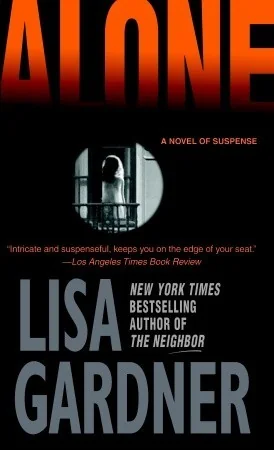
Chapter One
After a difficult fifteen-hour shift on Interstate 93, Massachusetts State Trooper Bobby Dodge stops at the Boston Beer Garden for Coke and nachos rather than go home. He sees news of an unrelated police standoff in Revere. When his tactical-team pager activates, he leaves immediately.
Catherine Rose Gagnon remembers being abducted while walking home from school on October 22, 1980, by a man using a lost-dog pretext. She survived twenty-eight days in a cramped underground enclosure before hunters found her on November 18. The press called her the Thanksgiving Miracle. Catherine identified Richard Umbrio, who was convicted and sentenced to life. Returning home did not end her terror: she hoarded food, avoided sleep, and withdrew from her parents. Her mother Louise later died of cancer in 1994. In November 1998, an anguished Catherine considered cutting her wrists, but a telephone call interrupted her and saved her life. In the present, her young son clings to her as her husband Jimmy angrily comes upstairs. Remembering that earlier lifesaving call, Catherine phones 911 and says she thinks Jimmy has a gun.
Key Events
- After a fifteen-hour shift, Bobby receives a STOP-team call while at the Boston Beer Garden.
- On October 22, 1980, Catherine was abducted and confined underground for twenty-eight days; hunters rescued her on November 18.
- Catherine identified Richard Umbrio, who was convicted and sentenced to life, but struggled for years afterward.
- A telephone call interrupted Catherine's suicidal crisis in November 1998.
- With Jimmy threatening her and their son in the present, Catherine calls 911 because she believes he is armed.
Characters Appearing
- Bobby Dodge
- Catherine Rose Gagnon
- Jimmy Gagnon
- Richard Umbrio
Themes
- Effects of childhood trauma
- Isolation and the need for intervention
- Fear within the family
Chapter Two
Rushing to a hostage situation in Back Bay, Boston, Bobby Dodge, a member of the Massachusetts State Police Special Tactics and Operations (STOP) Team, finds the scene more complex than anticipated. The area is already cordoned off with police presence, and media vans add to the chaos. At the command center, Lieutenant Jachrimo, the Boston Police Department's incident commander, briefs Bobby on the domestic barricade involving Jimmy Gagnon, who is believed to be holding his wife, Catherine, and their child hostage. The initial 911 call from Catherine was cut short, and subsequent reports of gunfire have heightened the tension. Bobby learns that the Gagnons have a history of domestic disputes, but this is the first time a firearm has been involved.
Tasked with establishing a perimeter and gathering intelligence, Bobby selects a nearby brownstone to set up his sniper position. A resident named George Harlow eagerly assists him. Bobby sets up his equipment, focusing on the illuminated fourth-floor balcony of the Gagnon residence. With his gear ready, Bobby reports in as Sniper One and begins to monitor the situation closely, aware that the next few moments could be crucial.
Key Events
- Bobby Dodge arrives at the hostage situation in Back Bay.
- Lieutenant Jachrimo briefs Bobby on the details of the domestic barricade.
- Bobby sets up his sniper position in a nearby brownstone.
- Bobby begins monitoring the Gagnon residence, preparing for potential action.
Characters Appearing
- Lieutenant Jachrimo
- George Harlow
Themes
- Tactical precision and preparation
- The high stakes of domestic violence crises
- The psychological toll of hostage situations
Chapter Three
From George Harlow's fourth-floor bedroom across the street, Massachusetts State Police sniper Bobby Dodge maps the windows and French doors of the Gagnons' top-floor bedroom for the tactical team. He initially sees only a male figure and cannot locate the man's wife or child. Preparing his rifle and recording his setup, Bobby tries to remain detached while monitoring the man's increasingly aggressive stance.
When the man moves, Bobby sees what appears to be a nine-millimeter pistol. He then identifies Catherine, crouched behind a large bed with a frightened small child pressed against her. Bobby reports the weapon and the occupants to Lieutenant Jachrimo. The man screams at Catherine, points his gun at her head, takes the boy from her arms, and shoves him away. Catherine refuses to move. When Jimmy Gagnon returns his attention to her, smiles, and appears to tighten his finger on the trigger, Bobby fires through the French doors and kills him. The chapter does not establish that Jimmy discharged his weapon at that moment; Bobby acts on what he perceives as an imminent threat. Catherine shields the child from the body, looks toward Bobby's position, and silently mouths her thanks. Bobby realizes the consequences of having taken a life and waits for the responding officers.
Key Events
- Bobby establishes his observation coordinates and sniper position across from the Gagnons' bedroom.
- He observes Jimmy holding a pistol and locates Catherine and the child behind the bed.
- Jimmy points his gun at Catherine, separates the child from her, and appears to tighten his trigger finger.
- Bobby shoots Jimmy based on his perception of immediate danger, without confirmation that Jimmy has fired.
- Catherine protects the child from the scene and silently thanks Bobby.
Themes
- The tension and decision-making in high-stakes situations
- The psychological impact of violence and trauma
- The role of law enforcement in crisis management
Chapter Four
After the entry team confirms Jimmy Gagnon's death, the scene passes to the Suffolk County district attorney's investigators. Bobby's rifle is collected, fellow troopers are sequestered as witnesses, and Bobby waits in a patrol car. Lieutenant John Bruni and Employee Assistance Unit officers explain his right to counsel, the investigation, and his paid administrative leave. Bobby becomes physically sick as he absorbs what he has done, while worrying about public judgment and his career.
Investigators question Bobby from the early morning until after sunrise. He carefully describes what he saw rather than relying on the occupants' presumed identities. The investigators ask whether a commanding officer authorized him to use deadly force (he was not authorized) and whether he actually saw Jimmy fire (he cannot say he did). Bobby insists he perceived a direct and immediate threat when Jimmy aimed at Catherine's head and moved his finger on the trigger. Their repeated skeptical questioning leaves him unsettled. He then goes to his girlfriend Susan, a Boston Symphony Orchestra cellist, but cannot explain his distress. Their urgent physical encounter offers no relief: Bobby remains haunted by the mother and child who witnessed Jimmy's death.
Key Events
- The DA takes over the shooting investigation and impounds Bobby's rifle.
- Bruni and the EAU explain Bobby's rights and paid administrative leave.
- In questioning, Bobby acknowledges he had no express authorization to shoot and cannot confirm Jimmy discharged his weapon.
- Bobby explains why he believed Catherine was in immediate danger.
- Bobby seeks intimacy with Susan but remains psychologically distressed.
Characters Appearing
- Lieutenant John Bruni
- Patrick Loftus
- Susan
Themes
- The personal and professional consequences of using lethal force
- The contrast between different worlds (police vs. civilian)
- The struggle to cope with trauma and guilt
Chapter Five
Psychiatrist Dr. Elizabeth Lane, who consults for the Massachusetts State Police, is spending another lonely holiday season in Boston when Bobby Dodge arrives at her office without an appointment. The shooting has made the newspaper, whose headline identifies Jimmy as a judge's son. Elizabeth agrees to meet Bobby and explains that, because she works for the state police, her clinical conclusions may be reported to the department even though she does not ordinarily disclose his specific statements.
Bobby insists the shooting was justified and resists discussing his childhood. Elizabeth learns that his father is Lawrence Dodge, his older brother is George, and his mother left when he was young. She notices his defensiveness but does not claim to know the cause. Bobby has barely eaten or slept since the shooting. Elizabeth urges food, rest, moderate exercise, and communication with Susan, and schedules a follow-up for Monday. At the end Bobby admits anger at Jimmy for forcing the situation and asks whether it is unusual that a wife would thank the officer who killed her husband. Elizabeth says the reaction is less common but not necessarily evidence of anything. After he leaves, she reluctantly telephones an unnamed man, offers condolences, and says they need to talk; the call's recipient and purpose are not yet established.
Key Events
- Elizabeth Lane sees Bobby after his fatal shooting becomes front-page news.
- Elizabeth explains that her work for the state police limits the confidentiality of their sessions.
- Bobby reveals limited family history and admits anger over Jimmy and unease about Catherine's gratitude.
- Elizabeth gives Bobby immediate coping instructions and arranges another appointment.
- Elizabeth makes a confidential-sounding condolence call whose recipient is not identified in this chapter.
Characters Appearing
- Dr. Elizabeth Lane
- Lawrence Dodge
- George Chandler Dodge
Themes
- Post-shooting stress and denial
- Clinical confidentiality and conflicting obligations
- Family abandonment
Chapter Six
Bobby's relationship with Susan has abruptly ended: after waking in her bed following the shooting, he quietly packed his belongings and left without saying goodbye. He conceals this from Dr. Lane. At the L Street Tavern, Boston police officers Walter Jensen and Donny offer him drinks and congratulate him. They describe repeated domestic-dispute calls at the Gagnon home, including property damage and punching holes in walls, but admit that they never personally observed Jimmy beating Catherine. Although Bobby usually drinks Coke, he accepts multiple beers and becomes intoxicated.
Lieutenant John Bruni, not Lieutenant Jachrimo, pulls Bobby out of the tavern before arriving television crews can film him drinking. Bruni warns that Judge James Gagnon and his wife Maryanne are pursuing a personal legal action: Maryanne has requested a clerk-magistrate probable-cause hearing that could lead to criminal charges against Bobby, separate from the DA's investigation. Bobby is alarmed that the union's ordinary legal representation will not cover this proceeding. During the conversation he develops acute breathing distress and bitterly blames Catherine before recovering. Bruni then reveals the Gagnons' central allegation: they claim Catherine, not Jimmy, was abusing Nathan, and that Jimmy's threats against her were an attempt to protect their son. The chapter presents this as an accusation in court papers, not an established fact.
Key Events
- Bobby leaves Susan's apartment and privately regards the relationship as over.
- At the L Street Tavern, colleagues recount previous Gagnon disputes without claiming to have witnessed physical assaults.
- Bruni removes an intoxicated Bobby before media crews arrive.
- Bruni explains Maryanne Gagnon's separate clerk-magistrate petition seeking potential criminal charges against Bobby.
- Bruni reveals the Gagnon family's allegation that Catherine abused Nathan, which they use to defend Jimmy's conduct.
Characters Appearing
- Walter Jensen
- Donny
- Maryanne Gagnon
- Judge James Gagnon
Themes
- Professional consequences and media exposure
- Danger of unverified family allegations
- Trauma, anger, and drinking
Chapter Seven
Four-year-old Nathan is vomiting, underweight, and frightened when Jimmy's parents, Judge James Gagnon and Maryanne, visit the day after their son's death. Catherine refuses to leave Nathan alone with them or let them take him home; she fears their influence over the newest nanny, Prudence Walker. James accuses her of engineering Jimmy's death. Catherine remembers her postpartum panic, Jimmy's decision to hire a nanny, her painful distance from Nathan, and the succession of caregivers after she fired the first nanny when he became more attached to her than to his mother. She also remembers Jimmy's infidelities, violence against her, and sexual assault after he discovered letters from her lover. Despite the abuse, she grieves aspects of their marriage.
Nathan suffers another severe bout of pancreatitis and is rushed to intensive care. Dr. Tony Rocco says his condition also includes malnutrition, an enlarged liver, and recurrent illness, and emphasizes how little weight Nathan has gained. The head of Pediatrics has ordered Rocco off Nathan's case, and Dr. Iorfino will take over. Catherine suspects, without direct confirmation, that Judge Gagnon arranged the change. While Nathan remains in the ICU, a process server gives Catherine court papers. The subsequent custody claim by James and Maryanne threatens to separate her from her son.
Key Events
- James and Maryanne Gagnon scrutinize the seriously ill Nathan and James threatens Catherine.
- Catherine recalls her postpartum distress, Nathan's nannies, and Jimmy's abusive and unfaithful conduct.
- Nathan suffers an acute pancreatitis episode requiring intensive hospital treatment.
- Dr. Rocco tells Catherine he has been directed to transfer Nathan's care to Dr. Iorfino.
- A process server serves Catherine with legal papers while Nathan is hospitalized.
Characters Appearing
- Prudence Walker
- Dr. Tony Rocco
- Dr. Iorfino
- James Gagnon
- Maryanne Gagnon
Themes
- Complicated caregiving and maternal attachment
- Domestic and sexual violence
- Uncertain causes of childhood illness
Chapter Eight
Bobby wakes up to a phone call from Catherine Gagnon, who thanks him for saving her life but also mentions the ongoing legal troubles. Despite his reluctance to engage, she convinces him to meet her at the Isabella Stewart Gardner Museum, suggesting they share a common enemy. At the museum, Catherine reveals her complicated past with Jimmy, describing him as initially charming but later abusive, and explains that Jimmy's father, a powerful judge, often interfered with police investigations.
Catherine discloses that Jimmy's wealth was tied up in trusts controlled by his father, and now that Jimmy is dead, the money will go to Nathan, her son, in a trust. However, James and Maryanne are suing her for custody of Nathan, claiming she is harming him. She pleads with Bobby to help her, arguing that if she is found guilty of abusing Nathan, it will undermine the justification for Bobby's shooting of Jimmy. Bobby is visibly affected by her proximity and her emotional appeal, though he remains cautious.
Feeling the weight of the conversation, Bobby heads out for a run to clear his head, reflecting on the darkness within himself and the complexities of the situation. He contacts a hospital to check on Nathan's condition, learning that the boy is in the ICU with serious but stable pancreatitis and has had two broken bones in the past year. Concerned, Bobby decides to investigate further, snapping the yellow pages shut and heading for the shower, determined to speak with Dr. Rocco.
Key Events
- Bobby receives a call from Catherine Gagnon, arranging a secret meeting.
- Catherine reveals her abusive relationship with Jimmy and the legal battles with her in-laws.
- Bobby learns about Nathan's medical condition and history of injuries.
- Bobby decides to investigate further, contacting the hospital and planning to speak with Dr. Rocco.
Themes
- Abuse and manipulation
- Legal battles and custody disputes
- Trust and betrayal
Chapter Nine
Bobby's father, Lawrence Dodge, calls while Bobby is heading into Boston. Known to many fellow officers as Pop, Lawrence is a retired officer and custom pistolsmith. Bobby admits that killing Jimmy has disturbed him, particularly because Nathan witnessed it, and that he got drunk the previous night. His father, who has his own history with alcohol, asks him to visit and to reconnect with his brother George, though the family remains emotionally distant.
At Greater Boston Pediatrics, Bobby interviews Nathan's former doctor, Tony Rocco. Rocco explains that the four-year-old has 'failure to thrive': extreme smallness, delayed milestones, vomiting, malnutrition, low phosphate, brittle bones, and recurring pancreatitis. Rocco says Nathan's two fractures are consistent with rickets, not evidence that an adult broke his bones. Numerous tests have not revealed the underlying cause. Rocco acknowledges an affair with Catherine and says Jimmy physically abused her. When Jimmy discovered their relationship six months earlier, a private investigator began examining whether Catherine might be starving Nathan. Rocco cannot medically rule out food tampering or withholding but does not think Catherine is likely to be abusing him. After the affair ended, Jimmy's inquiries apparently stopped. Rocco says Dr. Gerritsen, head of Pediatrics, directed him to withdraw and transfer Nathan to Dr. Iorfino, a geneticist. Rocco hints that this particular specialist may discover something the family has overlooked.
Key Events
- Bobby admits to his father that the shooting and his drinking have shaken him.
- Rocco describes Nathan's documented failure to thrive, pancreatitis, rickets, brittle bones, and inconclusive testing.
- Rocco explains that Nathan's fractures do not, in his opinion, prove inflicted injury.
- Rocco admits his affair with Catherine and recounts a previous private investigation of suspected mistreatment.
- Rocco identifies Dr. Iorfino as a geneticist and expresses hope that the referral will clarify Nathan's condition.
Characters Appearing
- Dr. Anthony 'Tony' Rocco
- Lawrence 'Pop' Dodge
- Dr. Gerritsen
Themes
- Medical evidence versus accusations
- Parental trauma and responsibility
- Professional and personal conflicts
Chapter Ten
After Bobby leaves the pediatrician's office, he discovers that he is being followed by Harris Reed, a private investigator employed formally by Maryanne Gagnon and working for the Gagnon family. Reed knows about Bobby's meeting with Catherine. He recounts her childhood abduction and her marriage to Jimmy, but presents an adversarial version in which Catherine exploited her trauma and appearance to gain wealth and control. Bobby challenges the investigator rather than accepting his story as evidence.
According to Harris, Catherine suffered a serious breakdown after Nathan's birth, and Jimmy once discovered her standing over the infant's crib holding a pillow. He alleges that Nathan's illnesses coincided with Jimmy's attempts to leave Catherine, and that she manipulated the boy's condition to force Jimmy to stay. Harris acknowledges that these are disputed allegations and offers no direct confirmation of the causal claims. He says Jimmy discovered Catherine's affair with Dr. Rocco six months earlier, hired Reed to investigate her and Nathan, and formally filed for divorce on the Tuesday before Thursday's fatal standoff. Harris suggests Catherine deliberately provoked the confrontation after learning about the divorce and that Bobby's shooting furthered her objectives. Bobby is unsettled by the timing but recognizes that Reed's interpretation remains a theory advanced by the family paying him.
Key Events
- Harris Reed confronts Bobby and identifies his role as the Gagnons' private investigator.
- Harris presents contested claims about Catherine's postpartum conduct and Nathan's illnesses.
- Harris says Jimmy began planning a divorce after learning of Catherine's affair.
- Harris claims Jimmy formally filed for divorce two days before the shooting.
- Harris insinuates Catherine engineered the standoff, but supplies accusation and inference rather than proof.
Characters Appearing
- Harris Reed
Themes
- Adversarial information and unreliable witnesses
- Child welfare allegations
- Divorce, power, and surveillance
Chapter Eleven
Mr. Bosu sits at a coffee bar in Faneuil Hall, his disappointment palpable as he sips a double mocha latte that fails to meet his standards. Recently released from prison after nearly twenty-five years, he reflects on the changes to the area and the bitter taste of freedom. Incarcerated for the rape of a young girl, Mr. Bosu was expected to be mellowed by age and time, but he feels a strong urge to commit violence once again.
His mind drifts back to his prison days, where he started in protective custody and later joined a neo-Nazi group for protection. Through acts of violence and manipulation, he rose to power, orchestrating a brutal attack in the prison cafeteria. Despite the challenges, he built a reputation as a feared figure, even from solitary confinement. Prison taught him the value of patience and the intricacies of the legal system.
Now free, Mr. Bosu has a clear plan: to use his skills and connections to make a significant amount of money by destroying lives. A list of chores provided by a mysterious benefactor fuels his determination to avoid repeating the mistake that landed him in prison: letting his victim live. The chapter ends with Mr. Bosu crushing his coffee cup and rising from the table, ready to begin his new life of calculated destruction.
Key Events
- Mr. Bosu reflects on his recent release from prison and his urge to commit violence.
- Mr. Bosu recalls his experiences and rise to power in prison.
- Mr. Bosu outlines his plan to make money by destroying lives using his prison-learned skills.
- Mr. Bosu crushes his coffee cup and prepares to start his new life.
Characters Appearing
- Mr. Bosu
Themes
- Predatory violence
- Prison power structures and manipulation
- Planning further crimes after release
Chapter Twelve
Catherine visits her father in the unchanged neighborhood where she was abducted as a child, hoping he will testify in support of her custody of Nathan. He acknowledges that Jimmy hit her, but questions why she remained with him. When Catherine explains that the Gagnons accuse her of intentionally making Nathan ill, her father asks whether the allegation is true. She reveals that she overheard Jimmy discussing a divorce that would leave her with neither Nathan nor money.
Her father recalls videos of Catherine laughing before the abduction and laments that her personality changed afterward. Believing the Gagnons can better care for the sick child, he refuses to support Catherine and urges her to let them have Nathan. Catherine is devastated and nearly loses control of her anger, but leaves without attacking him. While driving away she finally notices a red-lipstick message, 'Boo!', written on her car's rearview mirror. Its writer is unidentified at this point, and the apparent intrusion suggests she is being watched or threatened.
Key Events
- Catherine asks her father to support her in the Gagnon custody dispute.
- He questions whether she may be harming Nathan and recommends the grandparents take custody.
- Catherine recalls overhearing Jimmy's divorce preparations and the prospect of losing her son and financial security.
- Her father mourns the changes following her childhood kidnapping, and their meeting ends in estrangement.
- Catherine discovers 'Boo!' written with her lipstick on her rearview mirror.
Themes
- Consequences of childhood trauma
- Family distrust and parental grief
- Custody and economic dependence
Chapter Thirteen
After ignoring Lieutenant Bruni's invitation to dinner, Bobby recognizes that he is close to drinking again. He calls Dr. Elizabeth Lane for an unscheduled Saturday session and admits he broke a nearly ten-year abstinence pledge made with his father after Lawrence crashed his truck while drunk. Bobby has been haunted by Jimmy's death and fears another relapse. Elizabeth offers support, but also discloses a professional conflict: six months earlier, Judge Gagnon consulted her briefly about Munchausen syndrome by proxy, asking whether Catherine might be fabricating or inducing Nathan's illness. Elizabeth did not diagnose Catherine. She said she lacked the appropriate expertise and referred the judge to another professional.
Their discussion turns to Bobby's reasons for becoming a state trooper and his specialized work as a sniper-observer, for which he discovered an unexpected aptitude. Elizabeth also challenges his explanation for leaving Susan, suggesting that Bobby, not Susan, is horrified by what he did, and asks whether he identifies with the child who watched his father die. Bobby refuses to discuss the possibility. Knowing Dr. Rocco has no firm explanation for Nathan's condition, he becomes increasingly determined to investigate Catherine. He threatens to hold her responsible if she is harming Nathan or manipulated the shooting. Elizabeth cautions that Bobby does not know what happened in the Gagnon home and is not responsible for the child, but he leaves before hearing her final warning.
Key Events
- Bobby seeks emergency counseling rather than resuming drinking.
- He reveals the sobriety pact with his father after a serious drunk-driving accident.
- Elizabeth discloses a consultation six months earlier in which Judge Gagnon raised Munchausen syndrome by proxy without any diagnosis of Catherine.
- Elizabeth questions Bobby about his police career, breakup with Susan, and identification with Nathan.
- Bobby resolves to investigate Catherine if the abuse allegations or manipulation of the standoff prove true.
Themes
- Isolation and Guilt
- Ethical Dilemmas in Professional Practice
- The Impact of Trauma on Decision-Making
Chapter Fourteen
Catherine visits Nathan in the hospital but cannot persuade the on-call doctor to discharge him. The recent 'Boo!' message leaves her fearful that someone can reach her or the boy. Returning home, she checks the townhouse, turns on lights, and enlists Prudence to push a bureau in front of the shattered balcony door and nail shut the former master bedroom. She tells the nanny she is only preventing tabloid intrusions and considers taking Nathan away on vacation if he recovers.
Dr. Tony Rocco, leaving the hospital late that night, reflects on his troubled marriage, his affair with Catherine, and his frustration that the hospital administration removed him from Nathan's case. He resolves to visit Catherine and offer renewed support. As he unlocks his car in the garage, he hears footsteps behind him; the narrative cuts away before showing what happens to him. In a separate scene, an unidentified man slips into Nathan's dark hospital room. The drugged child opens his eyes and whispers 'Daddy.' The child's perception does not identify the visitor as Jimmy or establish who is actually present.
Key Events
- Catherine cannot obtain Nathan's release from the hospital.
- Fearing an intruder, she and Prudence secure the damaged bedroom and plan precautions.
- Rocco decides to go to Catherine but hears someone approaching in the parking garage.
- An unidentified man approaches Nathan's hospital bed, and Nathan whispers 'Daddy'.
Themes
- Insecurity after threatening messages
- Protection of a vulnerable child
- Hidden intrusions and uncertain identity
Chapter Fifteen
At two in the morning, private investigator Harris Reed alerts Bobby to the murder of Dr. Tony Rocco in the hospital parking garage. Bobby visits the scene and briefly speaks with Detective D. D. Warren of Boston Homicide. D. D. and Bobby are former romantic partners who remained friends, not police colleagues on the same force. Because ADA Rick Copley is overseeing the sensitive investigation, D. D. directs Bobby to leave before Copley notices him. Crime-scene personnel also notice what appears to be lipstick.
D. D. later meets Bobby at Bogey's diner. Rocco was attacked from behind and killed with a knife; the killer then sexually mutilated his body, concealing the severed part in the car's glove compartment. Bloody surgical scrubs and shoe coverings found in a hospital dumpster suggest deliberate efforts to prevent trace evidence. D. D. considers a jealous spouse plausible, while Copley suspects Catherine may have used or silenced Rocco in a scheme relating to Jimmy's death. Neither theory is proved. A message, 'Boo,' was written in red lipstick on Rocco's car's rear window, echoing the threatening message Catherine found. D. D. warns Bobby that witnesses saw him meeting Catherine at the Gardner Museum and that his involvement may endanger him. When she asks whether he hesitated before shooting Jimmy, Bobby says he felt nothing, a statement distinct from his later emotional distress.
Key Events
- Harris alerts Bobby to Rocco's murder; Bobby briefly consults former girlfriend D. D. Warren at the crime scene.
- D. D. describes a knife attack, postmortem sexual mutilation, and scrubs used to limit forensic evidence.
- D. D. distinguishes her jealous-spouse suspicion from Copley's unproved theory implicating Catherine.
- Investigators find a red-lipstick 'Boo' message on Rocco's rear car window.
- D. D. warns Bobby about his contact with Catherine, and he admits he did not hesitate while taking the shot.
Characters Appearing
- Detective D. D. Warren
- Assistant District Attorney Rick Copley
Themes
- Homicide investigation and competing hypotheses
- Professional conflicts and compromised appearances
- Concealed forensic evidence
Chapter Sixteen
After the Rocco investigation, Harris Reed brings Bobby to the Gagnons' penthouse at the Hotel LeRoux. On the way Harris recounts the family's history, including the death of James and Maryanne's first infant son, James Jr., and the birth of Jimmy two years later. Maryanne is visibly grief-stricken, but Judge James Gagnon questions Bobby methodically about the shooting. Bobby states that he never saw Jimmy discharge his pistol, that he cannot determine whether it was loaded or its safety engaged, and that he fired because Jimmy appeared about to shoot Catherine. The judge challenges this perception and brings up private material Harris has gathered about Bobby's childhood, an implied attempt to undermine his reliability.
James demands that Bobby blame Catherine for the lethal confrontation, even suggesting that Bobby falsely claim he heard her threaten Jimmy and Nathan. In return, he offers to end the clerk-magistrate action and suppress damaging background research. Bobby rejects the proposed false testimony, despite James's threat to ruin him legally and financially. Maryanne describes her son's charitable acts and his annual Mother's Day rose; Bobby recognizes her grief without accepting her husband's version of events. As Bobby leaves, James consoles her by promising that they will soon have Nathan.
Key Events
- Harris brings Bobby to the Hotel LeRoux to face James and Maryanne Gagnon.
- James cross-examines Bobby about facts he could and could not observe through his sniper scope.
- James uses Harris's personal background investigation to pressure Bobby.
- James offers to withdraw the threatened case if Bobby falsely shifts blame to Catherine.
- Bobby refuses; the Gagnons make clear their determination to obtain Nathan.
Themes
- Coercion and abuse of legal power
- Guilt, grief, and conflicting loyalties
- Limitations of eyewitness perception
Chapter Seventeen
On Sunday, Catherine is exhausted by nightmares and her fear of the mysterious lipstick threat. Preparing to bring Nathan home from the hospital, she finds that her Taser is missing from the gun safe, apparently taken during the police search. Before she can leave, ADA Rick Copley arrives with Boston homicide detective D. D. Warren and DA investigator Rob Casella. They interrogate her about the Thursday confrontation, the nanny's absence, Jimmy's pending divorce, and a security camera in the master bedroom. Catherine says the camera did not record because the automatic shutdown occurred at ten p.m. when the incorrectly set panel clock read midnight. The investigators have not independently verified this explanation.
Catherine says Jimmy was drunk, accused her of being a threat to Nathan, and frightened both of them with a gun. D. D. presses on Catherine's former affair with Dr. Rocco and her continuing reliance on him as Nathan's doctor. Catherine is genuinely shocked when D. D. tells her Rocco was murdered in the hospital parking garage, then frightened when D. D. says 'Boo.' As the investigators leave, Copley reveals there was no gunshot residue on Jimmy's hands or clothing. This raises questions about the reported shots before Bobby's arrival; it does not identify a different shooter or by itself prove the whole incident was staged. Copley warns Catherine that he is looking for one decisive mistake.
Key Events
- Catherine finds her protective Taser missing and remains frightened for Nathan.
- Copley, D. D., and Casella question Catherine about missing bedroom surveillance footage and the clock settings.
- They scrutinize the divorce, her affair with Rocco, and her account of Jimmy's gun.
- Catherine learns Rocco has been murdered and reacts with shock to the 'Boo' reference.
- Copley reports no gunshot residue on Jimmy, raising an unresolved inconsistency about the alleged shots.
Characters Appearing
- Investigator Rob Casella
Themes
- Competing interpretations of forensic evidence
- Traumatic fear and loss of security
- Witness credibility and conflicting accounts
Chapter Eighteen
On Sunday, the recently paroled killer who calls himself Mr. Bosu walks through Boston and remembers his earlier predation. As a teenager, he lured a child away and killed her, disposing of the body in a river; he later abducted another schoolgirl who survived to identify him at trial. He has changed his appearance with new clothes and a haircut supplied with money from an unidentified benefactor. Watching children leave church, he is strongly tempted to abduct an unattended girl, but restrains himself by recalling the violence of the preceding night.
His release and killings are organized as a paid arrangement. A driver he recognizes as Robinson collected him on his release from prison, delivering cash, instructions, a prepaid telephone, and a list of targets with prices. Mr. Bosu has already received ten thousand dollars for a killing, and refuses the benefactor's proposal to use traceable bank transfers. He is not simply seeking revenge: he intends to make a lucrative career of killing. He ends this chapter looking for a puppy, a decision that will help him appear ordinary while pursuing his assignments.
Key Events
- Mr. Bosu recalls an earlier abducted girl whom he killed before his better-known victim survived.
- He nearly approaches an unattended child outside a Boston church but suppresses the impulse.
- His unknown employer arranged parole, a driver named Robinson, cash, a telephone, and a priced target list.
- Mr. Bosu confirms he has been paid ten thousand dollars for a recent killing and will accept cash only.
- He decides to buy a puppy while continuing his assignments.
Characters Appearing
- Robinson
Themes
- Predatory violence and calculated restraint
- Paid killing and anonymous sponsorship
- Concealment through a respectable appearance
Chapter Nineteen
Bobby Dodge visits Harvey Jones, a small-town lawyer, to discuss the clerk-magistrate hearing initiated by James Gagnon. Harvey explains the process, emphasizing the challenges Bobby faces due to the political clout of Judge Gagnon and the lack of independent corroboration of Bobby’s actions. Harvey suggests strategies to bolster Bobby’s credibility, such as highlighting his training and experience, but warns that the Gagnon family will likely dig into Bobby’s personal life to discredit him. Bobby is deeply concerned about his father potentially being called to testify, a prospect he strongly opposes. Harvey acknowledges the risk and the potential consequences if Bobby’s father is subpoenaed. With a heavy heart, Bobby writes a substantial check for a retainer, fully aware that the legal battle ahead will be both prolonged and costly. He leaves the office feeling overwhelmed and uncertain about his chances of winning.
Later, Bobby visits the Massachusetts Rifle Association’s shooting range to practice. His shooting is unusually poor, and he feels a mix of sadness and anger. He watches J.T. Dillon, a renowned shooter, who provides some advice and shares his own experiences with violence and its aftermath. Dillon’s story about his family and his wife, Tess, who killed Jim Beckett, offers Bobby a glimmer of hope and a reminder of the importance of finding an anchor in life.
Key Events
- Bobby consults with Harvey Jones about the clerk-magistrate hearing.
- Harvey outlines the legal challenges and strategies for Bobby’s defense.
- Bobby is concerned about his father being called to testify.
- Bobby writes a substantial check for a retainer, understanding the cost and duration of the legal battle.
- Bobby practices shooting at the Massachusetts Rifle Association, performing poorly.
- Bobby talks to J.T. Dillon, who shares his experiences and advice.
Characters Appearing
- Harvey Jones
- J.T. Dillon
Themes
- Navigating legal challenges and political influence
- Personal and professional consequences of violence
- Finding purpose and anchoring oneself
Chapter Twenty
Catherine arrives at the hospital to find James and Maryanne Gagnon trying to persuade Nurse Brandi to discharge Nathan into their care. Catherine interrupts and insists on taking the recovering child home. Nathan asks where his nanny Prudence is and confirms that his father was armed and has died. James returns with Dr. Gerritsen, head of Pediatrics, and tries to use his influence to remove Nathan from Catherine. Gerritsen admits the history of illness warrants concern, but distinguishes suspicion from proof and says Catherine remains the child's legal guardian. He therefore cannot legally stop the discharge or transfer Nathan to the grandparents.
Nathan hesitates outside the townhouse where Jimmy died, so Catherine takes him to the Public Garden rather than forcing him inside. They feed ducks and sit watching other children play. Catherine questions Nathan about Thursday night and tells him that when officials question him, he need only say Daddy had a gun and they were afraid. Nathan repeats this simplified account. The exchange is potentially significant preparation of a child witness, not an independently verified or complete reconstruction of the shooting. Nathan asks whether Catherine and Prudence will keep coming home to him; Catherine promises to try, and they briefly share physical comfort.
Key Events
- James and Maryanne attempt to obtain Nathan's discharge before Catherine arrives.
- Dr. Gerritsen finds no basis to override Catherine's current legal guardianship despite the grandparents' suspicions.
- Catherine and Nathan avoid the townhouse and visit the Public Garden.
- Catherine instructs Nathan what to tell investigators about Jimmy's gun and their fear, without exploring what else he recalls.
- Nathan expresses fear of losing Catherine and Prudence as he has lost his father.
Characters Appearing
- Nurse Brandi
- Dr. Gerritsen
Themes
- Child custody and limits of institutional authority
- Coaching and reliability of a child's account
- A child's bereavement and separation anxiety
Chapter Twenty-one
ADA Rick Copley, Detective D. D. Warren, and Investigator Casella question Bobby at his home. Susan Abrahms, Bobby's former girlfriend and a symphony cellist, recalled that Bobby briefly met Jimmy and Catherine Gagnon at a concert event eight or nine months earlier. Catherine asked him about his SWAT work, and Bobby expressed irritation at Jimmy's attention to Susan. Bobby initially cannot recall the meeting and denies any prior intimate arrangement with Catherine.
Investigators also report that Catherine fired housekeeper Marie Gonzalez after she fed the hungry Nathan tuna, and describe unusual diets, supplementary treatments, and requests to refrigerate soiled diapers. These accounts increase suspicion but do not independently prove abuse. D. D. says the security company had reset the master bedroom camera controls on Tuesday at Jimmy's request, so only Jimmy should have known the new code. Copley theorizes that Catherine moved the control-panel clock ahead two hours, causing an automatic shutdown when the system believed midnight had arrived. The precise sequence and culprit remain investigative conclusions, not demonstrated fact. This discussion finally triggers Bobby's memory of a Mardi Gras symphony party where Catherine asked what kinds of incidents prompted SWAT deployments, and Bobby explained that armed domestic barricades were common calls. The possibility that his answer helped her plan Thursday unsettles him. Copley also seeks Bobby's whereabouts during Rocco's murder; Bobby angrily throws them out.
Key Events
- Susan's account establishes that Bobby and the Gagnons did briefly meet at a prior symphony event.
- Investigators cite Nathan's feeding restrictions and a fired housekeeper as possible evidence of neglect or manipulation.
- D. D. explains the changed security code and Copley's theory about the camera's incorrect clock.
- Bobby recalls telling Catherine that armed domestic disputes and reported gunfire commonly bring SWAT teams.
- Copley questions Bobby's potential involvement in Rocco's murder, and Bobby ends the interview.
Themes
- Fallibility of memory and investigative inference
- Potential manipulation of emergency response
- Medical restrictions versus abuse allegations
Chapter Twenty-two
Robinson, the intermediary between Mr. Bosu and an unidentified employer, takes an angry call about the first murder. The caller wanted it to resemble an accident or random street crime, not a conspicuously mutilated body. Robinson reports that Bosu now demands thirty thousand dollars instead of ten thousand for the next assignment and claims to know where the employer lives. The caller insists on the old price and threatens to send Bosu back to prison; Robinson warns that he cannot control or safely threaten the killer. The employer's identity remains concealed.
Bosu purchases a beagle-terrier puppy, eventually favoring the name Trickster, and walks him around Boston. A wealthy-looking woman is attracted to the well-dressed man and his dog, underscoring how effectively he can appear harmless. Bosu then sits outside a residential building apparently associated with his next target. Remembering his childhood dog Popeye, he also recalls sabotaging the brakes of the car belonging to a woman whose vehicle killed the dog, causing a serious crash when he was twelve. He waits calmly with Trickster and his paid hit list.
Key Events
- Robinson's anonymous caller complains that Bosu's first paid murder was not disguised as an accident.
- Bosu raises his price to thirty thousand dollars and threatens the employer's security.
- Robinson warns the employer that the murderer may be impossible to control.
- Bosu adopts a puppy he starts calling Trickster and uses his appearance to attract strangers' trust.
- Bosu surveils an apartment and recalls sabotaging the vehicle of a woman who killed his childhood dog.
Themes
- Violence for hire and loss of employer control
- Respectable appearances as concealment
- Early development of retaliatory violence
Chapter Twenty-three
Bobby runs twelve miles while reflecting on his mother, who left when he was six. His alcoholic and sometimes violent father subsequently struggled to raise Bobby and his brother George; one confrontation between George and their father ended in an emergency-room visit. Although Bobby and his father later changed, the childhood experience remains central to Bobby's fear of abandonment and to his reaction to Nathan witnessing Jimmy's death. He is no longer certain whether he can trust his own judgment in shooting Jimmy and fears he may be a murderer.
Bobby contacts Susan and meets her in a coffee shop. She is furious that he abandoned their two-year relationship without a conversation and then appeared primarily interested in what she told investigators. Susan confirms that Bobby encountered the Gagnons once at a Mardi Gras concert function but had seemed much more concerned about Jimmy watching her than about Catherine. Bobby explains his fear that the Gagnons can use money and influence to make him face prison and that he is unwilling to save himself by falsely blaming Catherine. Susan says he habitually withdraws when circumstances become difficult and challenges his assumption that she could not have supported him. The relationship remains broken. Her final question asks what Bobby really witnessed during the shooting, underlining his unresolved uncertainty.
Key Events
- Bobby recalls his mother's departure, his father's drinking and violence, and his brother's estrangement.
- His doubts about the shooting shift toward fear that he himself acted wrongly.
- Susan challenges Bobby's decision to leave her rather than seek support.
- They clarify Bobby's single previous encounter with the Gagnons at a symphony party.
- Bobby says he will not falsely incriminate Catherine to escape prosecution, and Susan questions what he saw that night.
Themes
- Childhood abandonment and family violence
- Self-doubt following fatal force
- Avoidance of intimacy
Chapter Twenty-four
Catherine waits anxiously for Prudence to return while Nathan watches Finding Nemo. When Catherine tells Nathan that Dr. Rocco will be replaced by Dr. Iorfino, the frightened boy spills his soy milk, curses doctors, and accuses his mother of trying to kill him. Instead of striking him, as he appears to expect after watching Jimmy's rages, she asks him to help clean up the spill. They briefly embrace, but Catherine then detects a cold draft and a disturbing odor coming down the stairs.
Bobby receives Catherine's call claiming an intruder and goes to the Gagnon townhouse, although he suspects a pretext to meet him and realizes the personal and legal danger. He parks well away, already thinking about an alibi. He sees what appears to be a hanging figure silhouetted in the fourth-floor window, then finds Catherine and Nathan hiding in the building lobby. He instructs them to seek help if they hear gunshots and searches the house with his own pistol. In the master bedroom, candles surround the body of nanny Prudence Walker, suspended from the rafters near the broken glass doors. The scene appears deliberately arranged, but its cause remains to be determined.
Key Events
- Nathan protests a new medical referral and accuses Catherine of trying to kill him.
- Catherine and Nathan clean spilled milk together before noticing a draft and odor upstairs.
- Bobby responds to Catherine's call despite recognizing the professional risk.
- He finds the mother and child hiding in the lobby and searches the townhouse.
- He discovers Prudence Walker's body hanging amid candles in the master bedroom.
Themes
- Isolation and Paranoia
- Manipulation and Control
- The Impact of Hidden Truths
Chapter Twenty-five
Bobby prepares to report the death of Prudence Walker to the police. A note found near her hanging body claims she was despondent over Jimmy's death and suggests Catherine was involved in his killing. Catherine rejects the note's authenticity and claims James Gagnon arranged for someone to kill Prudence so he could take custody of Nathan. She says Prudence was a lesbian and had no romantic interest in Jimmy, undermining one apparent premise of the note. Bobby initially doubts James needs murder to achieve his legal goals.
Desperate, Catherine attempts to seduce Bobby and then threatens to invent a story that they were longtime lovers who conspired to kill Jimmy. Bobby reveals he examined Prudence's body and found no signs consistent with death by hanging, such as neck injuries or defensive marks. He believes an assailant broke her neck before staging the hanging, so the apparent suicide note is unreliable. Catherine is frightened and admits how much she fears losing Nathan. When Bobby questions the allegations about the child's care, she says Rocco prescribed Nathan's restrictive diet, and the soiled diapers in the refrigerator were medical samples for cystic fibrosis testing. These are Catherine's explanations, not conclusive proof. Bobby insists that Prudence was murdered and that police must investigate.
Key Events
- The apparent suicide note both invokes Jimmy's death and implicates Catherine.
- Catherine accuses James of arranging the death to accelerate Nathan's removal.
- She attempts sexual manipulation, then threatens to falsely incriminate Bobby.
- Bobby identifies staging indicators and concludes Prudence's neck was broken before the hanging.
- Catherine explains the restricted diet and saved stool samples as medically directed.
Themes
- Manipulation and control
- Trauma and its lasting effects
- Desperate measures and psychological warfare
Chapter Twenty-six
D. D. Warren arrives with crime-scene personnel and angrily confronts Bobby for responding privately to Catherine's call, entering an active homicide scene, and telling Catherine that Prudence's hanging was staged. Bobby concedes he expected Catherine to manipulate him, but explains that the shooting has left him desperate for understanding and reassurance. He gives D. D. a detailed account of his arrival, search, and discovery, and describes Catherine's fear that Prudence's note could cost her custody of Nathan.
Bobby reveals that Judge Gagnon offered to abandon the legal proceeding if Bobby falsely testified that Catherine provoked Jimmy. D. D. is disturbed by the pressure but skeptical of Bobby's theory that the judge has hired someone to isolate Catherine by murdering her allies. She questions Catherine separately about Prudence's movements, the security system, and the staged scene. Catherine says she had no knowledge of the candles, rope, ladder, or her nanny's activities during the previous two days, leaving gaps in the timeline. Bobby notes a possible common offender: Rocco was violently overpowered, and Prudence's neck was broken, suggesting a person with considerable physical strength. D. D. warns that Bobby's entanglement with Catherine may destroy his career.
Key Events
- D. D. rebukes Bobby for compromising a murder investigation and disclosing evidence to Catherine.
- Bobby recounts the staged hanging and the judge's proposed exchange of false testimony for legal relief.
- D. D. interviews Catherine about Prudence's schedule, entry, and the materials used to stage the crime.
- Bobby proposes that the same exceptionally strong assailant may have killed Rocco and Prudence.
- D. D. remains unconvinced by Bobby's theory about the judge and fears his continued involvement.
Themes
- Scene contamination and investigative responsibility
- Coercion and competing murder theories
- Isolation of witnesses and allies
Chapter Twenty-seven
At two in the morning, Mr. Bosu takes his puppy Trickster outside his hotel and reflects on killing Prudence Walker earlier that day. He located the nanny outside her apartment and used the dog to start a conversation, pretending to be a parent seeking childcare. Prudence complained about Jimmy's violence and Catherine's rigid treatment of Nathan, but grew suspicious of the stranger. Bosu suddenly grabbed her and snapped her neck; he did not suffocate her or obtain a genuine confession. Forced to improvise, he hid her body, stole a car, and transported her to the Gagnon townhouse.
His anonymous employer and an intermediary monitored when Catherine's house would be empty. Bosu unlocked it with Prudence's key, posed the corpse as a hanging with a forged note, moved the bureau from the broken balcony doors, and lit candles. In the process he recalled his own captivity of Catherine as a child, repeatedly squeezing her throat during her imprisonment and feeling betrayed when rescuers freed her. This narrative links Mr. Bosu to Catherine's former abductor, though the formal name and legal identity must still be verified in later chapters. When the contact announces Catherine and Nathan's return, Bosu quickly makes an additional unexplained alteration in Nathan's room, resets the alarm, and leaves with Trickster. Nathan briefly notices the puppy outside. The precise change to the boy's room is not yet revealed.
Key Events
- Bosu admits approaching Prudence with Trickster while posing as a parent needing childcare.
- After she grows suspicious, he kills her by breaking her neck, then moves her body using a stolen car.
- An accomplice monitors the house; Bosu stages a hanging and forges a suicide note.
- His memories of keeping Catherine captive reveal his long-standing obsession with her.
- Bosu secretly changes something in Nathan's bedroom before leaving just as Catherine and Nathan return.
Themes
- Premeditated attacks and improvised staging
- The offender's past and continuing fixation on Catherine
- Coordinated surveillance and manipulation
Chapter Twenty-eight
Bobby visits Dr. Elizabeth Lane again, badly sleep-deprived, fearful of another drinking relapse, and increasingly agitated about the competing pressures from Judge Gagnon, the prosecutor, his colleagues, and Catherine. Elizabeth questions his decision to keep responding to Catherine's requests when other officers could help. Bobby says he believes Catherine is genuinely threatened despite acknowledging that she can manipulate people. He then reveals his family's suppressed history: his father repeatedly beat his mother and sons; after his mother fled to relatives in Florida, George confronted his father, who stabbed George in the ribs with a knife. George lied about his injuries so Lawrence could avoid prosecution and enter rehabilitation. Bobby watched but, only six or seven years old, did nothing. He has long blamed his mother for leaving him and George with a violent parent.
Elizabeth connects Bobby's identification with Nathan to Catherine's refusal to abandon her child, even when Jimmy pointed a gun at them. She does not resolve whether Catherine is innocent. Bobby is forced to recognize that his childhood abandonment and his desire to protect another boy may be influencing his actions in a case he cannot objectively control.
Key Events
- Bobby seeks urgent help for severe exhaustion, agitation, and renewed desire to drink.
- He admits his father violently attacked his mother and stabbed George when George confronted him.
- Bobby explains how his family concealed the stabbing and Lawrence subsequently sought help.
- Elizabeth connects Bobby's involvement with Catherine to his childhood experience of his mother leaving.
- His desire to help Nathan remains distinct from proof about Catherine's role in Jimmy's death.
Themes
- Post-traumatic stress and impaired judgment
- Displaced blame and family violence
- Identification with an endangered child
Chapter Twenty-nine
After investigators remove Prudence's body, Judge James Gagnon arrives at Catherine's home at three in the morning and tries again to take Nathan to the Hotel LeRoux. Catherine refuses, calls for a uniformed officer to escort James out, and hears him threaten that things will grow worse for her. She then carries her frightened son upstairs to sleep.
Catherine remembers the suicide crisis before her marriage and fills in what happened after the interrupting phone call: a telemarketer's call led her to notice a televised suicide-hotline number. The volunteer who spoke with her for an hour was Jimmy Gagnon. He later located her at the department store where she worked, contrary to the hotline's confidentiality rules, courted her, and only months later confessed how they first connected. Catherine initially saw this as devotion, but subsequently recognized the exploitation of her vulnerability as part of Jimmy's need for control.
In Nathan's room, Catherine finds that every night-light and lamp except the overhead ceiling light has been disabled. When she opens the lit closet, she sees the removed bulbs deliberately arranged to spell 'BOO' on the floor. The act was arranged by the intruder before she returned, and its target is the mother's and son's fear of darkness. Terrified, Catherine flees the townhouse with Nathan.
Key Events
- James again pressures Catherine to give up Nathan and threatens her when she refuses.
- Catherine remembers Jimmy was the suicide-hotline counselor who found and pursued her afterward.
- She reassesses Jimmy's early attention as a form of control over her vulnerable circumstances.
- Nathan's bedroom lights fail, and removed bulbs in the closet spell 'BOO'.
- Catherine flees with Nathan because the intruder has demonstrably entered the child's room.
Themes
- Manipulation through intimate trust
- Control and escalating threats
- Reactivation of childhood captivity fears
Chapter Thirty
Elizabeth Lane questions Bobby's earlier account of his father's drinking. Bobby admits that the DUI crash occurred during one of Lawrence's relapses but that he used it to avoid explaining the more traumatic knife attack on George. Lawrence has worked through Alcoholics Anonymous and wants to acknowledge the abuse, whereas Bobby resists. Elizabeth suggests Bobby displaced his anger at his abusive father onto the mother who left, and that he may have interpreted Catherine's hold on Nathan through his own childhood experience. Bobby finally breaks down while explaining why he fired at Jimmy, even as he remains troubled by what he could not know at the scene.
Meanwhile, Catherine takes Nathan to the Ritz to escape the townhouse. Her credit card has been reported stolen and her bank card no longer works. She suspects James has immobilized all funds held in Jimmy's name to force her surrender. With only a little cash, she is refused a room. She briefly considers giving Nathan to the judge for financial security but cannot do it and telephones an unidentified man begging for shelter.
Elizabeth then presses Bobby to reconsider Catherine's capacity for manipulation and his tendency to seek women who will fight against abandonment. He admits he thinks Catherine may have engineered Jimmy's death and is advised to stop seeing her. Returning home exhausted, Bobby nevertheless worries about Catherine and Nathan, uncertain what he should do.
Key Events
- Bobby explains that his earlier sobriety story hid, rather than disproved, his father's violent history.
- Elizabeth challenges his displacement of blame toward his mother and his emotional investment in Catherine.
- Catherine is refused lodging because her credit and bank access are blocked.
- She requests shelter by telephone rather than handing Nathan to the grandparents.
- Bobby acknowledges Catherine may have provoked the shooting but remains unable to detach emotionally.
Themes
- Trauma-driven patterns of trust and blame
- Financial coercion
- Uncertain responsibility for lethal force
Chapter Thirty-one
Mr. Bosu approaches the home of Assistant District Attorney Rick Copley, a target priced at fifty thousand dollars. To circumvent the alarm and Copley's caution, he cuts his own arm and smears the blood on Trickster, then drives onto the lawn and pretends to have hit the dog. Copley opens the door to help. Bosu attacks him with a knife. Copley resists forcefully, tries to reach a telephone, and retreats through the house, but Bosu traps him in the bathroom and kills him.
Bosu attempts to wash away his own blood, bleach the drains, and obscure shoe and paw prints, recognizing that his DNA is on file. While preparing to leave, he hears a message from D. D. Warren on Copley's answering machine. D. D. expresses growing suspicion of Bobby's involvement with Catherine and asks the prosecutor to call her. Seeing case papers nearby, Bosu realizes why his employer wanted Copley killed and decides to exploit D. D.'s suspicion for the next stage of the scheme. The specific form this manipulation will take is not disclosed in this chapter.
Key Events
- Bosu wounds himself and fakes a vehicular injury to Trickster to gain Copley's trust.
- Copley fights but is stabbed to death in his bathroom.
- The killer attempts to obscure blood traces, prints, and evidence linking his own injuries to the assault.
- Bosu overhears D. D.'s voicemail suggesting Bobby may be implicated in the Gagnon case.
- Bosu uses the prosecutor's documents and the message to devise a further manipulation.
Themes
- Exploitation of compassionate behavior
- Forensic concealment
- Manipulation of investigators
Chapter Thirty-two
On Monday morning Bobby finally sleeps several hours, but the deadline to accept Judge Gagnon's offer is approaching. He decides to confront the family's investigator, Harris Reed, and arranges a meeting.
The intermediary Robinson, a woman named Colleen, becomes alarmed by police activity near the Gagnon residence. She gathers false identification, payment cards, weapons, and records, sets fire to her rented home to destroy evidence, and prepares to leave Boston. Reaching her car, she sees Trickster in the passenger seat and Mr. Bosu waiting behind her, revealing that her own hired killer has located her.
Catherine and Nathan have taken refuge at the home of her father, Frank Miller, who still doubts her allegation that the respected judge arranged murders. Dr. Iorfino's receptionist requests that Catherine attend an early consultation without Nathan before the boy's scheduled appointment. Frank then reports that Charlie Pidherny, the former district attorney involved in Catherine's abduction case, called with disturbing news: Richard Umbrio was paroled on Saturday, despite the irregular timing and lack of expected notification. Catherine realizes her childhood abductor is free and becomes physically ill with fear for Nathan.
Key Events
- Bobby arranges a meeting with investigator Harris Reed before the judge's deadline.
- Colleen Robinson tries to flee and destroy records but finds Bosu waiting at her car.
- Catherine and Nathan take shelter with her skeptical father, Frank Miller.
- Dr. Iorfino asks to speak with Catherine alone before treating Nathan.
- A former DA informs Frank that Richard Umbrio received an irregular Saturday parole.
Characters Appearing
- Colleen Robinson
- Frank Miller
- Charlie Pidherny
Themes
- Fracturing criminal alliances
- Survivor fear after an offender's release
- Family skepticism and fragile refuge
Chapter Thirty-three
At Bogey's diner, Bobby confronts Harris Reed about how he knew so quickly of Rocco's death and whether he arranged violent work for Judge Gagnon. Harris says the judge supplied the name Colleen Robinson and commissioned him to investigate her. His background inquiry described Robinson as a former prisoner and criminal broker who connects paying clients to people capable of illicit jobs. Harris supplies a telephone number and admits being disturbed by Prudence's murder. He also reveals a different anomaly: although James Gagnon's early records can be traced, he cannot locate any birth, marriage, or other records for Maryanne before 1965.
Bobby telephones Catherine, saying he has identified the judge's apparent intermediary. Catherine says she knows the killer is her newly released childhood abductor, Richard Umbrio, and they agree to meet at Dr. Iorfino's office. Catherine describes the 'BOO' bulbs in Nathan's closet and her loss of access to money. Bobby comforts her briefly despite Elizabeth's warnings. Before they enter the consultation, Catherine tells him she never said she had not harmed Jimmy, an ambiguous statement that invites reassessment of how the standoff was engineered without yet explaining her exact role.
Key Events
- Harris identifies Colleen Robinson as the criminal broker the judge asked him to investigate.
- He reports that Maryanne Gagnon's prior identity appears untraceable before 1965.
- Bobby and Catherine connect the killings with Umbrio's recent parole, still treating the larger scheme as a theory.
- Catherine recounts the tampering with Nathan's lights and her financial isolation.
- Catherine makes an ambiguous admission that she has not denied harming Jimmy.
Themes
- Criminal intermediaries and concealed identity
- Evidence gaps in the Gagnon family history
- Ambiguous admissions and misdirection
Chapter Thirty-four
Mr. Bosu, exhausted by his murders, stops for supplies and refers to the dead Colleen Robinson, whose car, documents, and cash he has taken. Her death establishes that the murderer has turned on the intermediary who formerly controlled his assignments.
At Dr. Iorfino's office, the geneticist explains that Dr. Rocco had sent Nathan's full history and blood and urine samples several months before, suspecting an inherited metabolic disorder. Tests show a mutation involving the GLUT2 glucose transporter, and Iorfino diagnoses Fanconi-Bickel syndrome. Nathan's longstanding symptoms and poor growth have a genetic explanation rather than simply presumed food allergies or fabricated illness. There is no cure, but the doctor expects an appropriate diet and treatment to improve Nathan's health.
Iorfino also describes an inherited pattern he associates with consanguinity. Bobby relates the diagnosis to Harris Reed's inability to find Maryanne's early records and to the Gagnons' first child, who died in infancy. He proposes that James and Maryanne are blood relatives who concealed their relationship when relocating to Boston. Catherine realizes that Nathan's diagnosis could expose a family secret, giving the judge a possible motive to obtain custody and control who can examine the child. The exact kinship and any alleged past crimes have not yet been verified in this chapter.
Key Events
- Bosu has murdered Colleen Robinson and taken her money and records.
- Iorfino diagnoses Nathan with Fanconi-Bickel syndrome from samples obtained by Rocco before his death.
- The doctor explains that treatment can manage symptoms but not cure the inherited condition.
- Bobby hypothesizes a hidden consanguineous relationship between James and Maryanne using the genetic evidence and missing identity records.
- Nathan's diagnosis becomes a potential motive for the judge's secrecy and custody campaign.
Themes
- Medical diagnosis overturning accusations
- Concealed family lineage
- Criminal betrayal and self-preservation
Chapter Thirty-five
After Nathan's diagnosis, D. D. calls Bobby with decisive forensic findings from the Gagnon bedroom. Jimmy's nine-millimeter pistol was fully loaded, had not been fired, and bore no gunshot residue. A second pistol was recovered taped beneath a drawer in the bedroom bureau; it was registered to Catherine, carried her fingerprints, and had been fired twice. D. D. concludes Catherine produced the reported gunfire and manipulated the emergency response. The evidence establishes her shots but does not in itself resolve Jimmy's exact intentions when Bobby fired.
D. D. also reports that ADA Rick Copley has been murdered with a knife. His name-in-blood clue appears to implicate Bobby, so she demands that he surrender. Bobby insists Richard Umbrio was unexpectedly paroled and that Judge Gagnon used Colleen Robinson to hire him. He cannot prove the scheme to D. D.'s satisfaction and refuses arrest because Catherine and Nathan remain in danger. Angry at Catherine's deception, Bobby confronts and shakes her, nearly strikes back when she slaps him, and stops himself. Catherine concedes she acted under threat of losing Nathan but says Jimmy really did aim at her; she thanks Bobby for saving her life, not merely for killing her husband. She then reports a further emergency: when she called her father's house about Nathan, Richard Umbrio answered the phone.
Key Events
- Investigators find Catherine's concealed nine-millimeter, fired twice, and confirm Jimmy's gun was not discharged.
- D. D. reports Copley's knife murder and apparent bloody accusation naming Bobby.
- Bobby identifies Umbrio and Colleen Robinson as leads but refuses to surrender while Nathan is threatened.
- Bobby confronts Catherine about using him in the shooting, and she maintains that Jimmy posed a real threat.
- Catherine reveals that Umbrio has answered the telephone at Frank Miller's house, where Nathan is staying.
Themes
- Forensic evidence versus moral responsibility
- Deliberately provoked emergency response
- Wrongful suspicion of an officer
Chapter Thirty-six
The murderer calling himself Mr. Bosu, now identifiable as Richard Umbrio, has collected extensive information on Catherine since his recruitment. He arrives at Frank Miller's home, uses a stolen-looking official ID to pose as Detective Bosu, and invokes Umbrio's release to gain entry. Frank recognizes him from Catherine's original case and fights fiercely. When Frank retreats to a kitchen closet and takes up a shotgun, Umbrio realizes he is guarding Nathan rather than fleeing. Umbrio overpowers and fatally stabs him.
Umbrio finds Nathan upstairs. The boy initially expects his mother and is not told that his grandfather has been killed. Umbrio offers to show him a puppy, and Nathan follows. The killer remembers that he visited Nathan at the hospital, where the medicated child called him 'Daddy,' confirming the earlier unidentified visitor's identity. As the pair leave, Catherine calls her father's landline. Umbrio answers as himself, addresses her as 'Cat,' and says Nathan sends his greetings. He does not successfully impersonate Frank.
Key Events
- Umbrio poses as a detective to enter Frank Miller's home.
- Frank recognizes the offender and fights to keep Nathan safe but is stabbed to death.
- Umbrio reveals he was the unknown visitor at Nathan's hospital bedside.
- He lures Nathan away with a promised puppy.
- He answers Catherine's call as himself, announcing that Nathan is with him.
Themes
- Repetition of childhood abduction methods
- Protection of a child at personal cost
- Identity confirmation and escalation
Chapter Thirty-seven
Knowing police suspect him of the Copley murder, Bobby avoids the main exit from the medical building and seeks a weapon for Nathan's rescue. His father Lawrence, who is already under surveillance, secretly meets Bobby and Catherine at Castle Island with a handgun and ammunition. Lawrence believes Bobby's denial and wants to join the rescue, but Bobby refuses to put him at risk. Bobby and Catherine visit Frank Miller's house and discover his murder. Bobby retrieves Frank's shotgun and ammunition, reports the homicide by 911, and reasons that Umbrio is keeping Nathan alive for a further purpose. They decide to confront James Gagnon, whose role appears central.
Meanwhile, Umbrio calls the judge through Colleen Robinson's telephone. He names himself as Richard Umbrio, reveals he holds Nathan, and demands two hundred and fifty thousand dollars. He first approaches the Gagnons' Beacon Hill townhouse, but it is empty. Judge Gagnon refuses to pay and even says Nathan's death would solve an anticipated problem, threatening to report Umbrio to law enforcement. Furious, Umbrio asks Nathan where the grandparents are staying. Nathan innocently supplies the Hotel LeRoux. This is Umbrio's discovery; Bobby and Catherine have not yet reached or searched the judge's townhouse.
Key Events
- Lawrence risks surveillance to supply Bobby with a handgun and ammunition.
- Bobby discovers Frank's body, recovers the shotgun, and alerts 911.
- Umbrio demands $250,000 from Judge Gagnon in exchange for Nathan.
- The judge refuses the ransom and indicates his grandson's death would suit him.
- Nathan inadvertently directs Umbrio to the Hotel LeRoux.
Themes
- Family loyalty and risk
- Ransom and betrayal
- Instrumental treatment of a child
Chapter Thirty-eight
Bobby tells Catherine his theory: the judge may be trying to discredit her as a parent and obscure Nathan's true genetic illness, while eliminating medical or family witnesses. He fears James may have killed his own son Jimmy, although the chapter does not establish that claim. At the Hotel LeRoux, Umbrio is initially unable to access the Gagnons' keycard-protected penthouse. He tells the receptionist he is injured and asks that a bellhop escort Nathan and Trickster to Maryanne, who readily agrees to receive her grandson. Umbrio ambushes the bellhop on the third floor, breaks his neck, and steals his access card.
Bobby and Catherine arrive, learn that Nathan has just gone upstairs, and race toward the penthouse after the dead bellhop is discovered. They reach an open suite and find Harris Reed dead, his head fatally injured by Umbrio. Bobby takes Harris's nine-millimeter handgun and gives it to Catherine. They hear a music-box melody and move through the expansive rooms toward it. When Maryanne screams, they rush toward her. The scene establishes the murders of the bellhop and Harris and the transfer of weapons before the final confrontation.
Key Events
- Bobby outlines an unproved theory that James is concealing a family secret through murder and false child-abuse claims.
- Umbrio gets Nathan accepted by Maryanne, then kills a bellhop to obtain penthouse access.
- Bobby and Catherine learn Nathan is upstairs and reach the scene.
- They find Harris Reed dead; Bobby arms Catherine with Harris's pistol.
- The music-box sound and Maryanne's scream lead them deeper into the suite.
Themes
- Competing conspiratorial explanations
- Breaches in hotel security
- Cost of trying to rescue family
Chapter Thirty-nine
Bobby reaches the room where Maryanne is mourning James, but Umbrio surprises and stabs Bobby in the shoulder, severely disabling his right arm. Catherine fires wildly at the attacker; Bobby returns fire left-handed. Umbrio escapes deeper into the suite. Maryanne describes how Harris answered the door and was killed, how James sent her into hiding, and how James attacked Umbrio with a bookend to protect her. James is badly wounded but still alive, briefly squeezes Maryanne's hand, and struggles to speak. Catherine bandages Bobby's shoulder.
Catherine confronts the couple with Nathan's Fanconi-Bickel diagnosis. Maryanne explicitly confirms that she and James are half siblings who did not grow up together. Catherine then accuses James of engineering the deaths of Maryanne's relatives in a car crash, causing their first infant's death to conceal inherited disease, and arranging Umbrio's release. James repeatedly declares that he loved Maryanne and disparages Catherine, but does not provide a clear factual confession to the specific earlier killings. Maryanne is devastated by the accusations. Nathan, meanwhile, has escaped the initial attack and hidden under bedding in a closet, separated from Trickster. Umbrio tires of the larger conflict and decides that hurting Nathan will do the greatest damage. He approaches the closet while the adults struggle to devise a rescue.
Key Events
- Umbrio severely wounds Bobby's shoulder, and Catherine and Bobby force him to retreat.
- Maryanne says James tried to defend her and remains alive with grave injuries.
- Maryanne confirms she and James are half siblings.
- Catherine alleges James caused other family deaths; those allegations are not independently established by his words.
- Nathan hides from Umbrio, who resolves to target the boy.
Themes
- Confirmed incestuous family relationship and alleged additional crimes
- Human cost of concealed lineage
- Protective sacrifice
Chapter Forty
Bobby and Catherine decide not to search the enormous suite separately. To protect Nathan, Catherine openly confronts Umbrio as 'Richard,' recalls the twenty-eight days he held her underground, and draws him into chasing her down the corridor. Bobby waits wounded behind a coffee table with a nine-millimeter supported on its edge and fires three shots when Catherine drops out of the line of fire. Umbrio is hit but still alive. Bobby's weapon then runs empty because Catherine accidentally gave him the pistol from which she had already fired many rounds. Umbrio crawls toward Catherine, reaching for her throat. She retrieves the second pistol hidden beneath the sofa and fires into his mouth at close range, killing him.
Police and hotel security enter. Bobby relinquishes his gun to D. D. Warren, who also takes Catherine's weapon. Medical personnel attend Bobby and James; Harris and Umbrio are removed. A uniformed officer finds Nathan unharmed, still holding Trickster, and he reunites with Catherine. Despite saving the mother and son, Bobby is taken into custody and read his rights because he remains a suspect in the Copley investigation. The book's legal and emotional resolution is deferred to the epilogue.
Key Events
- Catherine deliberately draws Umbrio toward Bobby's prepared firing position.
- Bobby shoots Umbrio three times but cannot finish the attack with his emptied pistol.
- Catherine retrieves the other gun from beneath the sofa and fatally shoots Umbrio.
- Nathan survives and is reunited with his mother and Trickster.
- Police take Bobby into custody after the confrontation; his eventual exoneration remains to be told.
Themes
- Confrontation with long-term abuser
- Joint but imperfect rescue planning
- Survival and personal agency
Epilogue
Two months later, in January, Bobby completes a final session with Dr. Elizabeth Lane. He and his father Lawrence have discussed the violent night that broke their family apart, although neither remembers everything; George remains estranged. Bobby has learned he has living maternal relatives in Florida, but contact with his mother is unresolved. He has been cleared regarding the justified shooting of Jimmy Gagnon and the murder of Rick Copley and is preparing to return to police work, though his colleagues question his judgment and he continues to have nightmares. Catherine has not been charged over the shooting: investigators found her gun and the two shots she fired, but lack sufficient proof of a crime, and Bobby accepts responsibility for his own fatal shot.
At the Public Garden, Bobby meets Catherine and a much healthier Nathan, who plays with other children and Trickster. A revised diet following his Fanconi-Bickel diagnosis has allowed the boy to grow and become more active, though ongoing medical management will be necessary. Catherine has sold the townhouse, hopes to move with Nathan to Arizona, and recognizes they both need help dealing with trauma. Maryanne remains devoted to James, who survived the Hotel LeRoux attack but is in a coma and is not expected to recover. Catherine invites Bobby to join her, but he declines.
Bobby confronts Catherine with D. D.'s investigation into the money and calls connecting her to criminal broker Colleen Robinson. The judge's own cash withdrawals and communications cannot conclusively connect him to Robinson, but investigators found two calls from Catherine. Bobby suspects that once Catherine learned Umbrio had been paroled, she arranged through Robinson for Copley's murder and for Umbrio to turn against Judge Gagnon, exploiting the judge's own hired killer. Catherine neither clearly confirms nor refutes the full theory, instead saying that Nathan's safety justified any price. D. D. has secretly monitored their conversation from a van, and Bobby was wearing a recording wire; the attempt produces no confession. Catherine leaves with Nathan, and D. D. remains intent on proving her case. The ending leaves Catherine's possible orchestration of further murders unresolved while clarifying Bobby's legal status, Nathan's survival, and the continuing moral uncertainty.
Key Events
- Bobby completes therapy, partially reconciles with his father, and prepares to resume duty after being cleared in the shooting and Copley investigations.
- Nathan is improving on the prescribed diet, and Catherine plans a move to Arizona.
- James remains alive in a coma, and Maryanne is reluctant to leave him.
- Bobby confronts Catherine with two recorded calls to Colleen Robinson and his theory that she redirected the hired killer toward Copley and the judge.
- D. D. monitors the wired conversation but obtains no admission; Catherine and Nathan depart without Catherine being charged.
Themes
- Incomplete legal and moral accountability
- Care and ongoing effects of trauma
- Protection versus manipulation