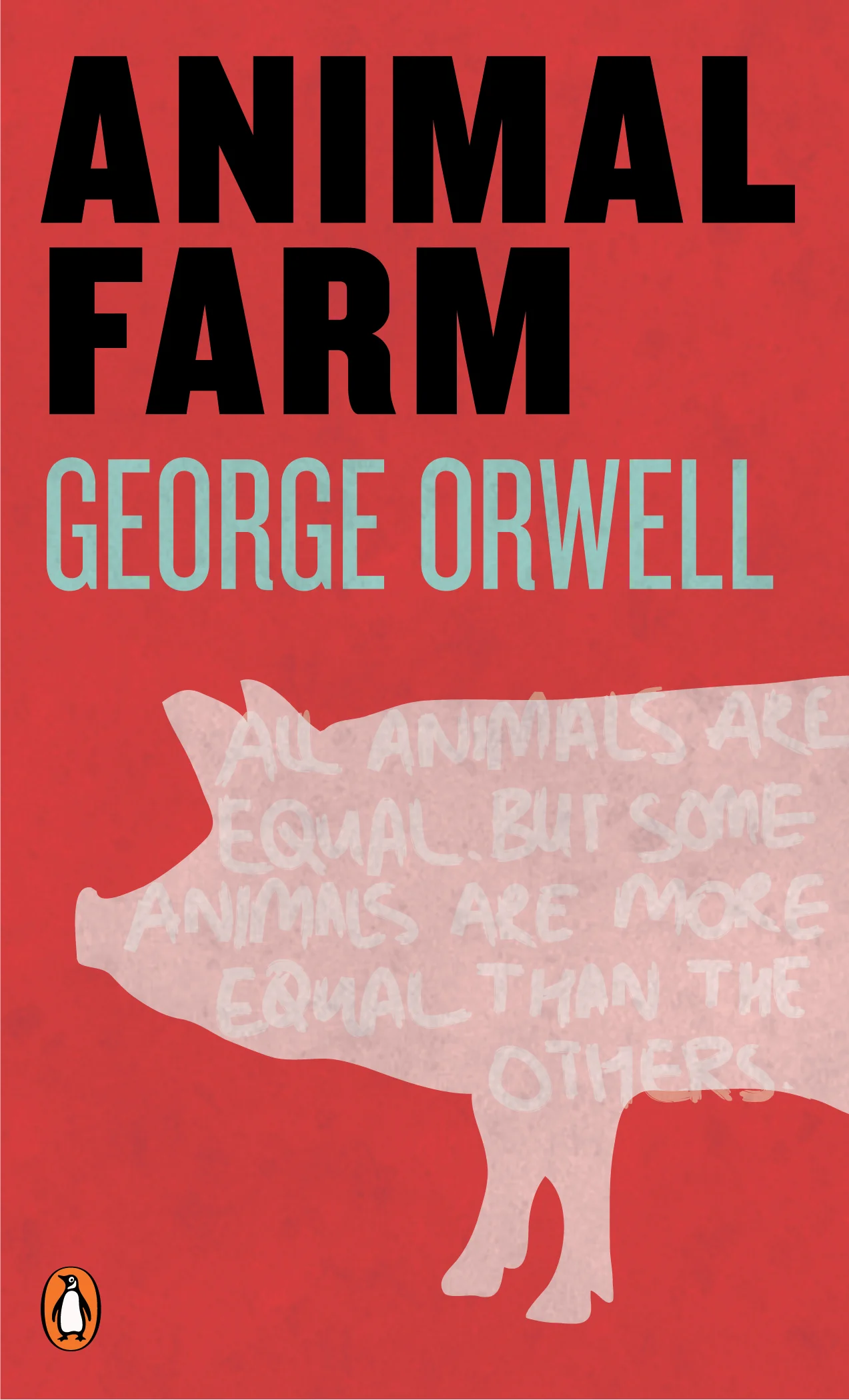
A barnyard revolution against human oppression gradually transforms into a totalitarian nightmare as the pigs who led the rebellion become indistinguishable from the tyrants they overthrew.
Overview
Manor Farm becomes the stage for a revolutionary experiment when its downtrodden animals, inspired by the dying words of Old Major, a venerable boar, rise up against their drunken, negligent owner Mr. Jones. The rebellion succeeds beyond their wildest dreams, transforming the farm into Animal Farm, where all creatures are declared equal and the principles of Animalism promise a utopian society free from human oppression. Led initially by the intellectual pigs Snowball and Napoleon, the animals prove remarkably capable of self-governance, completing harvests more efficiently than their former human masters ever managed.
Yet the idealistic vision of equality begins to fracture as the pigs gradually assume positions of authority, justifying their privileges through claims of superior intelligence and organizational necessity. Napoleon, through cunning manipulation and the cultivation of a fierce pack of guard dogs, eventually drives out his rival Snowball and consolidates absolute power. What follows is a systematic betrayal of the revolution's founding principles, as the pigs adopt increasingly human behaviors and luxuries while subjecting their fellow animals to ever-harsher labor conditions. The noble workhorse Boxer epitomizes the tragic fate of the common animals, his unwavering loyalty and tireless dedication ultimately rewarded with betrayal and death.
As years pass and the original revolutionaries die off, the farm's transformation reaches its grotesque completion. The pigs begin walking upright, wearing clothes, and conducting business with the very human neighbors they once despised. The Seven Commandments of Animalism are gradually altered and eventually replaced with a single, chilling maxim that encapsulates the complete corruption of the revolutionary ideal. The animals who remain find themselves unable to distinguish between their pig rulers and the human oppressors they once overthrew, trapped in a system that has become indistinguishable from—and perhaps worse than—what they originally sought to escape.
Orwell's masterpiece serves as a devastating allegory for the corruption of revolutionary ideals and the cyclical nature of oppression. Through the seemingly simple tale of barnyard animals, he exposes how noble causes can be perverted by those who seek power, how propaganda can reshape reality, and how the oppressed can become oppressors while believing themselves liberators. The novel stands as both a specific critique of Soviet communism and a universal warning about the dangers of unchecked authority, demonstrating how easily the language of equality can mask the reality of tyranny.
Main Characters
- Old Major - the visionary boar whose revolutionary speech inspires the rebellion
- Napoleon - the cunning pig who seizes absolute power and betrays the revolution's ideals
- Snowball - Napoleon's intellectual rival who is driven into exile
- Boxer - the loyal workhorse whose dedication is ultimately rewarded with betrayal
- Squealer - Napoleon's propagandist who manipulates language to justify the pigs' corruption
Central Themes
- Corruption of power and revolutionary ideals
- The manipulation of language and propaganda
- Class struggle and the cyclical nature of oppression
Mood & Atmosphere
Initially hopeful and triumphant, gradually darkening into cynicism and tragic irony as idealistic dreams are systematically corrupted and betrayed.