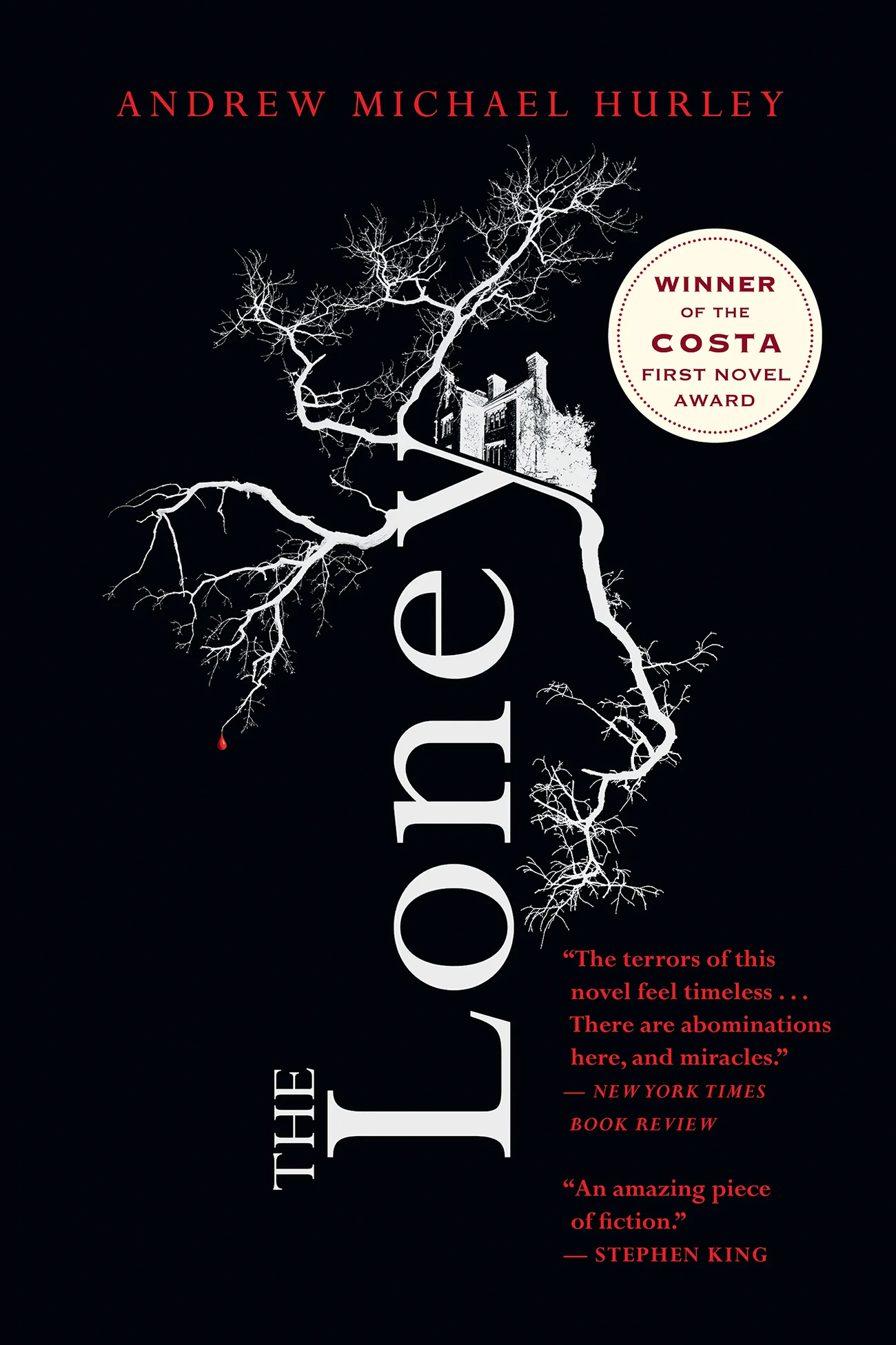
Chapter 1
The narrator reflects on the aftermath of a violent autumn storm that has ravaged the landscape, stripping trees of their leaves and leaving a trail of destruction. Missing a therapy session with Dr. Baxter due to his preoccupation with documenting the fallen trees, the narrator is reassured that things are never as dire as they seem. However, the storm’s impact is more than just physical; it stirs deeper, more personal turmoil within him, triggered by news of a landslide in Coldbarrow, a place he has tried to forget for thirty years.
Contemplating whether to reach out to Hanny, a figure from his past, the narrator wonders if the news means anything to him. He picks up a book written by Hanny, titled 'My Second Life with God,' and examines the family photo on the back cover, which shows Hanny, Caroline, and their sons, Michael and Peter. The book’s success and Hanny’s subsequent rise to fame are noted, along with the narrator’s realization that the news from Coldbarrow might bring unwanted attention to their shared history. Feeling compelled to write down his memories, he aims to control the narrative before others can.
Key Events
- The narrator misses a therapy session due to the storm.
- News of a landslide in Coldbarrow triggers the narrator's memories.
- The narrator considers contacting Hanny about the news.
- The narrator finds newspaper clippings about Hanny’s success inside the book.
Characters Introduced
- Narrator
- Dr. Baxter
- Caroline
- Michael
- Peter
Themes
- Memory and the Past
- The Impact of Natural Disasters on Personal Memory
- Fame and Public Scrutiny
Chapter 2
The Loney, a desolate and dangerous stretch of English coastline, looms large in the narrator’s memory. Each year, he and Hanny join their family and the parish on an Easter pilgrimage to visit Saint Anne’s shrine. The Loney is a treacherous place, with tides that can kill and a history of tragedy, including the remnants of old industries and mysterious structures. The narrator introduces Billy Tapper, a local drunk whose fall from grace serves as a cautionary tale for the group.
During a trip to Lancaster in 1973, Mummer takes the narrator and Hanny to stock up on food and visit an exhibition. They encounter Billy Tapper at a bus stop, where he shares his tragic story and warns them about the dangers of alcohol. The narrator is fascinated by Billy’s dirtiness and his brutal, alien smell, while Hanny is captivated by a more disturbing sight. Mummer uses the encounter to warn the boys about the dangers of sin and the influence of Satan.
At dinner, the adults discuss Billy’s situation, with Father Wilfred dismissing him as a foolish man who has thrown away his opportunities. The narrator reflects on his childhood ability to predict outcomes, feeling certain that Billy will die soon, a belief rooted in his understanding of the harsh realities of life in the Loney.
Key Events
- The narrator describes the Loney and its dangers.
- Mummer takes the narrator and Hanny to Lancaster, where they meet Billy Tapper.
- Billy Tapper shares his tragic story and warns the boys about alcohol.
- Mummer and the adults discuss Billy’s situation at dinner.
Characters Introduced
- Mr Belderboss
- Mrs Belderboss
- Billy Tapper
Themes
- The treacherous nature of the Loney
- Sin and moral decay
- The impact of past traumas
- Predictive intuition and fate
Chapter 3
Following the conversation about Billy Tapper, Father Wilfred undergoes a dramatic transformation, becoming increasingly distracted and agitated. One evening, the narrator overhears Father Wilfred crying in his room, a sight that deeply unsettles everyone. Despite returning to Saint Jude’s, Father Wilfred’s demeanor remains altered, and he eventually dies in 1976, leading to the appointment of Father Bernard McGill as the new priest.
Father Bernard, with his easy charm and approachability, quickly wins over the congregation. During a meeting organized by Mummer to discuss the upcoming Easter retreat, Father Bernard suggests going back to Moorings and visiting Saint Anne’s shrine, despite Miss Bunce’s suggestion of Glasfynydd. Mummer, nostalgic for the Loney, strongly advocates for Moorings, and the group ultimately decides to return to the Loney. The chapter highlights Mummer’s deep connection to the Loney and her belief that Saint Anne’s shrine offers the best chance for Hanny’s healing.
The chapter also delves into Mummer’s background, revealing her strong ties to the northwest coast and her adherence to local traditions. Her enthusiasm for the Loney and the shrine underscores her hope for a miracle for Hanny, adding a layer of emotional depth to the decision to revisit the Loney.
Key Events
- Father Wilfred’s sudden change and eventual death
- Father Bernard’s introduction and popularity with the congregation
- The decision to return to Moorings for the Easter retreat
- Mummer’s strong advocacy for visiting Saint Anne’s shrine
Characters Introduced
- Miss Bunce
- David Hobbs
- Matt Monro
Themes
- The impact of personal tragedy on spiritual leaders
- Nostalgia and tradition in community decisions
- Faith and the pursuit of miracles
- Community dynamics and leadership transitions
Chapter 4
Hanny returns home from Pinelands, brimming with excitement about the upcoming Easter trip to Moorings. He proudly shows the narrator a new watch Mummer has given him and shares his drawings, one of which vividly depicts the Loney, a testament to his enduring memory of the place. The narrator reflects on Hanny’s growing maturity and the unique communication system they share, underscoring their deep bond.
During the journey to Moorings, the minibus breaks down, and Father Bernard seeks help from local men. The narrator observes the eerie landscape and the superstitious, isolated nature of the area. Upon arrival at Moorings, they are greeted by Clement and his blind mother, and the narrator notes the dilapidated state of the house, a place steeped in timelessness and decay.
Inside Moorings, Mr Belderboss leads a tour, pointing out the historical artifacts and the house’s past owners, while Miss Bunce remains skeptical of the place’s health benefits. As the group settles into the house, a sense of foreboding hangs in the air, setting the stage for the upcoming pilgrimage and the potential for supernatural occurrences.
Key Events
- Hanny returns home with a new watch and drawings.
- The minibus breaks down, and Father Bernard gets help from local men.
- The group arrives at Moorings and meets Clement and his mother.
- Mr Belderboss leads a tour of the house, highlighting its history and artifacts.
Characters Introduced
- Clement
- Clement's mother
Themes
- Childhood memories and their impact
- Isolation and superstition
- The bond between the narrator and Hanny
- The decay of time and place
Chapter 5
In the attic room at Moorings, the narrator and Hanny are immediately drawn to the room's peculiar collection of curiosities. Hanny is particularly fascinated by the stuffed animals and a hidden compartment under a floorboard, which contains a rusty penknife, pornographic photos, dead rats, and an M1 Garand rifle. The narrator takes charge, hiding the rifle and setting strict rules for its use.
Later, Father Bernard visits the boys, inviting them to play gin rummy. As they play, he shares stories of his childhood on Rathlin Island, emphasizing themes of pride, sacrifice, and the harshness of life. The conversation shifts to Father Wilfred's missing diary, which Mr Belderboss is eager to recover. Father Bernard hints at the confidentiality of confession, but the narrator denies knowing anything about the book.
After Father Bernard leaves, Mummer enters to discuss Hanny's preparation for the pilgrimage, insisting on fasting and participation in the rituals. The narrator overhears Mummer and Father Bernard discussing the importance of Hanny's spiritual cleansing. Back in the room, Hanny plays with the rifle, leading to a tense moment as he points the gun at the narrator and pulls the trigger.
Key Events
- The narrator and Hanny discover a hidden compartment with a rifle and other items.
- Father Bernard visits the boys and shares stories of his childhood.
- Mummer discusses Hanny's preparation for the pilgrimage with Father Bernard.
- Hanny points the rifle at the narrator and pulls the trigger.
Themes
- Secrecy and hidden truths
- Religious devotion and sacrifice
- Tension and impending danger
- The weight of childhood experiences
Chapter 6
Still shaken from the previous night's events, the narrator finds himself face-to-face with Hanny, who has pointed the rifle at him. Initially believing he is dead, the narrator quickly realizes he is still alive and manages to calm Hanny down, retrieving the rifle. Hanny, who has learned to protect his belongings from being taken at Pinelands, reluctantly gives the rifle to the narrator, who hides it back under the floorboards. Hanny then asks the narrator to read a story to him, and despite his reluctance, the narrator reads until Hanny falls asleep.
Unable to sleep, the narrator retrieves the rifle again to inspect it, confirming it is empty before hiding it once more. He then explores the house, examining photographs of the taxidermist and his wife, learning about the taxidermist's tragic end after his wife's death. The narrator overhears Mrs Belderboss confiding in Father Bernard about her concerns over Mr Belderboss's insomnia and his nighttime wanderings. Mrs Belderboss admits to drugging Mr Belderboss to help him sleep, expressing her guilt and seeking absolution.
Father Bernard reassures Mrs Belderboss, emphasizing the love and lack of malice in her actions, and advises her to be patient with Mr Belderboss. He suggests that Mr Belderboss's behavior may be a result of unresolved grief over Father Wilfred's sudden death. The chapter ends with the narrator reflecting on the conversation and holding the rifle before finally going to sleep.
Key Events
- The narrator calms Hanny down and retrieves the rifle.
- The narrator inspects the rifle and hides it again.
- The narrator overhears Mrs Belderboss confessing to drugging Mr Belderboss to Father Bernard.
- Father Bernard reassures Mrs Belderboss and advises her to be patient with Mr Belderboss.
Themes
- Guilt and Confession
- Grief and Loss
- Protective Instincts
- Unresolved Grief and Insomnia
Chapter 7
The narrator, still unsettled from the previous night's events, hears distant, unsettling voices that sound like a war dance. The next morning, the group gathers for breakfast, and Mrs Belderboss expresses her concern about the strange noises. Father Bernard attempts to reassure her, but the narrator remains skeptical and wonders if the voices came from the woods. The moment passes as Mummer deals with a crisis involving Hanny and the stew. Mummer discovers Hanny has eaten the stew meant for fasting and forces him to vomit. The narrator cleans up Hanny and helps him to bed, trying to comfort him. Later, the narrator joins Father Bernard outside, who shares his own experiences and offers advice on faith and Hanny’s condition. They notice Clement’s Land Rover with two unfamiliar men inside, and the narrator asks Father Bernard about the night's voices, leading to a candid admission from the priest. The chapter concludes with the group leaving for church, allowing the narrator and Hanny to explore the beach alone, free from the constraints of the adults' rituals and expectations.
Key Events
- The narrator hears strange voices late at night.
- Mummer forces Hanny to vomit after he eats the fasting stew.
- Father Bernard shares his thoughts on faith and Hanny’s condition with the narrator.
- The narrator and Father Bernard notice Clement’s Land Rover with two unfamiliar men inside.
Themes
- Faith and doubt
- Isolation and mystery
- Childhood and protection
- Mystery and suspicion
Chapter 8
Still reeling from the previous night's unsettling voices and Hanny's distress, the narrator and Hanny return to the beach at the Loney. They retrace their steps, climbing to the top of the dunes, where the narrator helps Hanny up. They proceed to the pillbox, which has been defaced with graffiti. Inside, they clear the sand and set up Hanny’s toys, with the narrator using the rifle to survey the sea through the gun slits.
While Hanny watches the sea through the rifle, the narrator notices a large gull with a broken wing struggling on the sand. Deciding it is merciful to end the bird’s suffering, the narrator prepares to shoot it but is interrupted by the arrival of a car. They hide in the dunes and observe the car, which carries a man named Leonard, a woman named Laura, and a heavily pregnant girl. The narrator recognizes the car from their earlier journey and notes the tension between Leonard and Laura.
Leonard and Laura argue about the girl’s condition, and Leonard retrieves a wheelchair from the car to help the girl move. The girl, who appears to be in her teens, is dressed in a style reminiscent of the 1930s. Leonard wheels her to the beach, and Laura follows, smoking a cigarette. Leonard investigates the pillbox and slips, losing his balance and dropping Hanny’s watch, which he pockets. The girl, meanwhile, feeds the injured gull, which eventually flies away.
Key Events
- The narrator and Hanny revisit the beach and the pillbox.
- They observe a large gull with a broken wing.
- A car arrives carrying Leonard, Laura, and a pregnant girl.
- Leonard and Laura argue about the girl’s condition.
- Leonard retrieves a wheelchair and helps the girl to the beach.
- Leonard drops and pockets Hanny’s watch.
- The girl feeds the injured gull.
Characters Introduced
- Leonard
- Laura
- The pregnant girl
Themes
- The moral dilemma of mercy and suffering
- The contrast between the Loney's isolation and urban life
- Secrecy and hidden motives
Chapter 9
Spring's relentless rain transforms the Loney's beach into sludge and the dunes into crumbling masses, confining the group to Moorings. The oppressive weather breeds a sense of futility and claustrophobia. Mummer suggests reinstating Father Wilfred’s routine of structured prayer sessions to maintain focus and discipline during the confinement. Father Bernard, returning from a long walk with Matt Monro, is initially hesitant but agrees to lead the prayers. Tensions rise as Mummer expresses suspicion about Father Bernard’s prolonged absence and the possibility of him drinking. The group gathers for the prayer session, with Mummer emphasizing the importance of duty and service, reflecting her strict religious views. During the prayer, the narrator recalls his training as an altar boy under Father Wilfred, detailing the rigorous instruction and the hierarchical nature of the church. He remembers the stark, imposing architecture of Saint Jude’s and the intense, almost factory-like atmosphere within. The chapter delves into the narrator’s curiosity about the sacred spaces and objects, symbolizing his deeper engagement with the church and his role in the religious hierarchy.
Key Events
- Relentless rain confines the group to Moorings, creating a sense of futility.
- Mummer suggests reinstating Father Wilfred’s prayer routine to maintain discipline.
- Father Bernard leads the prayer session despite initial hesitation.
- Mummer expresses suspicion about Father Bernard’s prolonged absence and possible drinking.
- The narrator recalls his training as an altar boy under Father Wilfred, highlighting the church’s strict hierarchy and his curiosity about sacred spaces.
Themes
- Confinement and Futility
- Religious Rigor and Suspicion
- Sacred Curiosity and Hierarchical Engagement
Chapter 10
The relentless rain continues on Good Friday, and Mummer rouses the narrator and Hanny for the Stations of the Cross, a ritual led by Father Bernard. Despite the inclement weather, the group trudges through the mud, the narrator occasionally checking the hidden rifle. After the somber ceremony, the narrator and Hanny set off for Coldbarrow to retrieve Hanny’s watch, which Leonard had found the previous day.
Crossing the treacherous mud flats, the narrator reflects on the area’s desolate history. They follow an albino cat to Thessaly, the house where Leonard, Laura, and the pregnant girl, Else, are staying. Inside, the cold and bare rooms evoke a sense of abandonment and unease. Hanny bonds with Else, who allows him to feel the baby kick and gives him some old books.
Laura and Leonard join them, and Leonard, after some hesitation, returns Hanny’s watch. He warns the boys about the unpredictable tides and the dangers of the area. The chapter concludes with the boys leaving Thessaly, the tension of the encounter still hanging in the air.
Key Events
- The narrator and Hanny participate in the Stations of the Cross led by Father Bernard.
- The narrator and Hanny travel to Coldbarrow to retrieve Hanny’s watch.
- Hanny bonds with Else, the pregnant girl, and receives old books from her.
- Leonard returns Hanny’s watch and warns the boys about the dangers of the tides.
Themes
- Religious Ritual and Faith
- Desolate History and Abandonment
- Childhood Innocence and Curiosity
- Natural Dangers and Warnings
Chapter 11
Narrowly avoiding the rising tide, the narrator and Hanny return from Coldbarrow. Hanny, elated to have his watch back, repeatedly shows it to the narrator, who reminds him they are running late. Father Bernard, waiting for them, urges them to hurry, and they find the rest of the group on the bus, tense and impatient. Mummer, in particular, is visibly displeased, and the narrator, noticing Hanny’s preoccupation with the kiss from Else, feels a pang of jealousy and subtly redirects his attention.
During the bus ride, the group encounters a swarm of red butterflies, which Mrs Belderboss interprets as a divine sign of God’s presence and support for their pilgrimage. This prompts a discussion about the importance of recognizing God’s signs and wonders, a theme frequently emphasized by Father Wilfred. The chapter then delves into the narrator’s reflections on Mummer’s belief in divine intervention, often manifested in the form of rewards for the righteous and punishments for the wicked. These beliefs, shaped by Father Wilfred’s teachings, highlight the deep-seated fear and reverence for suffering and hardship as essential aspects of faith.
The chapter also includes a flashback to a time when Father Wilfred punished Henry McCullough for being late to Mass. The punishment, involving physical pain and a stern lecture on the importance of truth and the consequences of lying, underscores Father Wilfred’s strict and often cruel methods of instilling discipline and religious fervor. The narrator’s recollection of this event provides insight into the broader context of the church’s influence and the psychological impact of such teachings on the young boys.
Key Events
- The narrator and Hanny narrowly avoid the rising tide on their return from Coldbarrow.
- Mrs Belderboss interprets a swarm of red butterflies as a divine sign.
- The narrator reflects on Mummer’s belief in divine intervention and the teachings of Father Wilfred.
- A flashback reveals Father Wilfred’s harsh punishment of Henry McCullough for being late to Mass.
Themes
- Religious Fear and Reverence
- Divine Signs and Wonders
- Strict Religious Discipline
- Psychological Impact of Religious Punishment
Chapter 12
The Church of the Sacred Heart, an ancient and atmospheric place, draws the group for a Tenebrae service. Filled with relics and symbols of medieval piety, including a Doom painting that depicts the horrors of Hell, the church deeply affects the narrator, recalling childhood fears. The service, conducted in Latin, gradually darkens the church, culminating in a symbolic earthquake when the altar boy slams the church doors shut.
After the service, the group stops at a traditional fish stall for Good Friday. They encounter Clement’s Land Rover and the unfriendly locals, Parkinson and Collier. Mummer and Farther chat with the fishmonger, while the others speculate about Clement’s whereabouts and the men’s intentions. The group’s discomfort is palpable, especially Miss Bunce’s reaction to the smell of fish.
On the way back to Moorings, they pick up Clement, who warns Father Bernard to stay indoors and avoid the locals, hinting at potential threats from Parkinson and his associates. Clement’s warning adds a layer of tension to the already uneasy atmosphere, suggesting that the group’s presence in the Loney is unwelcome and potentially dangerous. The chapter ends with Clement’s cryptic warning and his departure, leaving the group to ponder the implications of his advice.
Key Events
- The group attends a Tenebrae service at the Church of the Sacred Heart.
- The group stops at a fish stall and encounters unfriendly locals, including Parkinson and Collier.
- Clement warns Father Bernard to stay indoors and avoid the locals.
- The group returns to Moorings, with the tension of Clement’s warning lingering.
Themes
- Religious Atmosphere and Medieval Piety
- Local Hostility and Suspicion
- Foreshadowing of Danger
- Childhood Fears and Religious Symbolism
Chapter 13
Still reeling from Clement’s ominous warning, the group gathers at Moorings to discuss his peculiar behavior, attributing it to his isolated life with his mother. Mummer and Mrs Belderboss busy themselves preparing the fish for dinner, while the others engage in various activities: Father Bernard prays, and Farther examines a nativity set. As the rain outside grows heavier, casting a somber mood over the gathering, Miss Bunce suggests a penitential walk in the woods. Mummer, however, declines, choosing to wash the dishes instead.
Hanny, increasingly agitated, shows the narrator a brown envelope containing a large sum of money and a list of names, which he had taken from Else at Thessaly. Concerned about the potential consequences, the narrator urges Hanny to return the money. Later, Miss Bunce returns from her walk, visibly distressed, claiming she saw a man hanged in the woods. Alarmed, Father Bernard, Farther, and the narrator set out to investigate, guided by Monro.
They discover a disturbing effigy of Christ, crafted from a sheep’s skull and sandbags, adorned with a crown of thorns and a pig’s heart impaled on a stake. Recognizing the effigy as a threatening gesture from the locals, likely Parkinson and Collier, they decide to keep the discovery of the pig’s heart secret, fearing the implications. The chapter concludes with the group returning to Moorings, each member grappling with the unsettling events of the evening.
Key Events
- The group discusses Clement’s odd behavior and dismisses his warnings.
- Miss Bunce proposes a penitential walk in the woods, which Mummer declines.
- Hanny shows the narrator a brown envelope containing money and a list of names.
- Miss Bunce returns distraught, claiming a man had hanged himself in the woods.
- Father Bernard, Farther, and the narrator discover a disturbing effigy of Christ in the woods.
- The group decides to keep the discovery of the pig’s heart secret.
Themes
- Local Hostility and Threats
- Religious Symbolism and Intimidation
- Secrecy and Its Consequences
- Childhood Innocence and Adult Responsibilities
Chapter 14
Still reeling from the discovery of the effigy in the woods, the group returns to Moorings, where tension and fear are palpable. Miss Bunce, still shaken from her experience, insists on leaving, but Father Bernard and Mrs Belderboss manage to calm her down, convincing her to stay. Mummer fetches a bottle of brandy for Miss Bunce, and Father Bernard reassures everyone that the incident was just a prank by local youths.
Later, the narrator checks on Hanny, finding him asleep with the stolen money and pornographic pictures scattered around. Concerned about the potential consequences, the narrator hides the money and disposes of the pictures. This leads to a flashback of a similar incident involving Henry McCullough, who was severely punished by Father Wilfred for his perceived sins, highlighting the strict and often cruel methods of discipline within the church.
The flashback reveals the deep-seated fear and control exerted by Father Wilfred, using physical and psychological torment to enforce his moral code. The chapter underscores the lasting impact of these experiences on the narrator and the other boys, shaping their perceptions of authority and morality.
Key Events
- The group returns to Moorings and calms Miss Bunce’s fears.
- The narrator hides the stolen money and disposes of the pornographic pictures.
- Flashback to Henry McCullough’s punishment by Father Wilfred.
Themes
- Fear and control within religious authority
- The lasting impact of childhood trauma
- The enforcement of moral codes through punishment
Chapter 15
Evening shadows deepen as the narrator, unable to shake the unsettling image of the effigy in the woods, keeps the rifle close by his side. Every creak and knock of the house heightens his anxiety, and he wonders what would happen if the group refused to leave. Around eleven o'clock, the narrator overhears Mr Belderboss knocking on Father Bernard’s door, prompting him to eavesdrop from the understairs cupboard.
Mr Belderboss and Father Bernard discuss the events of the evening, with Mr Belderboss attributing the effigy to local youths. However, Mr Belderboss then requests to hear confession, revealing a deeper issue. He confesses to visiting Father Wilfred’s grave at night, only to find the flowers he placed there taken by a drunken woman who mistook him for someone named Nathaniel. This encounter led to a confrontation with the police, and Mr Belderboss is torn between his shame and his desire to tell his wife, Mary, the truth.
Father Bernard listens sympathetically and advises Mr Belderboss to seek guidance from God rather than punishment. He encourages Mr Belderboss to consider the consequences of sharing his secret with Mary, emphasizing that the right decision will come from trusting in God. Mr Belderboss also reveals his concerns about Father Wilfred’s loss of faith, describing how Wilfred seemed to withdraw from everyone, including his own family, before his death. The chapter ends with Father Bernard deep in thought, and the narrator, unseen, feeling the weight of the night’s revelations.
Key Events
- The narrator remains vigilant with the rifle next to him, unable to sleep.
- Mr Belderboss confesses to Father Bernard about his nocturnal visit to Father Wilfred’s grave and the encounter with the drunken woman.
- Father Bernard advises Mr Belderboss to seek guidance from God and consider the consequences of telling his wife the truth.
- Mr Belderboss reveals his concerns about Father Wilfred’s loss of faith and withdrawal from his family.
Themes
- Shame and secrecy
- Faith and moral guidance
- Isolation and withdrawal
Chapter 16
The fierce gale that battered Moorings all night has left the outhouse in disarray, its doors scattered like playing cards. Hanny, already dressed, stands at the window, stroking a stuffed hare and signaling his desire to see Else. The narrator promises to take Hanny back to Coldbarrow but warns him that they might not be allowed to see the girl.
Exploring the damaged outhouse, the narrator and Hanny uncover a bizarre collection of botched taxidermy, including shrunken squirrels, a deflated poodle, and a tandem bicycle ridden by mangy chimps. They also find boxes of bullets in a chest of drawers, which the narrator decides to store in the pillbox for safety. When the group gathers to examine the outhouse, Father Bernard begins repairing the tandem, much to Mummer’s irritation.
At breakfast, Mr Belderboss presents a crude earthenware bottle found on the window ledge of the quarantine room. The bottle contains an unknown liquid, and Mrs Belderboss mentions Father Wilfred’s extensive knowledge and travels. Mummer, still resentful about Miss Bunce’s trip to Jerusalem with Father Wilfred, storms out of the room. The chapter also reveals that Clement’s mother, previously believed to be blind, visits Moorings to deliver firewood, surprising everyone with her improved vision.
After breakfast, the narrator and Hanny head to Coldbarrow through dense fog. They navigate the beach and reach Thessaly, where Leonard, dressed casually and with bloodstained arms, greets them. The narrator returns the envelope of money and a list of names, and Leonard, after a brief exchange, gives the narrator some money as a token of gratitude. Hanny, seeing Else at a window, waves to her, but she disappears abruptly, leaving Hanny disappointed.
Key Events
- The gale damages the outhouse at Moorings, scattering the doors.
- The narrator and Hanny discover a bizarre collection of botched taxidermy and a box of bullets in the outhouse.
- Father Bernard repairs the tandem bicycle, causing Mummer’s irritation.
- Mr Belderboss finds a crude earthenware bottle in the quarantine room, leading to discussions about Father Wilfred’s knowledge.
- Clement’s mother, previously believed to be blind, visits Moorings to deliver firewood.
- The narrator and Hanny return to Coldbarrow, where Leonard accepts the returned money and gives the narrator some cash.
- Hanny sees Else at a window and waves to her, but she disappears.
Themes
- The lingering effects of past conflicts and secrets on present-day interactions
- The tension between religious duty and personal desires
- The persistence of childhood fears and the struggle for control
Chapter 17
Still reeling from the storm and the bizarre discoveries in the outhouse, Miss Bunce seeks solace with Father Bernard. She confides in him, revealing her deep regret over her last interaction with Father Wilfred before his death. She recounts how Father Wilfred, appearing distracted and worried, had asked her to accompany him on a longer trip to Jerusalem, but she declined due to her impending marriage to David. This led to a heated argument, with Father Wilfred disapproving of David and demanding that Miss Bunce call off the engagement.
Miss Bunce further confesses to getting drunk out of spite, feeling guilty and tormented over her actions. Father Bernard reassures her, suggesting that her guilt and remorse have already served as a form of purification. He advises her to forgive herself, marry David, and move forward, offering his blessing.
The chapter also includes a flashback to a carol service, where Miss Bunce, agitated and crying, searches for her umbrella, leading to a tense interaction with Henry, Paul, and the narrator as they stack hymn books. Paul teases Henry about his attraction to Miss Bunce, threatening to tell Father Wilfred. Henry, clearly distressed, pleads with Paul to remain silent. The arrival of Father Wilfred interrupts their conversation, and Paul eagerly reports Miss Bunce’s distress to him, but Father Wilfred is more concerned with finding her and retrieves her umbrella.
Key Events
- Miss Bunce confesses her regrets and guilt over her last interaction with Father Wilfred.
- Miss Bunce admits to getting drunk out of spite and feeling tormented by her actions.
- Father Bernard reassures Miss Bunce, advising her to forgive herself and marry David.
- Paul teases Henry about his attraction to Miss Bunce and threatens to tell Father Wilfred.
Themes
- Guilt and Redemption
- Forgiveness
- The Burden of Regret
- The Role of Religious Authority in Personal Decisions
Chapter 18
On Easter morning, the group gathers stones for a traditional Easter activity, with Mummer and Farther leading the way. The sky begins to lighten, and the group makes their way up the hill to Nick’s Lane, a barren path through the woods. The air is thick with tension, particularly for the narrator, Miss Bunce, and David, whose minds are still haunted by recent events. Their somber mood is momentarily lifted when Hanny leads the group to a pregnant ewe giving birth in the ferns. Father Bernard assists the ewe, ensuring the lamb’s survival, and the group witnesses the birth as a significant and symbolic event. The ewe and her newborn lamb are seen as a positive omen, and the group discusses the miraculous nature of the event, drawing parallels to the resurrection and the potential for miracles at Saint Anne’s shrine.
The chapter then transitions to a flashback, recounting a troubling incident involving Father Wilfred and Henry McCullough. Father Wilfred, increasingly withdrawn and erratic, accuses Henry of stealing his diary. The confrontation escalates, and Henry, in a moment of panic, accidentally pushes Father Wilfred, leading to a strained relationship and Henry’s decision to leave Saint Jude’s. The narrator, feeling responsible for Henry’s well-being, decides to intervene and tells Father Wilfred that the diary is in the belfry, hoping to alleviate the tension.
Key Events
- The group gathers stones for Easter morning.
- Hanny leads the group to a ewe giving birth, which is seen as a positive omen.
- A flashback reveals Father Wilfred’s confrontation with Henry McCullough over a missing diary.
- The narrator intervenes to help Henry by telling Father Wilfred where the diary is.
Themes
- Miracles and Renewal
- Consequences of Actions
- Religious Authority and Control
Chapter 19
The group's excitement over the newborn lamb delays their departure for Easter Mass. Upon arriving at the Sacred Heart, they find the church locked and the wooden Jesus statue over the altar destroyed. The priest attributes the vandalism to local youths, and the group is forced to hold an outdoor Mass. Despite the setback, the group remains hopeful about the next day's visit to Saint Anne’s shrine.
During the outdoor Mass, the police arrive to investigate the vandalism. After the service, Father Bernard invites Clement to join them for lunch, much to Mummer’s initial reluctance. At dinner, Clement reveals that his family is selling the farm to pay for his mother’s eye surgery. The conversation turns to whether the group should help Clement, with Mummer and Mr Belderboss arguing against involvement. The tension rises when Monro, the dog, knocks over an earthenware jar, spilling its contents, which include a small bottle with a dark yellow fluid, bones, and a crude heart shape. Clement, visibly distressed, asks to go home.
As Father Bernard prepares to take Clement home, Clement warns him about Parkinson and Collier, who have been ringing the bell at Coldbarrow and are likely behind the recent disturbances. Clement believes the jar contained items meant to ward off witches and that opening it could have dire consequences. Just as Clement is about to elaborate, a heavy, rhythmic knocking at the front door interrupts him, and the group gathers in the hallway to listen to the singing coming from outside.
Key Events
- The group finds the church locked and the Jesus statue destroyed on Easter morning.
- Father Bernard invites Clement to join them for lunch, despite Mummer’s reluctance.
- Monro knocks over an earthenware jar, revealing its disturbing contents.
- Clement warns Father Bernard about Parkinson and Collier and the significance of the broken jar.
Themes
- Vandalism and local hostility
- Superstition and the fear of witchcraft
- Community and responsibility
- Fear and suspicion
Chapter 20
The narrator and the group are still reeling from the discovery of the mutilated lamb when the Pace Eggers, a troupe of local performers, arrive uninvited on Easter Sunday. Led by Parkinson, the group includes Collier and a mysterious figure in a black cloak, who performs as the devil. Despite her initial reluctance, Mummer organizes a space for the performance, and the group watches as the Pace Eggers enact a traditional play involving Saint George, the Turkish Knight, and a doctor who resurrects the knight. During the performance, Parkinson confronts the narrator about his visits to Thessaly and offers a deal. The atmosphere grows tense when the mysterious figure in the black cloak causes Hanny to disappear.
Key Events
- The Pace Eggers arrive uninvited at Moorings.
- The group watches a traditional performance by the Pace Eggers.
- Parkinson confronts the narrator about his visits to Thessaly and offers a deal.
- The mysterious figure in the black cloak causes Hanny to disappear.
Themes
- Tradition vs. Modernity
- Religious Rituals and Folklore
- Mystery and Disappearance
Chapter 21
Under his bed, Hanny sleeps surrounded by drawings of Else, blissfully unaware of the impending visit to the shrine. The narrator recalls a previous visit where Hanny nearly choked on holy water, with Father Wilfred restraining Mummer and urging patience for a miracle. The narrator considers hiding Hanny but knows Mummer will insist on his participation.
Later, the narrator steps outside and discovers a mutilated lamb in the field, the victim of Collier’s dog. Inside, Father Bernard rolls apples from the garden onto the table, noting the abundance of fruit. Despite his fatigue, Father Bernard resists the narrator’s suggestion to leave, determined to complete the pilgrimage.
Mummer interrupts to speak privately with Father Bernard. She questions his past successes in Belfast and the Ardoyne, implying he understands the community’s needs. Mummer argues that Father Wilfred’s strict guidance was essential and warns Father Bernard against altering the established order. Her words reveal a deep-seated resistance to change and a commitment to preserving the community’s traditions.
Key Events
- Hanny is found asleep under his bed with drawings of Else.
- A mutilated lamb, killed by Collier’s dog, is discovered in the field.
- Father Bernard discusses the apples and the possibility of leaving with the narrator.
- Mummer has a private conversation with Father Bernard, urging him to maintain tradition.
Themes
- Resistance to Change
- Tradition vs. Modernity
- Community and Leadership
Chapter 22
Hanny is the center of attention as the group prepares for the pilgrimage to the shrine. The men adopt a macho demeanor, clapping Hanny on the shoulder, while Mummer and Mrs Belderboss meticulously wash and dress him. Hanny, oblivious to the gravity of the situation, thinks it's all for Else, and Mummer explains the significance of the visit to God’s special place, emphasizing the need for Hanny to remain calm and obedient.
The group sets off through the damp and cold morning, with Mummer leading the way and the others trailing behind. Father Bernard walks alongside the narrator, discussing the nature of faith and miracles, suggesting that not all miracles are immediate and that smaller signs of God’s plan should be recognized. As they approach the shrine, the group is struck by its neglected state, with broken statues and overgrown paths, but Mummer insists that God is still present.
Upon reaching the shrine, the group descends into a damp, dark well where Father Bernard conducts the ritual. Each member drinks from the holy water, but when it’s Hanny’s turn, he panics and refuses to drink, breaking the mug and fleeing. Mummer retrieves him and forces him to drink the water, causing him to choke and spit it out. The group, disturbed by the scene, leaves the shrine, with Farther remaining behind to stare at his wife.
Key Events
- The group prepares Hanny for the visit to the shrine.
- Father Bernard and the narrator discuss faith and miracles.
- The group discovers the shrine is neglected and overgrown.
- Hanny panics and refuses to drink the holy water, leading to a tense confrontation with Mummer.
Themes
- Faith and Miracles
- Control and Manipulation
- Neglect and Decay of Sacred Places
Chapter 23
Despite Father Bernard’s efforts, Miss Bunce and David leave Moorings early, casting a heavy despondency over the house. Unable to bear the gloom, the narrator retreats to bed, where he finds Mummer giving Hanny a cup of tea mixed with water from the shrine. Mummer traces a cross on Hanny’s forehead, and when Hanny wakes up, she calms him and asks him to kneel and pray with her. The narrator opens the door to let Farther and the Belderbosses in, and they join the prayer, though Mrs Belderboss suggests waiting for Father Bernard. When Father Bernard arrives, he declines to join, citing his weariness and the need to pray in the morning when he can concentrate better.
The conversation turns tense as Mummer criticizes Father Bernard for his carefree attitude and the chaos at Moorings. Farther and the Belderbosses try to defend him, but Mummer insists that Father Bernard is a mistake and that the trip has been a farce. The group discusses the rumors about Father Wilfred’s death and the importance of keeping their suspicions private to protect Saint Jude’s reputation. Farther reveals that he discovered Moorings was originally a hospice, not a home, and that the children housed there died. Mummer, however, remains steadfast in her faith and refuses to give up on Hanny, leading to a heated argument with Farther, who believes the place is sick and wants to leave.
Later, the narrator attends a therapy session with Dr. Baxter, where they discuss his recent behavior and his relationship with Hanny. Dr. Baxter notes progress in the narrator’s understanding of Hanny’s concerns and his own need to feel essential. The narrator reflects on the honesty in Hanny’s eyes and the fear he saw in Farther, connecting it to his own fear of being separated from Hanny. Dr. Baxter acknowledges the therapeutic value of the narrator’s struggle and expresses optimism about the future of their relationship.
Key Events
- Miss Bunce and David leave Moorings early, causing despondency.
- Mummer gives Hanny a cup of tea mixed with water from the shrine and leads a prayer.
- Mummer criticizes Father Bernard, leading to a heated argument with Farther.
- Farther reveals that Moorings was originally a hospice for dying children.
- The narrator discusses his relationship with Hanny in a therapy session with Dr. Baxter.
Themes
- Faith and Doubt
- Rumors of Past Misdeeds
- The Past and Its Secrets
- Fear and Protection
Chapter 24
Hanny slips away during the night, taking the rifle and bullets with him. The narrator, realizing Hanny's devious plan, follows him through the treacherous marshes and sandflats of Coldbarrow. Despite the hazardous conditions, the narrator catches up with Hanny, who stands resolutely on the shoreline with the rifle slung over his shoulder.
Exhausted and chilled to the bone, the narrator confronts Hanny about his reckless behavior and the dangers they face. Hanny, however, remains determined to see Else and refuses to return to Moorings. The tension between them escalates, culminating in a physical altercation. Hanny shoves the narrator to the ground and continues his journey, leaving the narrator no choice but to follow him through the dense fog and across the heather.
As they approach an old, ruined farmhouse, the narrator hears the barking of Collier’s dog and muffled voices. Sensing the imminent danger, the narrator tries to persuade Hanny to turn back, but Hanny is fixated on something beyond the narrator’s view. Suddenly, they witness a dog mercilessly killing a hare, and the narrator, fearing for their safety, attempts to pull Hanny away. However, Hanny is immovable. Two men emerge from the mist, their eyes fixed on the boys, adding to the growing sense of peril.
Key Events
- Hanny slips away during the night, taking the rifle and bullets.
- The narrator follows Hanny to Coldbarrow, navigating dangerous terrain.
- The narrator and Hanny have a physical altercation, with Hanny pushing the narrator to the ground.
- They witness a dog killing a hare, and two men emerge from the mist, watching them intently.
Themes
- Determination and recklessness
- Fear and survival
- Conflicting loyalties in the face of danger
Chapter 25
Parkinson and Collier intercept the narrator and Hanny near the ruined farmhouse, taking the rifle from Hanny and questioning them about its origin. Despite the narrator’s attempts to reason with them and offer to leave, Parkinson insists on taking them to Thessaly as 'insurance,' emphasizing the danger and finality of the situation. The journey to Thessaly is tense, with the narrator and Hanny feeling increasingly helpless and isolated.
Upon arrival, Leonard and Clement are preparing to leave. Leonard tries to negotiate their release, but Parkinson remains adamant. The baby cries from the cellar, and Hanny, wanting to see Else, is told she has been taken away. Parkinson and Collier demonstrate their ruthlessness by recounting past injuries and their recovery, using this to intimidate the boys.
Parkinson then shoots Hanny in the thigh, emphasizing the need for faith in their current predicament. Clement, under threat of being sent back to prison, helps carry Hanny into the house. Leonard opens the cellar door, and the baby’s cries intensify as the chapter ends with the group descending into the darkness.
Key Events
- Parkinson and Collier intercept the narrator and Hanny, taking the rifle.
- Parkinson insists on taking the boys to Thessaly as 'insurance'.
- Leonard and Clement are preparing to leave Thessaly.
- Parkinson shoots Hanny in the thigh, and Clement helps carry him into the house.
- The group descends into the cellar as the baby’s cries intensify.
Themes
- Ruthlessness and violence
- Faith and desperation
- Isolation and helplessness
- The psychological impact of violence
Chapter 26
On a sweltering June day, the narrator is revising for his final exams, the oppressive heat mirroring the tension in the air. He reflects on the changes in Hanny since their return from the Loney. Hanny, who had been distant and regressed, suddenly speaks, causing a commotion in the household and the community. Mummer, Farther, and the Belderbosses celebrate the event as a miracle, attributing it to Hanny’s visit to the shrine and the holy water he drank.
Father Bernard, however, is skeptical and confronts the narrator about the true events at Thessaly. He questions the narrator about the circumstances surrounding Hanny’s injury and the possibility of manipulation or deception. Feeling conflicted, the narrator shows Father Bernard Father Wilfred’s diary, revealing Wilfred’s loss of faith and suggesting that the truth about his death should be known. Father Bernard, however, advises against exposing the truth, emphasizing the importance of maintaining the community’s faith and happiness.
The chapter delves into Father Bernard’s past experiences in Belfast, where he learned to manage the complex web of rumors and truths. He explains that sometimes it is necessary to selectively reveal the truth to prevent greater harm. Torn between loyalty to Hanny and the community, and the desire for honesty, the narrator ultimately decides to keep the diary hidden. The chapter concludes with the narrator’s reflection on the absurdity of Father Wilfred’s death and the mundane tasks of the temporary caretaker priest, leaving a sense of unresolved tension and moral ambiguity.
Key Events
- Hanny suddenly speaks, causing a commotion and celebration among the community.
- Father Bernard questions the narrator about the true events at Thessaly and Hanny’s injury.
- The narrator shows Father Bernard Father Wilfred’s diary, revealing Wilfred’s loss of faith.
- Father Bernard advises against exposing the truth, emphasizing the importance of maintaining the community’s faith.
Themes
- The tension between truth and faith
- The impact of secrets and lies on a community
- The role of miracles and divine intervention in shaping beliefs
- Moral ambiguity and the consequences of selective truth-telling
Chapter 27
Farther extends an invitation to Father Bernard to join the family for a reading, but the priest is preoccupied with the narrator. Father Bernard urgently presses the narrator to destroy Father Wilfred’s diary, emphasizing the need to preserve the community’s faith. Despite the pressure, the narrator decides to keep the diary, feeling a profound connection to its contents.
Father Wilfred’s diary reveals a pivotal day in his life. On a sunny evening, he ventures to the beach, a place he has always avoided due to local superstitions and the unpredictable tides. As he walks through the marshes, he reflects on his role as a shepherd to his parishioners and the importance of seeking God in new places. However, the marshes seem to watch him, evoking a sense of unease and secrecy.
Upon reaching the beach, Father Wilfred is struck by the beauty of the natural world and the presence of God in the changing colors of the sea. He observes the gulls and the tide, feeling a sense of peace. Suddenly, his tranquility is shattered when he discovers the body of a drowned tramp, partially consumed by the gulls. In a moment of panic, he tries to drag the body to safety but is nearly pulled into the sea himself. The body eventually sinks, leaving no trace of the incident.
This experience profoundly affects Father Wilfred, leading him to question the presence of God in the Loney. He feels a deep sense of abandonment and realizes that the place itself lacks any divine presence. This realization shakes his faith, leading him to conclude that God is absent, not just from the Loney but from everywhere. The chapter ends with Father Wilfred wandering the beach in a state of existential dread, searching for some sign of meaning but finding none.
Key Events
- Father Bernard urges the narrator to destroy Father Wilfred’s diary.
- Father Wilfred’s diary reveals his visit to the beach and the discovery of a drowned tramp.
- Father Wilfred’s faith is shaken by the absence of God in the Loney.
- Father Wilfred wanders the beach in a state of existential dread.
Themes
- Faith and Doubt
- Nature's Indifference to Human Suffering
- Isolation and Abandonment
- The Search for Meaning
Chapter 28
Mummer gathers everyone in the sitting room to listen to Hanny read from the Bible, a moment marked by Hanny's clear and confident voice, which brings joy to the community and tears to Mummer's eyes. However, the narrator is preoccupied with the events at Thessaly and the need to document the truth, feeling a deep conflict with Dr. Baxter's assessment of his mental state.
Recalling the harrowing descent into the cellar at Thessaly, the narrator describes the grim, damp place with a thick, stagnant air and a chilling atmosphere. Leonard, Parkinson, and Collier stand guard, and the narrator witnesses the disturbing sight of the newborn baby, which appears deformed and lifeless. Despite the narrator's insistence on staying with Hanny, Clement drags him upstairs, preventing him from intervening.
Later, the narrator is allowed back down to the cellar, where he finds Hanny awake and seemingly recovered. However, the baby remains motionless and grotesque. Parkinson and Collier force Hanny to draw straws, and he draws the shortest, implying a grim fate. Clement, overwhelmed by the situation, takes the rifle from Hanny and urges him to leave, but Leonard and Parkinson make it clear that the boys are not safe from the consequences of their actions.
In a desperate attempt to protect the boys, Clement takes responsibility and pleads for their safety. Leonard and Parkinson, however, emphasize that the boys are still implicated and must face the repercussions. The chapter ends with Clement praying for mercy, while the narrator and Hanny are forced to leave, the weight of the night's events pressing heavily upon them.
Key Events
- Hanny reads from the Bible, bringing joy to the community.
- The narrator recalls the descent into the cellar at Thessaly and the disturbing sight of the newborn baby.
- Hanny draws the shortest straw, implying a grim fate, but Clement takes the rifle from him.
- Clement pleads for the boys' safety, but Leonard and Parkinson make it clear they are still implicated.
Themes
- Faith and Doubt
- Responsibility and Guilt
- The Burden of Truth
- Desperation and Sacrifice
Chapter 29
Amidst the relentless media coverage of the Coldbarrow incident, the narrator feels a sense of readiness, having meticulously documented every detail. He is confident that his version of the events will withstand scrutiny. At the museum, where he works in the basement surrounded by old books and archives, he finds solace in his isolation and purpose. Helen, a colleague, informs him that the museum is closing due to the snow, but he chooses to stay and continue his work.
Later, Hanny arrives unexpectedly, his face etched with worry. Troubled by recent memories that suggest he might have been involved in the shooting of a child, Hanny is overwhelmed by guilt and confusion. The narrator reassures him, emphasizing that he has not squandered the opportunity given to him and that he will protect him from any accusations. The brothers share a moment of intimacy and trust, with the narrator vowing to speak for Hanny if the police come. They decide to return to Hanny's house together, and the chapter ends with them riding the tube, the narrator reflecting on their bond and the versions of the truth they will present to the authorities.
Key Events
- The narrator reflects on the ongoing media coverage of the Coldbarrow incident.
- Hanny arrives at the museum, troubled by recent memories suggesting his involvement in the shooting of a child.
- The narrator reassures Hanny and promises to protect him from any accusations.
- The brothers decide to go back to Hanny's house together.
Themes
- Memory and Guilt
- Brotherly Bond and Protection
- Documenting Truth