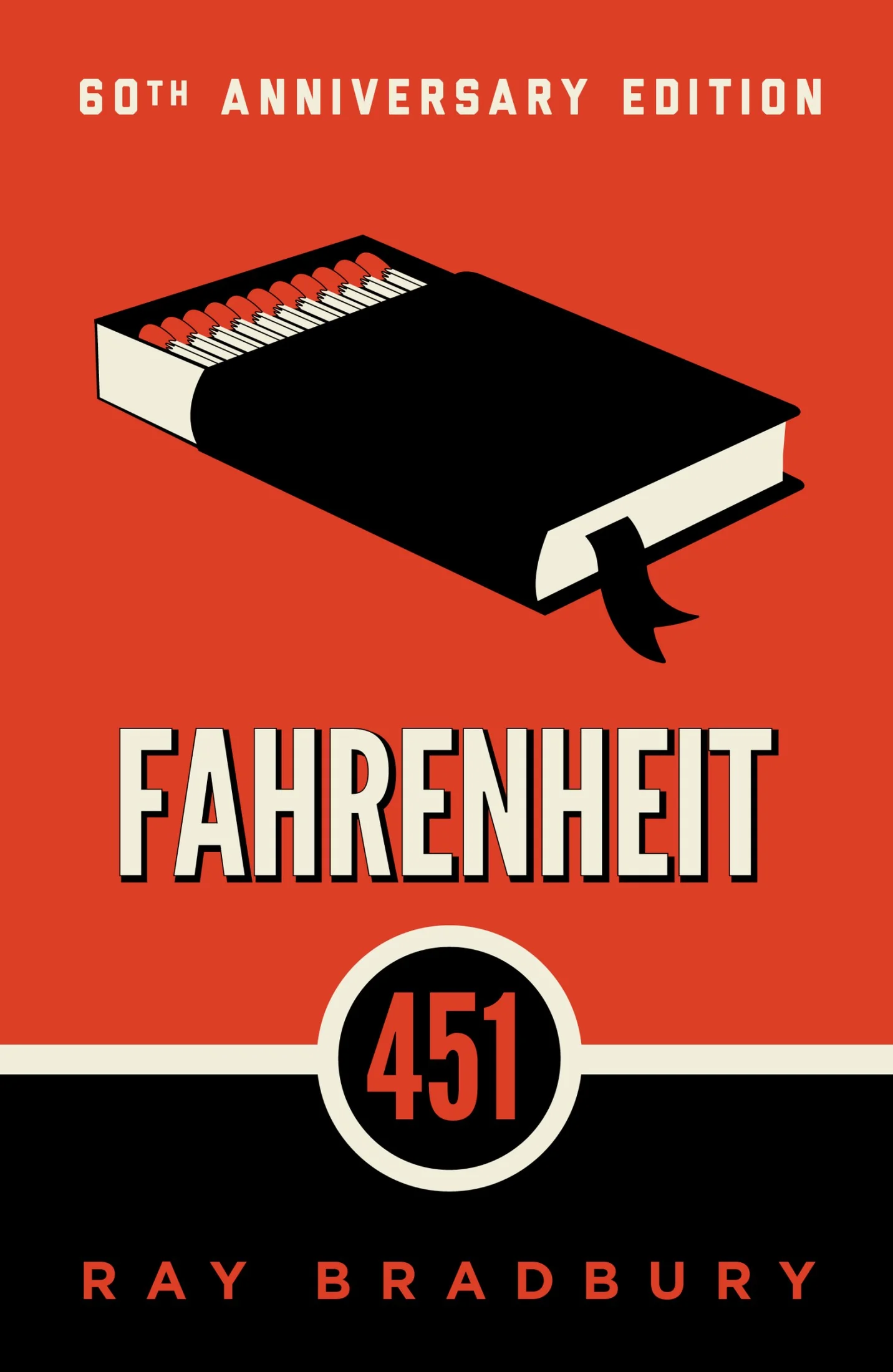
Fahrenheit 451
A fireman in a dystopian society who burns books begins to question his world when he meets a curious young woman, ultimately transforming from destroyer to preserver of knowledge in his quest for meaning and truth.
Overview
In a dystopian America where firemen ignite rather than extinguish fires, Guy Montag takes pride in his profession of burning books and the homes that harbor them. His world is one of enforced conformity, where literature is forbidden and citizens are pacified by wall-sized television screens and constant entertainment. Montag's unquestioned acceptance of this reality begins to crumble when he encounters Clarisse McClellan, a seventeen-year-old girl whose curiosity about the natural world and probing questions about happiness plant seeds of doubt in his mind. Her simple inquiry—whether he is truly happy—becomes the catalyst for a profound transformation that will ultimately destroy everything he once believed.
As Montag's awakening accelerates, his domestic life with his wife Mildred reveals the hollow core of their society. Mildred exists in a perpetual state of medicated numbness, absorbed in her television 'family' and disconnected from genuine human emotion. When Montag begins secretly collecting books from his fires, the tension between his growing hunger for knowledge and the suffocating demands of conformity intensifies. His attempts to share literature with Mildred and her vapid friends expose the vast chasm between intellectual curiosity and willful ignorance, while his relationship with his fire captain, Beatty, becomes increasingly fraught as the older man's erudite yet cynical speeches reveal both his knowledge of what has been lost and his commitment to its destruction.
The inevitable collision between Montag's transformation and the authoritarian system he once served erupts in violence and betrayal. Forced to confront the ultimate consequences of his rebellion, Montag must destroy not only his former life but also those who would preserve the status quo at any cost. His flight from the city leads him to a community of intellectual exiles who have preserved literature by memorizing entire works, becoming living books in a world that has forgotten the power of the written word.
Bradbury's masterpiece stands as both a warning against censorship and a meditation on the fragility of human connection in an age of technological distraction. Through Montag's journey from destroyer to preserver of knowledge, the novel explores how societies can gradually surrender their intellectual freedom in exchange for the illusion of happiness and security. The book's enduring relevance lies in its recognition that the greatest threats to human dignity often come not through overt oppression but through the seductive appeal of mindless entertainment and the comfort of unthinking conformity.
Main Characters
- Guy Montag - fireman who undergoes transformation from book-burner to rebel
- Clarisse McClellan - curious teenager who catalyzes Montag's awakening
- Mildred Montag - Montag's conformist wife absorbed in shallow entertainment
- Captain Beatty - Montag's erudite but cynical fire chief
- Professor Faber - former English teacher who becomes Montag's mentor
Central Themes
- Censorship and the suppression of knowledge
- Technology's dehumanizing effects on society
- The conflict between conformity and individual thought
Mood & Atmosphere
Dark and foreboding yet ultimately hopeful, with an atmosphere of suffocating conformity gradually giving way to liberation and renewal