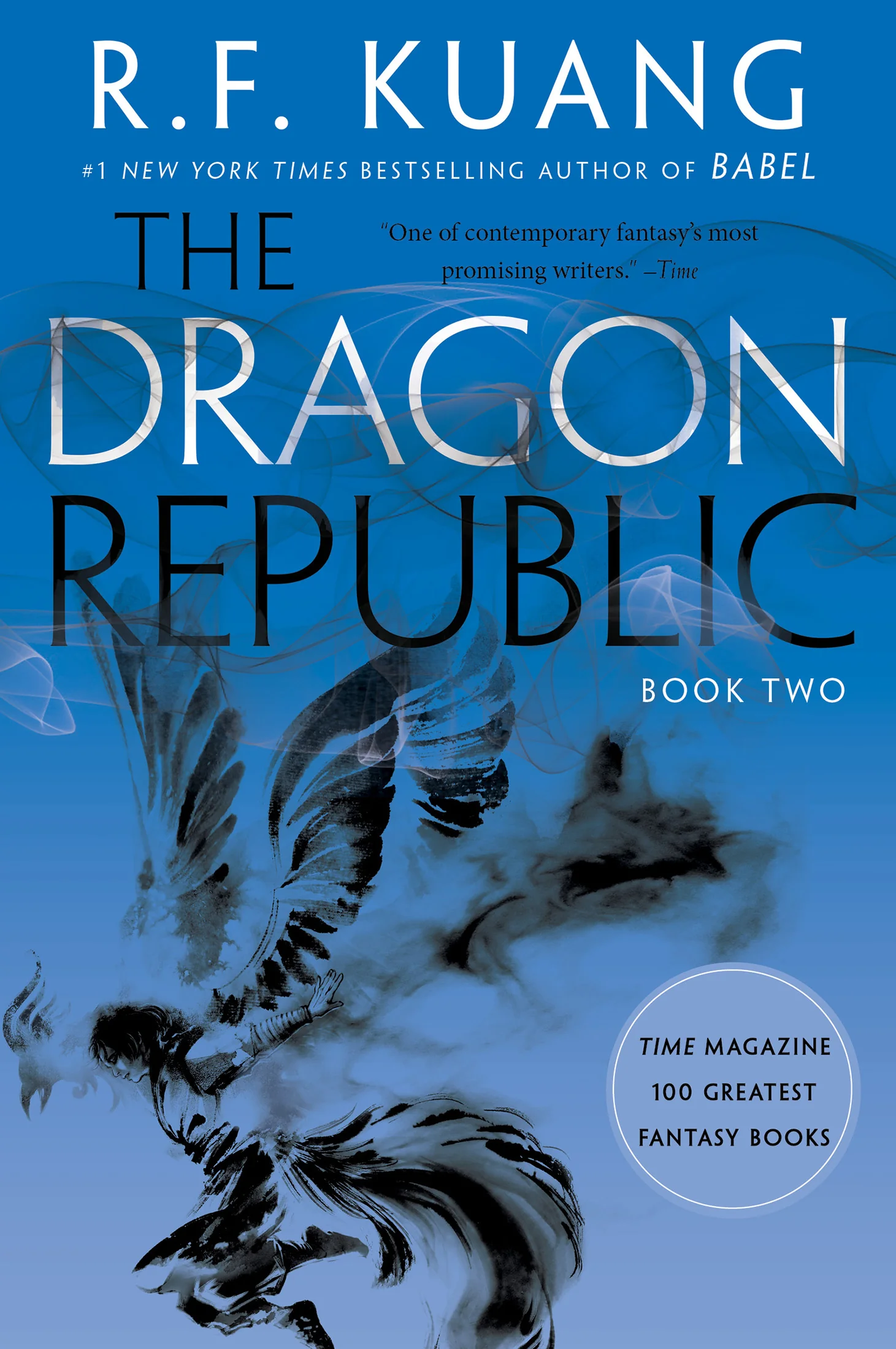
Prologue: Arlong, Eight Years Prior
Eight years before the main events, Nezha is entrusted with his six-year-old brother Mingzha while their father, Yin Vaisra, and two older brothers are away and their mother is ill. Mingzha persuades him to explore the forbidden grottoes of the Nine Curves River. Nezha knows the stories of monsters and treasures inside, but agrees to approach the caves without entering them.
They find Vaisra's dragon-embroidered cloak in the water. A huge serpentlike form suddenly rises, and Nezha is plunged underwater. The shallows become impossibly deep, revealing treasures and eyeless human faces on the cave floor. Nezha hears Mingzha scream but cannot reach him. When he surfaces, the river has returned to its normal depth. Mingzha is gone, his blood and flesh drifting through the water. Nezha finds his brother's golden anklet before a dark figure emerges and a voice addresses him. He screams. The opening establishes an unexplained childhood disaster without revealing the entity's identity.
Key Events
- Nezha agrees to approach the forbidden river grottoes with Mingzha.
- A supernatural disturbance pulls Nezha underwater and exposes a cavern of treasure and eyeless faces.
- Mingzha vanishes amid blood; a concealed being speaks to Nezha.
Characters Appearing
- Nezha
- Mingzha
Themes
- Childhood responsibility
- An unexplained supernatural threat
- Irreparable loss
Chapter 1
Three months after the Third Poppy War, Fang Runin, known as Rin, commands the surviving Cike aboard the Petrel. Declared traitors by the Empress, they want to kill Su Daji in revenge for her betrayal of the shamans and Altan's death. They work for the pirate ruler Chiang Moag, who has promised resources in exchange for thirty assassinations. Their last target, Adlaga magistrate Yang Yuanfu, has prevented the pirate queen from selling opium in the port city.
The Cike disguise themselves as Militia soldiers. Unegen scouts ahead, Qara prepares to attack from a distance, and Chaghan insists that civilians must be spared. Rin's opium withdrawal and intrusive Phoenix visions, including the destruction of Speer and the deaths she caused on Mugen, undermine her judgment. The public ceremony at which Yuanfu will appear draws a large crowd, frustrating the original plan. Rin's fury at civilians celebrating victory grows while her god urges her to burn them. Unegen tries to keep her calm until she sees Su Daji arriving in a palanquin. The unexpected encounter threatens to divert the assassination team from its assigned objective.
Key Events
- The Cike target Yang Yuanfu for Moag's thirtieth assassination contract.
- Rin's addiction and the Phoenix's intrusive memories threaten her control.
- Daji arrives unexpectedly at Adlaga's crowded victory parade.
Characters Appearing
- Rin
- Chaghan
- Qara
- Baji
- Suni
- Ramsa
- Unegen
- Aratsha
- Su Daji
Themes
- Revenge and hired violence
- Genocidal memory and trauma
- The obligation to protect civilians
Chapter 2
Rin attempts to reach Daji through Adlaga's crowd, ignoring Unegen's warnings. When Daji looks directly at her, she becomes absorbed in traumatic memories. Celebratory firecrackers trigger another crisis. Unable to distinguish the civilian crowd from dangers remembered from the war, Rin involuntarily manifests the Phoenix's flames.
Daji's guards rush in while the Empress is removed to safety. The Phoenix overwhelms Rin, and she burns Unegen, the fellow Cike member trying to protect her. Even after she recognizes what she is doing, she cannot stop. Chaghan uses a cloth soaked in laudanum to sedate her and extract her from the city. Imperial warning signals announce a manhunt.
In her drugged state, Rin relives the volcanic devastation she caused on Mugen, alternately dissociating from the victims and acknowledging that she wanted the destruction when she called her god. She begins laughing uncontrollably, then sobs. Her attempt on Daji fails, and the attack on Unegen exposes the terrible cost of her inability to direct the Phoenix.
Key Events
- Daji's presence and fireworks trigger Rin's uncontrolled shamanic attack.
- Rin nearly kills Unegen until Chaghan incapacitates her with laudanum.
- Daji escapes and the Militia begins pursuing the Cike.
Characters Appearing
- Rin
- Daji
- Unegen
- Chaghan
Themes
- Trauma and loss of control
- Responsibility for past atrocities
- Revenge endangering allies
Chapter 3
Rin awakens after several days of sedation to learn that Unegen suffered extensive burns. Enki remained behind to treat him, and both have left the Cike. Chaghan criticizes Rin's addiction and leadership, emphasizing that shamans protect one another partly by stopping those who become uncontrollable. Her conduct has placed the entire unit at risk.
The assignment nevertheless succeeded: during the disturbance, Suni killed Yang Yuanfu, and the Petrel is returning to Ankhiluun ahead of Imperial pursuers. Rin worries that the others will also abandon her. Baji, Suni, and Ramsa instead reaffirm their commitment, explaining that the Cike have few places where people with their powers and histories can belong. They remain determined to avenge Daji's betrayal, even while recognizing their commander is struggling.
Rin tries that night to resist the Phoenix without opium. Visions of the dead Altan and the destruction she caused overwhelm her, and she uses self-inflicted pain to interrupt them. The relief lasts only briefly. She finally returns to smoking opium, unable yet to reconcile her guilt, need for control, and dependence on the drug.
Key Events
- Unegen and physician Enki leave after Rin's attack.
- Suni successfully kills Yang Yuanfu, completing Moag's assignment.
- The remaining Cike stay, but Rin cannot withstand her visions without opium.
Characters Appearing
- Rin
- Chaghan
- Baji
- Ramsa
- Suni
- Qara
- Enki
- Unegen
Themes
- Mutual protection among shamans
- Addiction and self-injury
- Leadership and accountability
Chapter 4
In the floating city of Ankhiluun, Rin demands the supplies Moag promised for thirty killings. Moag's armed Black Lilies, including the provocative Sarana, control access to their ruler. Rin secures an audience by threatening Sarana but discovers that Moag can disregard the agreement without consequence. The pirate queen refuses to pay until the Cike sink the Heron, a ship whose popular captain she accuses of stealing profits. By arranging an ostensibly external attack, Moag can avoid a politically damaging trial or execution.
Rin reluctantly agrees because she has no independent means of supporting an assassination campaign. She also obtains the address of Chen Kitay, whom Moag keeps under house arrest as her accountant. Rin finds her old friend thin and emotionally transformed by the war. Kitay refuses to support a vendetta against Daji and condemns Rin's mass killing of Mugenese civilians.
Their argument becomes violent when Kitay holds Rin's palm over a lamp flame to make her confront the suffering of the people she burned. Rin notices self-inflicted burns on Kitay's arms, evidence of his attempt to imagine his victims' pain. Both remain traumatized, and their former friendship does not overcome their moral disagreement.
Key Events
- Moag refuses payment and demands that Rin sink the Heron as another assignment.
- Rin finds Kitay confined and working on Moag's accounts.
- Kitay burns Rin's hand to confront her about the suffering caused on Mugen.
Characters Appearing
- Rin
- Moag
- Sarana
- Baji
- Ramsa
- Suni
- Kitay
Themes
- Exploitation through unequal power
- Moral injury after mass killing
- Estrangement between friends
Chapter 5
The Cike sail the borrowed skimmer Caracel to attack Moag's ship Heron. Their discussions of Altan reveal competing memories of his mental decline, and Rin remains disturbed by recurring images of Speer and Mugen. Before they encounter the Heron, an unidentified warship called the Cormorant approaches. It moves impossibly quickly despite having no visible deck crew. Its metal-plated hull deflects the Caracel's cannon fire.
The attackers have specifically prepared to disable the Cike. They fire ink into the water to blind Aratsha, who powers the skimmer, then release opium gas to subdue the shamans. Rin realizes they have been deliberately targeted and concludes that Moag has sold them out. The Cike are bound to the mast and carried toward a much larger foreign-style warship called the Seagrim.
A general approaches and orders their release. He is Yin Nezha, whom Rin last saw apparently dying at Khurdalain. He now bears geometric scars across his face. Rin is stunned to discover that her former Sinegard rival and friend survived the Federation's captivity.
Key Events
- The Cormorant defeats the Cike using advanced ship design and weapons aimed at their shamanic vulnerabilities.
- The Cike are captured and taken to the Seagrim.
- Yin Nezha returns alive and orders their restraints removed.
Characters Appearing
- Rin
- Baji
- Ramsa
- Chaghan
- Qara
- Suni
- Aratsha
- Nezha
Themes
- Prepared military ambush
- Exploitation of shamanic weaknesses
- Survival and unexpected reunion
Chapter 6
Nezha explains that the Mugenese spared him for ransom after recognizing him as the Dragon Warlord's son. He was eventually exchanged following the Federation's defeat, though his face remains scarred. He takes Rin to the Seagrim, a formidable vessel using concealed paddle wheels and other naval innovations.
His father, Yin Vaisra, reveals that he paid Moag more than Daji had offered for the fugitives. He proposes overthrowing the Empress and establishing an elected republic to replace a fractured, poorly defended imperial system. Rin distrusts the prospect of taking orders again, but Vaisra offers resources, intelligence, and military protection she cannot obtain on her own. After consulting the Cike, she accepts the alliance, recognizing that they have little practical freedom to refuse.
Rin demands that Kitay be recovered from Ankhiluun. Nezha's troops stage an attack to make it appear that Kitay has died, bringing him aboard against his will. Kitay objects to the violent extraction and a civil war, remains loyal to his family's position in the imperial government, and refuses to become a rebel strategist. Rin and Nezha have regained an old companion but not his trust.
Key Events
- Nezha presents Rin to the Dragon Warlord, who proposes a republican uprising.
- The Cike join Vaisra because his army offers their only plausible route to Daji.
- Nezha extracts Kitay from Moag's city, but Kitay refuses the rebellion.
Characters Appearing
- Rin
- Nezha
- Vaisra
- Eriden
- Chaghan
- Baji
- Ramsa
- Kitay
Themes
- Revolution and coercion
- Strategic use of exceptional individuals
- Conflicting loyalties
Chapter 7
Rin finds that Vaisra has forbidden the Seagrim's physician to supply her with opium. She begs for relief and threatens the ship, but he strikes her and insists that she learn discipline if she wants to fight for him. The withdrawal is agonizing. Nezha tries to distract her, and Suni intervenes when her despair leads her toward drowning herself. Rin begins to view Vaisra's coercive control as the structure she has lacked since Altan's death.
Traveling upriver, she sees starving refugees and devastated villages, proof that defeating the Federation did not end the suffering. Nezha blames Daji for a dam breach that drowned entire communities. Rin knows that Chaghan and Qara carried out the flooding under Altan's orders. The twins warn her to conceal the truth from their new allies.
After seven days Rin's physical withdrawal subsides, and she regains some ability to call and shape the Phoenix's fire without losing control. Vaisra praises her and gives her Altan's trident, recovered from the Chuluu Korikh. Her improved concentration is genuine, but so is the growing importance of his approval in her sense of worth.
Key Events
- Vaisra forces Rin to stop using opium; Suni helps her endure withdrawal and despair.
- Rin conceals the Cike's responsibility for a deadly dam breach from the Dragon Army.
- Rin regains limited fire control and receives Altan's recovered trident.
Characters Appearing
- Rin
- Vaisra
- Nezha
- Suni
- Chaghan
- Qara
- Kitay
Themes
- Trauma and coerced abstinence
- Hidden responsibility for civilian deaths
- Dependence on external authority
Chapter 8
Captain Eriden trains Rin for a confrontation with Daji, whose gaze can impose illusions and whose poisoned needles make even close combat dangerous. Rin must learn to fight without looking at her opponent's face. Her months of opium use have left her physically weakened, although a small, controlled flame gives her a tactical advantage.
Vaisra's plan is to present Rin at the Warlords' summit in the Autumn Palace as a bound, sedated criminal. She must actually receive opium before entering, then wait until the drug wears off before attacking Daji. The other Cike will infiltrate the palace waterways as reinforcements. At Lusan, Rin is offended by the imperial court's wealth amid national starvation.
Kitay learns from an imperial official that his father, Defense Minister Chen, died during the war. Angrily accepting that he cannot return to the old order, he demands strategic authority in Vaisra's army. Vaisra then seeks the support of Ang Tsolin, Snake Warlord and his former teacher, but Tsolin refuses to inflict another war on his exhausted province. Vaisra plans to force the neutral Warlord to take sides and warns Rin that the coup's success depends on her killing the Empress.
Key Events
- Rin trains to resist Daji's hypnosis and prepares a staged sedation for the palace meeting.
- Kitay learns of his father's death and demands a command position.
- Ang Tsolin rejects the rebellion, increasing pressure on the assassination mission.
Characters Appearing
- Rin
- Eriden
- Vaisra
- Nezha
- Kitay
- Tsolin
Themes
- Coercion disguised as political choice
- Wartime privilege and scarcity
- The fragility of assassination plans
Chapter 9
Rin enters the Autumn Palace in restraints, posing as Vaisra's sedated prisoner. The Warlords discuss ruined infrastructure, refugees, and food shortages without meaningful agreement, while treating Rin as a valuable captive. Daji eventually takes her to a private garden through hidden passageways. There she shows Rin an unrepaired section of the palace destroyed by Hesperian invaders, warning that the western Consortium poses a danger greater than Nikan understands.
Daji acknowledges making territorial concessions to the Federation to avert what she believed would be a still worse invasion, but denies intending the devastation that followed. She accuses Vaisra of exploiting Rin and offers to help her control the Phoenix. Rin refuses to trust her and attacks when the opium wears off. Daji's goddess Nüwa defeats Rin's resistance through overwhelming psychic force and illusions of a restored Speer and a living Altan.
Chaghan enters the spiritual confrontation and breaks the immediate illusion, allowing escape under cover of Ramsa's explosives. Rin refuses to abandon Vaisra, returns to the council room, and fights beside Baji and Suni. Jun wounds Vaisra, but they carry him through the underground waterways with Aratsha's help. Daji survives, yet the attack initiates the civil war Vaisra intended to start.
Key Events
- Daji explains her accommodation with the Federation and warns of the Hesperian Consortium.
- Nüwa traps Rin in illusions until Chaghan intervenes.
- Rin saves the wounded Vaisra, and the Cike escape the Autumn Palace with their coup unsuccessful.
Characters Appearing
- Rin
- Daji
- Vaisra
- Jun
- Chaghan
- Baji
- Suni
- Ramsa
- Aratsha
- Nezha
Themes
- Competing accounts of political necessity
- Exploitation of grief and desire
- The beginning of civil war
Chapter 10
The Seagrim flees Lusan while Vaisra is treated for his wound. Rin, Chaghan, and Qara are shaken by the power of Daji's goddess. Chaghan admits that he disrupted Nüwa only briefly and that a prolonged confrontation could trap their minds. Rin is embarrassed that both twins witnessed Daji's illusions about Altan, but they understand her feelings for him.
Vaisra survives the immediate crisis. Nezha predicts that Ang Tsolin's coastal ships will allow the rebels safe passage because the war now forces formerly neutral provinces to decide between Vaisra and Daji. Rin also learns that Vaisra and Nezha knew of Defense Minister Chen's death for weeks and delayed telling Kitay until the news could come from an independent official. Nezha regards the deception as prudent recruitment.
Vaisra asks Rin why she rescued him despite the failure of the assassination. She struggles to explain her need for purpose and an authority figure capable of directing her after Altan's death. Vaisra argues that power as great as hers makes neutrality impossible and that she must accept the suffering that comes with war. His words reinforce her commitment to the rebellion.
Key Events
- Vaisra survives, while Chaghan describes the danger of Nüwa's shamanic power.
- Nezha reveals the deliberate withholding of the news of Kitay's father's death.
- Rin recommits to Vaisra after he insists she cannot remain neutral.
Characters Appearing
- Rin
- Chaghan
- Qara
- Nezha
- Vaisra
- Eriden
- Kitay
Themes
- Authority and psychological dependence
- The manipulation of private grief
- The limits of resisting Nüwa
Chapter 11
The Dragon Army returns to Arlong through its guarded Red Cliffs, where steep geography and narrow waterways give Vaisra an unusually defensible base. Nezha introduces Rin to the city's history and his family's military establishment. His older brother Jinzha treats her as a dangerous and inferior asset. When Rin attempts to summon the Phoenix during their confrontation, she experiences searing pain and unfamiliar symbols instead of fire.
Chaghan helps investigate through a spiritual trance. They discover that Daji planted a Seal during the encounter at Lusan, blocking Rin's access to the Pantheon and threatening to erode memories connected to the Phoenix. Inside the Seal, Rin sees an illusion of the living Altan and cannot destroy it. The experience also exposes Chaghan's emotionally charged memories of Altan. Neither can remove the Seal, and they part in anger.
Eriden orders Rin to conceal her loss of power and remain a visible deterrent for Vaisra. She later meets Venka, a former Sinegard classmate recovering from sexual violence and captivity during the war. Venka describes injuries that impair her left hand, conflict with her father, and her decision to end a pregnancy despite Lady Saikhara's religious opposition. Venka refuses to accept that Rin is useless without fire and reminds her that she can still fight with ordinary weapons.
Key Events
- Daji's Seal prevents Rin from summoning the Phoenix.
- Chaghan's attempt to remove it fails and reveals memories of Altan.
- Rin reunites with Venka, whose experience challenges her belief that a soldier without fire has no value.
Characters Appearing
- Rin
- Nezha
- Kitay
- Jinzha
- Chaghan
- Venka
- Eriden
Themes
- The loss of a supernatural identity
- Trauma and bodily autonomy
- The hierarchy of military usefulness
Chapter 12
The attack on the Autumn Palace inspires the southern Warlords of Rooster, Boar, and Monkey provinces to declare independence. They attend Vaisra's councils but hesitate to commit troops, each wary of placing his soldiers under someone else's authority. Nezha's father wants to unify their armies, but Jinzha's proposed command of the fleet provokes resentment, and Kitay objects to the delay while Daji strengthens the north. Ang Tsolin eventually joins after the Empress's forces threaten his family, bringing intelligence and a strategically valuable fleet.
Unable to call the Phoenix because of Daji's Seal, Rin rebuilds her strength by sparring with Nezha. She remains attached to Altan's trident despite its awkward proportions and secretly tries to break the Seal, repeatedly failing when a vision of Altan confronts her. Nezha questions her idealization of Altan and reminds her of his brutality, causing a rift.
The council finally decides to impose a grain blockade on the north, enlisting Moag to prevent coastal deliveries. Jinzha boasts that he previously sent Hare Province defective seed, leaving its population vulnerable to famine. Kitay objects to a strategy that could starve civilians and argues for an immediate offensive before winter. Vaisra silences him. Only when Hesperian aircraft arrive from the west does Rin realize that Vaisra's delay also served his plan to obtain foreign support.
Key Events
- Southern Warlords declare independence, and Ang Tsolin joins after threats to his family.
- Rin rebuilds her fighting skills but cannot break Daji's Seal or relinquish Altan's weapon.
- The council chooses a grain blockade while Vaisra awaits Hesperian aid.
Characters Appearing
- Rin
- Nezha
- Kitay
- Vaisra
- Jinzha
- Ang Tsolin
Themes
- Alliance-building and political self-interest
- A famine used as a weapon
- Grief and identity without supernatural power
Chapter 13
Three Hesperian airships land in Arlong carrying General Josephus Tarcquet, a detachment of armed soldiers, missionaries of the Gray Company, and Nezha's mother, Lady Saikhara, who arranged the mission. Saikhara orders an attack on Rin, and Hesperian soldiers shoot arquebuses and restrain her. Nezha insists that they have come to negotiate military aid, not capture her, but acknowledges that the foreigners want access to the shaman responsible for Mugen's destruction.
Vaisra's negotiations reveal that Hesperia will not intervene immediately. The Consortium wishes to evaluate the Republic's military and political viability, and study what it regards as supernatural Chaos. Despite flashbacks to Dr. Shiro's experiments, Rin agrees to one hour of supervised investigation per week in exchange for her side's access to the Hesperians, setting conditions about touching and leaving.
The Gray Company scientist Sister Petra measures Rin's body, offers laudanum, and questions her belief in the gods. Petra describes the Divine Architect as a rational creator opposed by Chaos, which she equates with evil, disease, and shamanism. Her scientific vocabulary accompanies explicit assertions of western superiority. After leaving Petra's examination room, Rin breaks down, recognizing how the supposedly voluntary arrangement has reproduced the helplessness of her captivity. She rationalizes her cooperation as a form of atonement and keeps the extent of her distress from the others.
Key Events
- Lady Saikhara returns with Hesperian envoys, whose soldiers attack and temporarily detain Rin.
- Vaisra secures negotiations but no immediate troops; Rin reluctantly consents to recurring examinations.
- Sister Petra frames shamanism as Chaos and promises to eliminate it while treating Rin as an experimental subject.
Characters Appearing
- Rin
- Nezha
- Vaisra
- Lady Saikhara
- Tarcquet
- Petra
- Jinzha
Themes
- Unequal foreign assistance
- Racism and religious claims to scientific authority
- The reenactment of medical trauma
Chapter 14
Dead fish and other river animals wash into Arlong as poison spreads through the Murui. The Cike find Aratsha barely alive in human form; his body breaks apart and dissolves, leaving a necklace and the loss of the team's water shaman. The poisoning has also hospitalized Republican soldiers and threatens irrigation and crops throughout the southern provinces. Kitay warns that even where drinking wells remain safe, contaminated fields may produce a devastating famine.
The leadership concludes that the poison was introduced upstream, likely under Daji's orders, to counter the Republic's grain blockade. Tsolin and Kitay insist that waiting is no longer viable. The Hesperian delegation refuses food aid or combat assistance until the Republican Army demonstrates that it can win. Vaisra launches the northern offensive, splitting the fleet between an inland advance through Hare Province and a coastal campaign led by Tsolin.
Rin and the surviving Cike receive orders to sail on Captain Salkhi's Swallow, a fast skimmer tasked with locating the poisoning source. Kitay joins the party, offering a tentative reconciliation with Rin. Venka tries to enlist and presents an experimental repeating crossbow, but Nezha refuses to allow her into combat because of her injuries. She angrily demonstrates her accuracy before being left behind. The Swallow departs with a clear order to find and destroy the poison operation.
Key Events
- Poison kills aquatic life and the Cike's water shaman Aratsha.
- Kitay identifies a threat to the south's crops and supplies, forcing a military offensive.
- The Swallow sets out to find the source while Venka is refused permission to serve.
Characters Appearing
- Rin
- Aratsha
- Baji
- Ramsa
- Suni
- Vaisra
- Kitay
- Nezha
- Venka
- Salkhi
- Tarcquet
Themes
- Environmental warfare and food security
- The loss of a comrade
- Who is permitted to fight
Chapter 15
The Swallow follows western tributaries into Hare Province seeking the source of the poison. Kitay discovers that the chemical has been carried downstream in pig bladders, which release their contents after a delay. The Cike locate an old Hesperian mission where workers have been butchering pigs and dispensing the poison into the river. Kitay disregards Captain Salkhi's order against engagement and engineers a diversion so the Cike can enter the weakly guarded facility.
Inside, they find abandoned meat, barrels of liquid poison, and canisters of Federation gas. Their former Sinegard classmate Niang reveals that she adapted the weapons herself in retaliation for the Republic's threatened blockade of the north. She also confronts Rin with a devastating possibility: some Nikara prisoners of war, including Niang's brothers, were held on Mugen when Rin destroyed it. Kitay shoots Niang as she threatens them with a canister; its contents spill, killing her as they escape. The unit burns the installation.
Kitay breaks down afterward, horrified by Niang's death and unable to escape his memories of Golyn Niis. His trauma exposes how the civil war has forced former classmates to fight one another. Back with Jinzha's fleet, the captured guards are tortured and killed in a public demonstration. Nezha objects, while Kitay bitterly understands the spectacle as an attempt to reassure soldiers after the poisoning. The Cike's successful raid has not resolved the moral injury of the war.
Key Events
- The Cike trace delayed-release chemical pods to a converted mission building.
- Kitay kills Niang, who admits deliberately poisoning the river in retaliation for the blockade.
- Jinzha publicly tortures captured guardsmen after the operation.
Characters Appearing
- Rin
- Kitay
- Niang
- Baji
- Suni
- Ramsa
- Salkhi
- Jinzha
- Nezha
Themes
- Retaliatory attacks on civilians
- Friends becoming enemies
- The normalization of public torture
Chapter 16
Jinzha transfers Rin, Kitay, and the Cike to his armored flagship Kingfisher, bringing Rin into closer contact with the Hesperian observers and Sister Petra. The fleet attacks the underdefended Hare Province town of Radan without offering terms. Jinzha's missiles destroy its improvised defensive boats, and his soldiers hold the men at sword point while the civilian population spends the night fearing execution. The intended lesson is that resistance brings catastrophe.
In the morning Jinzha stages a vote on whether Radan will join the Republic, but the citizens know refusal may mean death. The city overwhelmingly chooses membership, after which Republican troops impose martial law and confiscate grain. Sister Petra's Gray Company missionaries use the conquered civilians as an audience, and she tells Rin that the Nikara are biologically and intellectually inferior and require Hesperian guidance. The compassionate novice Brother Augus tries to give hungry civilians his rations, but is forbidden to undermine his hosts.
The Republican fleet continues winning easy victories and spreads its forces thin while holding captured towns. Kitay notices that communities are flying Dragon Province's emblem rather than a flag for an independent republic. During a storm that halts the advance, Rin spends time with the remaining Cike. She conceals their abilities from the foreigners and hears Chaghan's unresolved grief for Altan while increasingly contemplating Petra's explanation of Chaos as a way to make sense of her own actions.
Key Events
- Jinzha subdues Radan and coerces its citizens into voting for the Republic.
- Petra's missionary activity exposes her overt racial hierarchy, and Augus is punished for trying to feed civilians.
- The fleet expands through Hare Province while Rin shelters the remaining shamans from Hesperian scrutiny.
Characters Appearing
- Rin
- Jinzha
- Kitay
- Nezha
- Petra
- Augus
- Baji
- Ramsa
- Chaghan
- Qara
Themes
- The coercion behind nominal democratic choice
- Racist science and missionary paternalism
- Cike solidarity under surveillance
Chapter 17
After a storm, the Republican Fleet advances toward Xiashang, the fortified capital of Ram Province. Its packed-earth walls resist conventional artillery, and Jinzha rejects a prolonged siege. Rin proposes feigned weakness to lower the enemy's guard. Kitay conducts an intentionally clumsy negotiation with Ram Warlord Tsung Ho while a disguised smuggling vessel carries Cike soldiers into the city. When the gates remain closed, the fleet attacks and suffers heavy losses from entrenched archers. Rin improvises an assault using a hoisted rowboat as cover and Ramsa's explosives to gain a position on the walls.
The battle reveals that the Ram Warlord has accepted Federation soldiers within the city's defense. Rin becomes enraged by the collaboration. She storms the Warlord's residence with Baji, takes his infant son hostage to force him out, and brutally beats Tsung Ho. After the city falls, Rin demands the execution of captured Federation soldiers and Nikara troops who cooperated with them. Jinzha refuses mass executions and the other officers reject her position. Rin attacks Jinzha in a rage and is restrained.
Jinzha demotes Rin to an unranked soldier and disbands the Cike as an independent unit, reassigning its members. Nezha explains her punishment while she is drunk and despairing over her inability to summon fire. She argues that common people who submit to invaders should not be permitted to vote and increasingly doubts the Republic's democratic promise. Nezha defends educating and developing the population, but their disagreement exposes the class and political divisions between them.
Key Events
- Rin and Kitay devise a deception to enter heavily fortified Xiashang; the battle exposes Federation soldiers fighting alongside Ram Province.
- Rin takes the Warlord's infant hostage and demands mass executions of collaborators.
- Jinzha demotes Rin and dissolves the Cike after she attacks him.
Characters Appearing
- Rin
- Kitay
- Jinzha
- Nezha
- Baji
- Ramsa
- Tsung Ho
Themes
- Civilian protection and collective punishment
- The consequences of unchecked rage
- Democracy and entrenched hierarchy
Chapter 18
Ramsa is devastated when Rin reveals that Jinzha has disbanded the Cike and reassigned its members. He reminds her that their loyalty was to one another, not simply to Vaisra's pay, but Rin dismisses the group and tells him to obey orders. The Republican fleet steadily conquers the rest of Hare and Ram Provinces. Local people vote for the Republic under threat of execution, are conscripted or put to work, and supply grain for the northern campaign. Rin's loss of command allows her to focus on fighting as an ordinary soldier. She begins to take satisfaction in conventional combat without the Phoenix, but loses touch with the shamans she once led.
Kitay questions why Daji has offered so little resistance and warns that a counteroffensive is likely. The onset of winter leaves the expedition facing a difficult choice between securing existing territory and advancing before the rivers freeze. Sister Petra's examinations become more intrusive and degrading as Rin fails to demonstrate fire. Petra threatens to restrain her, takes blood, and tries to provoke a response with opium. The young missionary Augus comforts Rin, although even his kindness assumes that Nikara people are inferior. Rin hides a packet of opium but does not yet take it.
After Tarcquet's soldiers shoot prisoners who seized missionaries as hostages, Jinzha is forced to acknowledge Hesperian authority aboard his own flagship. The fleet then enters Rat Province. Its intelligence officers have evacuated settlements, destroyed food stocks, and harassed the Republicans on land. Jinzha refuses Kitay's advice to withdraw and insists that the fortified capital of Baraya can still be taken.
Key Events
- Ramsa rejects Rin's acceptance of the Cike's dissolution, while the Republic conscripts conquered communities.
- Petra intensifies degrading examinations; Augus shows limited sympathy within the Company's racial hierarchy.
- The advance reaches prepared defenses in Rat Province, but Jinzha refuses to retreat.
Characters Appearing
- Rin
- Ramsa
- Kitay
- Petra
- Augus
- Jinzha
- Nezha
- Tarcquet
- Chaghan
Themes
- The erasure of chosen family
- Colonial domination through scientific authority
- The cost of strategic overextension
Chapter 19
During a New Year's pause in Rat Province, Rin, Nezha, and Kitay make a modest meal together and debate whether military progress can justify the deaths that produce it. Rin raises the possibility of shamanic armies, but Nezha reacts with unease. Later, while walking in the snow, Rin discovers a dead child and then an entire village frozen where its inhabitants collapsed. Kitay concludes that they fled the approaching Republicans and died in the winter conditions. The discovery forces Rin to acknowledge that the rebels are now aggressors whom civilians fear, not simply defenders against foreign invaders.
Winter worsens and threatens to trap the fleet. Kitay argues that Jinzha should turn south, but Jinzha instead orders an advance toward the Boyang military position despite the likely presence of the Imperial Navy. Nezha admits that his brother is trying to prove himself to their father and the Hesperians.
At the entrance to the mountain waterways, Kitay detects explosives concealed in apparently harmless lanterns bearing a surrender offer. The fleet switches to a secondary passage but triggers mines planted beneath the water. Several ships explode, and the retreat becomes chaotic. Nezha unexpectedly raises an enormous barrier of water around the Griffon, shielding the fleet from the final explosions. Rin sees his eyes change color as he exerts a power that can only be shamanic, and he collapses from the effort.
Key Events
- Rin discovers a village whose residents froze while fleeing the Republic's advance.
- Jinzha rejects retreat and presses toward Boyang despite Kitay's warnings.
- Underwater mines devastate the fleet, and Nezha manifests the ability to raise a protective wall of water.
Characters Appearing
- Rin
- Kitay
- Nezha
- Jinzha
- Tarcquet
Themes
- Civilians killed by fear and displacement
- Pride overruling strategy
- Nezha's concealed supernatural ability
Chapter 20
Kitay determines that the Militia placed waterproof fuses inside animal intestines to create underwater mines. Jinzha uses captive swimmers under threat of execution to locate and neutralize them, while the exhausted fleet races toward Boyang. Kitay warns that the lake's winter drawdown will restrict the Republic's large warships and that the Imperial Navy is ready. Jinzha slaps Nezha for publicly disagreeing with him and insists on winning a decisive battle to avoid humiliation before Vaisra and the Hesperians. Rin recognizes the same destructive pride she witnessed in Altan.
Chang En, the Wolf Meat General who commands the improvised Imperial Navy, rejects a final offer of surrender. His smaller vessels swarm the Republicans, exploit the shallow waters, and board the tower ship Crake. Rin unsuccessfully attempts to protect Captain Salkhi with mounted crossbow fire and witnesses Chang En kill her. The seized Crake begins firing on its former allies.
A figure Rin recognizes as Feylen, the Wind God released from the Chuluu Korikh, appears above the Imperial ships. He kills Admiral Molkoi, strips apart the Kingfisher, and torments Rin while insisting that Daji ordered him not to kill her. Chaghan tries to contain Feylen psychically but is defeated; he and Qara are thrown into the lake. Nezha watches without intervening. When Rin and Kitay fall into the water, they are pulled toward a waterfall. Rin catches a rope but it goes slack after Jinzha appears at the ship's edge. Unable to hold on, she and Kitay are swept over the falls.
Key Events
- Kitay identifies the underwater mines, but Jinzha commits the weakened fleet to Boyang.
- Chang En's Imperial vessels capture the Crake and kill Captain Salkhi.
- Feylen devastates the fleet, defeats Chaghan, and Rin and Kitay are swept over a waterfall.
Characters Appearing
- Rin
- Kitay
- Jinzha
- Nezha
- Chang En
- Salkhi
- Feylen
- Chaghan
- Qara
- Molkoi
- Ramsa
Themes
- Command decisions driven by pride
- Shamanic power overwhelming conventional defenses
- The collapse of the Republic's northern advance
Chapter 21
Qara revives Rin on a riverbank below Boyang. Kitay and Chaghan have also survived, but the fate of the other Republicans and Cike remains uncertain. Chaghan believes Daji has frightened or compelled the unpredictable Feylen into serving her. Rin helps build a separate fire for a small group of surviving Hesperian missionaries, including the injured Augus, whose shock makes them wary of Nikara assistance.
Rin and Chaghan quarrel bitterly about Altan. He accuses her of repeatedly surrendering her judgment to forceful commanders, first Altan and now Vaisra, and of contributing to Altan's death. She attacks him, but Kitay interrupts when mounted warriors surround the camp. Their leader Bekter is Chaghan and Qara's hostile cousin. The Ketreyid riders communicate through images and commands transmitted directly into the mind; they have come south hunting Feylen.
Their leader, the Sorqan Sira, arrives and reveals that Chaghan and Qara's mother Kalagan helped establish the Cike as an experiment in Nikara shamanism. The Ketreyids once taught the young Trifecta to reach the gods, but Riga, Daji, and Jiang used that knowledge to expand their power and destroy a Ketreyid community. Through a vision Rin sees Jiang murder the Sorqan Sira's daughter Tseveri and hears her warning that the three linked shamans will eventually destroy one another.
The Sorqan Sira initially orders Rin's death, but Rin argues that their shared hatred of Daji makes her useful. Examining Rin's mind, the elder recognizes Daji's large Seal as evidence that the Empress fears Rin's power. She changes course and offers to remove it.
Key Events
- Rin, Kitay, and the twins survive Boyang and encounter Ketreyid riders hunting Feylen.
- The Sorqan Sira reveals the Cike's origin and shows Rin the Trifecta's violent betrayal of the Ketreyids.
- Recognizing Daji's Seal as a sign of fear, the Sorqan Sira decides to free Rin rather than kill her.
Characters Appearing
- Rin
- Kitay
- Chaghan
- Qara
- Bekter
- Sorqan Sira
- Daji
- Jiang
- Riga
- Altan
- Augus
Themes
- The political exploitation of divine knowledge
- The history of betrayed alliances
- Trauma and submission to authority
Chapter 22
The Sorqan Sira prepares a dangerous sweat ritual to expel Daji's Seal from Rin's mind. Shut inside a felt-covered yurt with heated stones and steam, Rin struggles against suffocation and enters a spiritual confrontation with the memories of Altan on which the Seal has preyed. She sees not only the comforting version of the commander she wishes had survived, but also his anger, manipulation, and the pain he inflicted. The ritual forces her to confront her attachment to a man whose approval had come to define her worth. She finally relinquishes the fantasy of keeping him alive and grieves his death without relying on opium.
The Sorqan Sira extracts a black clot she identifies as Daji's spiritual venom and declares Rin free of its corrosive influence. Rin emerges exhausted and finds a dark handprint on her chest, a reminder of Altan's hold over her. Yet when the elder instructs her to summon fire, Rin feels only a brief trace of the Phoenix. The Seal still blocks access to the Pantheon. Although its capacity to consume Rin's mind appears neutralized, the ritual has not restored her power. Rin collapses in frustration at the distinction between surviving Daji's curse and overcoming it.
Key Events
- The Sorqan Sira conducts a perilous steam ritual that confronts Rin with memories of Altan.
- The elder extracts Daji's spiritual venom, and Rin begins to recognize her grief and Altan's mistreatment.
- The remaining Seal continues to block Rin's fire despite the apparent end of its mental corruption.
Characters Appearing
- Rin
- Sorqan Sira
- Kitay
- Chaghan
- Altan
Themes
- Grief without idealization
- Psychic manipulation and recovery
- The difference between healing and regained power
Chapter 23
The Sorqan Sira explains that Daji's Seal has been neutralized but cannot be removed completely. Because Rin cannot reach the Phoenix through her own mind, another person's soul could serve as a conduit. The elder proposes an anchor bond like the one shared by Chaghan and Qara. Such a bond would join Rin and Kitay so deeply that they would share bodily pain and danger, and one could die if the other died. Rin fears exposing Kitay to a god she considers destructive, but he insists that their survival and the military struggle demand the risk.
The Sorqan Sira performs the bonding ritual. Kitay experiences the spiritual forces Rin has struggled with, and their newly linked consciousness makes him a barrier between her and the Phoenix's compulsions. When Rin summons a flame, it answers without the previous overwhelming loss of control. She can direct it with precision, but Kitay feels the physical consequences of her exertion and must share the risks of her decisions.
Qara reassures Rin that her own closeness to Chaghan has not erased her individuality, though Rin is uneasy because Kitay often disagrees with her. The friends find that their ability to work together has acquired a permanent and demanding cost. Chaghan also explains that he and Qara have never been fully accepted by their Ketreyid kin, despite having spent years overseeing Nikara shamans.
Key Events
- Kitay volunteers to be spiritually anchored to Rin, despite the prospect of shared pain and death.
- The completed bond lets Rin summon and control the Phoenix through Kitay while Daji's Seal remains.
- Rin worries that the bond might overwhelm Kitay's independent judgment, and Qara describes her link with Chaghan.
Characters Appearing
- Rin
- Kitay
- Sorqan Sira
- Qara
- Chaghan
Themes
- Voluntary sacrifice and mutual dependence
- Control of supernatural power
- The limits of individual autonomy
Chapter 24
The Sorqan Sira agrees to release Rin and Kitay, warning that the anchor bond also gives the Ketreyids a way to stop Rin if she becomes dangerous. Rin speaks privately with Chaghan, who is to return north with his sister because the elders no longer trust them to supervise the Cike. They discuss Altan and Rin's dependence on commanders. Chaghan argues that she must eventually find a reason to live beyond revenge and Vaisra's promises.
Before the travelers can depart, shots sound in the Ketreyid camp. Brother Augus and the Gray Company missionaries have been released and armed by Bekter, the Sorqan Sira's son. Bekter wants revenge for the Trifecta's killing of his sister Tseveri and resents his mother's willingness to tolerate Nikara shamans. His riders refuse the Sorqan Sira's order to shoot the missionaries, exposing an organized coup. Augus, terrified of the shamans and guided by his religious convictions, shoots the Sorqan Sira. He then fires at Chaghan; Qara throws herself into the bullet's path and is mortally wounded. Rin burns Augus to death.
As Qara dies, she performs a final spiritual exchange with Chaghan that allows him to survive the severing of their bond. Bekter escapes and claims that Rin killed his mother. Chaghan realizes Bekter will now lead the Ketreyids against the Naimads. Rin and Kitay give him their horse so he can ride north to warn his people, leaving them to find another way south.
Key Events
- Bekter engineers a coup by freeing and arming the Gray Company missionaries against his mother.
- Augus kills the Sorqan Sira and shoots Qara as she protects Chaghan; Rin kills Augus.
- Chaghan survives Qara's death, and Rin gives him the horse to warn the Naimads about Bekter.
Characters Appearing
- Rin
- Kitay
- Chaghan
- Qara
- Sorqan Sira
- Bekter
- Augus
Themes
- Revenge repeated across generations
- Religious violence and military technology
- The loss of a spiritual twin
Chapter 25
Rin and Kitay spend nearly a month returning south by river, while Rin practices fire with her recovered control. Kitay can feel her exertions through their bond, forcing her to consider how her power affects another person. Their route eventually brings them back to Arlong, where they discover that much of the northern expedition has survived but that Jinzha has not returned from Boyang. Vaisra, still anticipating Hesperian support, restores Rin's command of the Cike and a seat in military councils after she demonstrates her fire. He is alarmed to hear that Augus killed the Sorqan Sira and orders Rin to conceal the event from the Hesperians, whose allegiance remains uncertain.
Nezha meets Rin privately and explains the childhood incident in the grotto shown in the prologue. The dragon killed and devoured his younger brother Mingzha, then claimed Nezha against his will. A painful dragon mark binds Nezha to the creature, which keeps him alive and heals his wounds but seems to want him permanently imprisoned beneath the river. His inability to die, even when he has attempted to kill himself, is a curse rather than the gift Rin imagines.
Rin argues that Nezha should have used his water power to save soldiers at Boyang. He accuses her of treating her own abuse as the standard by which everyone else must suffer, and their argument turns cruel when he disparages shamans and Altan. Their fragile affection fractures. Back with the Cike, Rin learns that thousands of southern refugees have flooded Arlong while she was away.
Key Events
- Rin returns to Arlong, demonstrates controlled fire, and regains command of the Cike.
- Nezha reveals that a dragon devoured Mingzha and bound him to an agonizing, involuntary form of immortality.
- Rin and Nezha quarrel over shamanic suffering and duty as the refugee crisis becomes visible.
Characters Appearing
- Rin
- Kitay
- Vaisra
- Nezha
- Chaghan
- Baji
- Ramsa
- Suni
Themes
- Control and shared physical consequence
- The secrecy of a painful divine bond
- Conflicting interpretations of power and duty
Chapter 26
Rin visits Arlong's overcrowded, segregated refugee district and discovers that the newcomers are southerners driven out by surviving Federation troops now fighting for Daji. Republican guards keep them outside the city, where food, blankets, and medical care are inadequate. In the camp she reunites with her foster brother Kesegi and Auntie Fang. Her foster father has died of an opium overdose, and Tutor Feyrik's whereabouts are unknown. Kesegi has grown into a hungry, frightened adolescent. Auntie Fang attacks Rin for abandoning Tikany and demands she obtain supplies, reopening their abusive relationship.
Rin attempts to represent the refugees' grievances, but Dragon Province's officials regard them as a burden without military value. She is troubled that her home province's people fear her uniform and feel abandoned by the Republic. While working by the docks with Venka, Rin rescues a critically ill infant found among discarded objects. Venka's bitter reaction recalls the loss and violence she experienced during the previous war.
Daji then sends a messenger carrying elaborate meat dumplings and a message that insinuates they contain the missing Jinzha. No body is produced to confirm the claim. Vaisra orders Rin to kill the messenger. Imperial scouts report a vast fleet descending on Arlong, while Federation forces threaten the south. Vaisra recalls southern troops to defend his own capital, openly accepting the likely loss of their home provinces. Nezha protests; Rin supports Vaisra's decision despite the consequences for her people.
Key Events
- Rin finds Kesegi and Auntie Fang among refugees denied adequate supplies and safety.
- Daji sends a gruesome implied threat about Jinzha, whose death remains unconfirmed by a recovered body.
- Vaisra orders all available forces to defend Arlong, sacrificing southern provinces threatened by Federation remnants.
Characters Appearing
- Rin
- Kesegi
- Auntie Fang
- Venka
- Baji
- Ramsa
- Vaisra
- Nezha
Themes
- Displacement and neglected civilian needs
- Family estrangement and class prejudice
- The uneven distribution of military protection
Chapter 27
Kitay prepares a manual of delaying tactics as Vaisra sends the Cike and two platoons upriver to slow Daji's approaching fleet. Rin has Altan's recovered trident melted down and asks the smith to forge a sword in its place, rejecting a weapon whose size and history have restricted her. Captain Dalain's crew erects log and sandbag barriers, drives stakes into waterways, stretches submerged iron cables across bends, and establishes small garrisons to harass the enemy. They also sacrifice Jinzha's vast unfinished warship, sinking it across the Murui with Ramsa's explosives to force the Imperials to clear a major obstruction.
Nezha leads the separate defense of Shayang. As shelling sounds throughout the night, Rin admits she fears for him despite their unresolved fight. Baji confesses that he and Suni had considered leaving the Cike, but their gods' destructive urges leave them unable to imagine a peaceful life away from combat.
At dawn Rin sees the Imperial Navy's immense mobile fortress and ships bearing Ang Tsolin's Snake Province banners. Tsolin has joined Daji, transforming the fleet on which the Republic had depended into reinforcements for the Empire. Nezha's surviving force retreats as Shayang falls. Rin and Dalain race back to Arlong to warn Vaisra, knowing that the delays they created cannot offset the sheer size of the approaching army.
Key Events
- Rin renounces Altan's trident while the Cike plant river obstructions and sink Jinzha's unfinished warship.
- Baji describes the compulsive need for warfare imposed by the shamans' gods.
- Rin discovers Ang Tsolin's ships reinforcing Daji, and Shayang falls during Nezha's delaying action.
Characters Appearing
- Rin
- Kitay
- Baji
- Ramsa
- Suni
- Nezha
- Dalain
- Tsolin
- Eriden
Themes
- Revising a dead commander's legacy
- The tactical limits of delaying actions
- Betrayal and the cost of divine power
Chapter 28
Back in Arlong, Rin receives two swords made from the metal of Altan's trident and commits to fighting with equipment suited to her rather than to her dead commander. Her foster brother Kesegi leads her secretly to the southern Warlords. Gurubai, Charouk, and Takha believe Vaisra intends to sacrifice their provinces and use Hesperian help to consolidate power over Nikan. They advance a theory that he and the westerners knowingly allowed the Federation invasions to weaken the country. Their allegation is serious, but at this point it is their interpretation, not a demonstrated account of the conspiracy.
The Warlords ask Rin to defect, lead an uprising of southern survivors, and reclaim territory from Federation forces. Rin refuses, convinced their poorly supplied troops could not survive against Vaisra, Daji, and the Hesperians. Kesegi reproaches her for never writing home and for abandoning him to Auntie Fang's cruelty and the war. Rin recognizes the truth of his grievance but still chooses her position in the Republican Army.
Returning toward the refugee district, Rin witnesses a Hesperian soldier sexually assaulting a Nikara girl. She intervenes, fatally burning him, then conceals the body in the harbor to prevent retaliation against herself and the Republic. The girl says this has happened before. Rin's action protects her immediate victim but creates a dangerous secret in the final days of the war.
Key Events
- The southern Warlords offer Rin leadership of a separatist resistance and accuse Vaisra of exploiting Federation invasions.
- Kesegi confronts Rin over leaving him in Tikany, but she still rejects the south's appeal.
- Rin kills a Hesperian soldier assaulting a Nikara girl and hides his body.
Characters Appearing
- Rin
- Kesegi
- Gurubai
- Charouk
- Takha
- Venka
Themes
- Allegations versus established facts
- Estrangement from family and home
- Moral action under coercive foreign power
Chapter 29
Kitay reacts with alarm when Rin admits killing a Hesperian soldier and disposing of his body. If the Gray Company learns what happened, it could demand Rin's arrest and abandon its conditional support of the Republic. After explaining why she intervened, Rin discusses the southern Warlords' suspicions. Kitay finds the possibility of a long-planned agreement between Vaisra and the Hesperians disturbingly consistent with the Dragon Army's preparations. Neither friend can prove it, but both recognize that a victorious Republic could leave Rin exposed to the same kinds of experimentation she suffered under Dr. Shiro.
Kitay then reveals a device he and Ramsa have developed: a light leather-and-metal wing harness that could use heat from Rin's controlled flames to lift her into the air. The design offers a possible way to meet Feylen, the Wind God, without being helpless against his aerial attacks. Rin tests it on the Red Cliffs. After struggling to balance and land, she learns to steer by adjusting her heat and wings and successfully flies above the city. The flight briefly gives her a sense of freedom from fear and fighting.
The apparatus is dangerous and cannot work without Rin's disciplined fire. She also needs protection from attacks while airborne. Seeing Venka's skill with a bow despite her damaged arm, Rin gives her a Ketreyid bow and recruits her into the Cike as aerial support, defying the army's restrictions on Venka serving in combat.
Key Events
- Rin and Kitay begin to doubt Vaisra's promises and fear the Hesperians will imprison shamans after the war.
- Kitay and Ramsa's fire-powered wings allow Rin to fly successfully, offering a plan against Feylen.
- Rin recruits Venka as a Cike archer to protect her in the coming battle.
Characters Appearing
- Rin
- Kitay
- Ramsa
- Venka
- Nezha
Themes
- Trust undermined by political manipulation
- Ingenuity and the practical use of divine power
- Disabled veterans reclaiming military roles
Chapter 30
As Daji's fleet nears the Red Cliffs, Arlong's citizens evacuate into protected mountain caves, but the southern refugees are ordered to remain in the exposed valley. Kitay warns that an Imperial army could attack the city from the landward side as well as the river, but the commanders insist the lightly guarded passes are sufficient. With too few troops to strengthen all positions, the Republicans concentrate on the naval approach. Rin explains that her fire-powered wings may let her attack Feylen, while the commanders admit they have little answer to the Empire's numerical advantage.
General Hu suggests surrender rather than sacrificing the defenders. Vaisra humiliates and replaces him with a young officer, Zhou Anlan, then orders Eriden to detain him. The Warlord privately orders Rin to assassinate Chiang Moag once the war ends because he expects the pirate queen to obstruct Hesperian free trade and the new naval regime. Instead of accepting another killing as an unquestioned duty, Rin sends Moag a secret warning, hoping to secure an independent ally and a possible route out of Arlong.
The night before the attack, Nezha visits Rin, shaken by a nightmare in which she drowned during the battle. They argue again over his unwillingness to call the dragon, the cost of divine power, and their mutual attachment. Their conversation ends with an uneasy willingness to fight together. The alarm gongs sound, signaling that Daji's invasion has begun.
Key Events
- Arlong reserves cave shelters for Dragon citizens while leaving southern refugees vulnerable to a rear attack.
- Vaisra silences a surrender proposal and orders Rin to kill Moag after victory; Rin secretly warns the pirate queen.
- Nezha and Rin momentarily reconnect before the invasion reaches the Red Cliffs.
Characters Appearing
- Rin
- Kitay
- Vaisra
- Nezha
- Venka
- Eriden
- Hu
- Dalain
- Gurubai
Themes
- Unequal protection of civilians
- Authoritarian control under republican rhetoric
- The emergence of an independent escape plan
Chapter 31
The Imperial Navy enters the Red Cliffs lashed together around an enormous floating fortress. Republican cliff guns and submerged mines fail to stop it, and Chang En's forces disable Nezha's warships. Rin launches from the heights wearing Kitay's wing harness. With Venka providing cover, she ignites ropes, sails, and oil on the enemy vessels, breaking up their tightly linked formation and giving Nezha an opening to attack. From above she also spots Imperial troops advancing through the scarcely defended valleys toward the southern refugee camps. She writes a warning with flames across the sky, prompting some Republican soldiers to divert toward the civilians.
Rin lands on Nezha's overrun ship and burns her way through the Militia. Nezha disarms Master Jun, who escapes into the river before being taken prisoner. Chang En then traps Rin beneath a soaked canvas that suppresses her fire and attacks Nezha. Rin recovers and severely burns Chang En. Nezha, whose older brother is presumed killed by the enemy, insists on personally executing the general and does so with Rin's sword.
Their relief is brief. The air stills unnaturally as Feylen enters the battle. A sudden gale shatters the deck beneath Rin and Nezha, sending them into the water. Although Rin has weakened the Imperial fleet and helped save Nezha, the invasion remains far from decided.
Key Events
- Rin's flying fire attack splits the Imperial formation, and she warns of a ground assault on the refugees.
- Rin and Nezha defeat Chang En, whom Nezha executes; Master Jun escapes capture.
- Feylen arrives and destroys the ship under Rin and Nezha.
Characters Appearing
- Rin
- Kitay
- Venka
- Nezha
- Chang En
- Jun
- Feylen
Themes
- Coordination across land, sea, and air
- The personal motives behind military executions
- The vulnerability of civilians in defensive planning
Chapter 32
Feylen's winds fling Rin into the channel and threaten to destroy the remaining Republican ships. She escapes drowning and ignites her flying harness, confronting the Wind God in the air. Looking at the exhausted, diseased man beneath the god's power, she recognizes the danger of losing one's body and will to a divine force. Feylen's fear of disobeying Daji gives her a tactical advantage: the Empress has ordered him to capture Rin alive.
Rin draws Feylen toward the cliff wall by invoking Altan's memory. She then directs her fire toward fuses laid by Kitay and Ramsa. The ensuing explosion brings a massive section of the cliff down over Feylen, burying him beneath rock. The blast ends his immediate assault, although no body is recovered to establish his death conclusively. Exhausted after the maneuver, Rin is struck by a javelin and falls into the river.
Nezha reaches Rin underwater, supplies air, and uses the dragon's power to move them safely ashore. The exertion leaves him shaking and struggling against the dragon's control. Rin burns opium for him to inhale, then forces him to take more until he is unconscious, believing this will suppress his god long enough to protect him and others. Before losing awareness, Nezha points toward the horizon. Rin sees enormous numbers of Hesperian warships and airborne vessels approaching Arlong. The reinforcements that Vaisra awaited have finally arrived.
Key Events
- Rin lures Feylen to Kitay and Ramsa's cliffside explosives and buries him in an avalanche, without finding a body.
- A javelin brings down Rin, and Nezha saves her from drowning by calling the dragon despite the pain.
- Rin heavily sedates Nezha with opium as an immense Hesperian fleet appears.
Characters Appearing
- Rin
- Feylen
- Nezha
- Kitay
- Ramsa
Themes
- A strategic response to superior divine power
- Bodily autonomy under divine coercion
- The cost of rescuing another person
Chapter 33
Daji finds Rin and the unconscious Nezha on the shore as the arriving Hesperian forces overwhelm the Imperial Navy. The Empress uses Nüwa's compulsion to make Rin submit, but Rin resists through the Phoenix and attacks. She burns and brutally injures Daji, ultimately damaging one of her eyes. Although she has long wanted to kill her, Rin hesitates when the Empress offers to explain the history of the Trifecta and Nikan's wars.
Daji shows Rin memories of herself, Riga, and Jiang surviving occupation and gaining their gods. She admits that the Trifecta killed Tseveri and attacked the Ketreyids to secure political alliances. She says she surrendered parts of Nikan to Mugen because she believed preserving an imperial core was the only way to prevent complete destruction. The visions include a Hesperian soldier sexually assaulting Daji as a child and a Mugenese soldier saving her. Daji argues that the Hesperians, rather than ordinary Mugenese people, are the longer-term threat. Her account does not settle every claim about foreign manipulation, but Rin recognizes the danger posed by Vaisra's western allies.
Rin cannot bring herself to finish Daji. The Empress escapes as a falling mast crushes Rin and severely injures her back. Venka and Kitay later rescue her. Asked whether she deliberately allowed Daji to escape or was overcome by hypnosis, Rin cannot say. The failed assassination leaves the Empress alive and Rin uncertain about the political cause she fought for.
Key Events
- Rin overcomes Nüwa's control long enough to maim Daji but does not kill her.
- Daji confesses the Trifecta's violence and reveals her own childhood abuse by Hesperians, portraying western domination as the greater threat.
- Daji escapes after Rin is crushed by a mast, and Rin cannot determine whether she chose to let her go.
Characters Appearing
- Rin
- Daji
- Nezha
- Venka
- Kitay
- Riga
- Jiang
Themes
- The contested justification of atrocity
- The moral costs of choosing a political side
- Unreliable agency under psychic compulsion
Chapter 34
Rin recovers from grave injuries while the Republic celebrates its survival at the Red Cliffs. Hesperian airships and warships now occupy Arlong's harbor. The main Imperial attack has failed, Chang En is dead, and Ang Tsolin has been captured, but Jun escapes and several provinces remain loyal to the Empress. Kitay experiences a corresponding wound through his bond with Rin, whose flying harness nearly severed her spine. He urges her to consider Nezha's hidden suffering rather than treating his painful access to the dragon as an obligation to fight.
Vaisra puts Ang Tsolin on trial for defecting to Daji. The Snake Warlord calls the new government a puppet of the Hesperians and refuses the offer of an honorable suicide. Vaisra orders Rin to execute him publicly. She burns into his chest and kills him, recognizing that she is still being used as Vaisra's instrument. As she heals, Rin secretly works with Kitay to plan escape before the Gray Company can make demands on her.
At a sparse victory parade and funeral ceremony, Rin sees the destruction of Arlong and the scale of civilian and military losses. Vaisra appears in imperial splendor with Hesperian soldiers behind him, while the southern Warlords and their refugees remain absent from the celebration. Nezha asks Rin whether Daji is truly dead. Rin lies, asserting that she saw the Empress perish. Meeting Baji, Suni, and Ramsa privately, she tells them to prepare to leave at dawn, even though Moag has not yet answered her warning.
Key Events
- Hesperian forces secure Arlong, but the Empire has not formally surrendered and several provinces remain hostile.
- Vaisra orders Rin to execute the captured Ang Tsolin, who condemns the Republic as a foreign-backed puppet.
- Rin lies to Nezha about Daji's death and arranges a covert escape with the surviving Cike.
Characters Appearing
- Rin
- Kitay
- Venka
- Vaisra
- Tsolin
- Nezha
- Baji
- Suni
- Ramsa
Themes
- Victory without peace
- The preservation of imperial hierarchy beneath republican language
- The difficulty of breaking from a manipulative leader
Chapter 35
The night before their planned escape, Rin is invited to drink with Nezha, Kitay, and Venka. Although she knows intoxication threatens their plan, she wants to spend one final evening with friends she may never see again. On a palace tower they speak about their years at Sinegard, possible lives without war, and the future of Vaisra's republic. Nezha believes elections and Hesperian-supported development can end provincial fighting. Rin increasingly doubts that Vaisra will willingly share power or that the privileged north will ever treat poor southerners as equals.
After Kitay helps Venka back to their quarters, Nezha takes Rin in a boat to see the river's bioluminescent marine life. Their conversation turns to their former hostility, which Rin explains as fear that Nezha's wealth and influence could have destroyed her chance to stay at Sinegard. He asks whether she intends to build an army of shamans. She responds enthusiastically; he warns that the Hesperians are demanding a moratorium on shamanism, requiring shamans to renounce their powers, report to authorities, and suppress the transmission of divine knowledge.
Rin refuses any such prohibition. When Nezha moves close to her and touches the old wound on her back, she briefly expects intimacy. Instead he drives a knife into her back, gravely injuring her while telling her not to speak. The betrayal is by the man she trusted most after Kitay, and it comes just as she was preparing to leave the Republic voluntarily.
Key Events
- Rin spends a final night reminiscing with Nezha, Venka, and Kitay while secretly preparing to defect.
- Nezha reveals Hesperian demands to suppress and register shamanic activity, which Rin rejects.
- Nezha stabs Rin in her injured back and takes her prisoner.
Characters Appearing
- Rin
- Nezha
- Kitay
- Venka
Themes
- Friendship divided by class and politics
- Religious and scientific suppression of shamans
- Intimacy exploited as a means of betrayal
Chapter 36
Rin wakes drugged and chained in a room overlooking the palace courtyard. Lady Saikhara whips her and accuses her of preventing the Gray Company from curing Nezha's connection to the dragon. Rin realizes the Yin family knew of Nezha's shamanism while offering other shamans to the Hesperians for experiments. Saikhara forces her to watch a public execution: Hesperian soldiers acting under Vaisra's authority shoot Baji and Suni. Rin temporarily summons the Phoenix through her high tolerance for opium and burns Saikhara's clothes, but Eriden's guards overpower and sedate her.
Vaisra then informs Rin that the Hesperians discovered the soldier she killed after intervening in the assault. He has no intention of defending her. With a foreign fleet now securing his rule, he says her fire is no longer necessary and agrees to deliver her to Tarcquet and Sister Petra for captivity and experimentation. Rin begs him not to consign her to another laboratory. When he refuses, she reveals Nezha's dragon powers to the Hesperians and accuses Vaisra of knowingly exposing his sons to the dragon for military advantage. Vaisra does not clearly confirm the precise accusation, but admits that the Yin family has done what it deemed necessary.
Alone and fearing another period of experimentation, Rin considers ending her life. She instead discovers that Kitay is inflicting shallow cuts on himself to send messages through their shared pain. He writes to ask where she is. Rin scratches an answer into her own skin identifying her palace room. Their spiritual bond, which also exposes both to suffering, becomes her means of arranging rescue.
Key Events
- Saikhara reveals the family's efforts to cure Nezha, and Rin is forced to witness Baji and Suni executed.
- Vaisra hands Rin to the Hesperians for experimentation, and Rin reveals Nezha's dragon bond.
- Kitay locates Rin by exchanging messages scratched onto their linked bodies.
Characters Appearing
- Rin
- Saikhara
- Vaisra
- Eriden
- Baji
- Suni
- Petra
- Tarcquet
- Kitay
Themes
- The instrumentalization of human bodies
- Foreign intervention and authoritarian consolidation
- Solidarity preserved through a painful bond
Chapter 37
Kitay climbs to Rin's third-story prison window and breaks open one chain. Unable to unlock her wrist restraint before guards arrive, he crushes her hand to pull it free, experiencing the pain himself through their bond. The friends descend the palace wall and reach the execution dais, where the bodies of Baji and Suni remain. Ramsa distracts guards with explosives. Hesperian soldiers shoot him, but his bombs detonate and create an opening. Rin cannot save him.
Venka, disguised as a Hesperian soldier, steers an escape boat through the harbor. She explains that Vaisra has begun arresting or killing the southern Warlords and that troops are suppressing resistance in the refugee camps. The Rooster Warlord Takha has been killed, Charouk imprisoned, and Gurubai has escaped; Kesegi's fate remains unknown. Nezha stands on a pier as the fugitives pass but does not raise the alarm. Venka and Kitay interpret his inaction as allowing them to leave; Rin believes he has chosen the Yin family's side. Moag's Black Lilies, led by Sarana, take them aboard a Red Junk ship and provide a decoy vessel to cover their escape. Rin learns that her badly broken hand may never recover fully.
Gurubai reports that Vaisra accepted Hesperian control over trade tariffs, military bases, missions, and political decisions in return for military power. Rather than hide, Rin agrees to lead the southern population in rebellion against the Republic and foreign occupation. Kitay fears the impossibility of fighting Hesperian ships with poorly armed peasants, but remains tied to her. Rin turns her anger toward Nezha and resolves that the next war will be hers to command. The book ends with a new conflict imminent, not with a victorious southern campaign.
Key Events
- Kitay frees Rin by crushing her trapped hand; Ramsa dies creating the diversion for their escape.
- Venka and Moag's Black Lilies secure the fugitives' departure amid Vaisra's crackdown on southern Warlords and refugees.
- Rin learns the Hesperian treaty has compromised Nikara sovereignty and agrees to lead a southern revolt against Vaisra and Nezha.
Characters Appearing
- Rin
- Kitay
- Ramsa
- Venka
- Nezha
- Sarana
- Gurubai
- Vaisra
Themes
- The price of rescue and loyalty
- Unequal foreign economic and military rule
- Leadership chosen after the failure of serving others