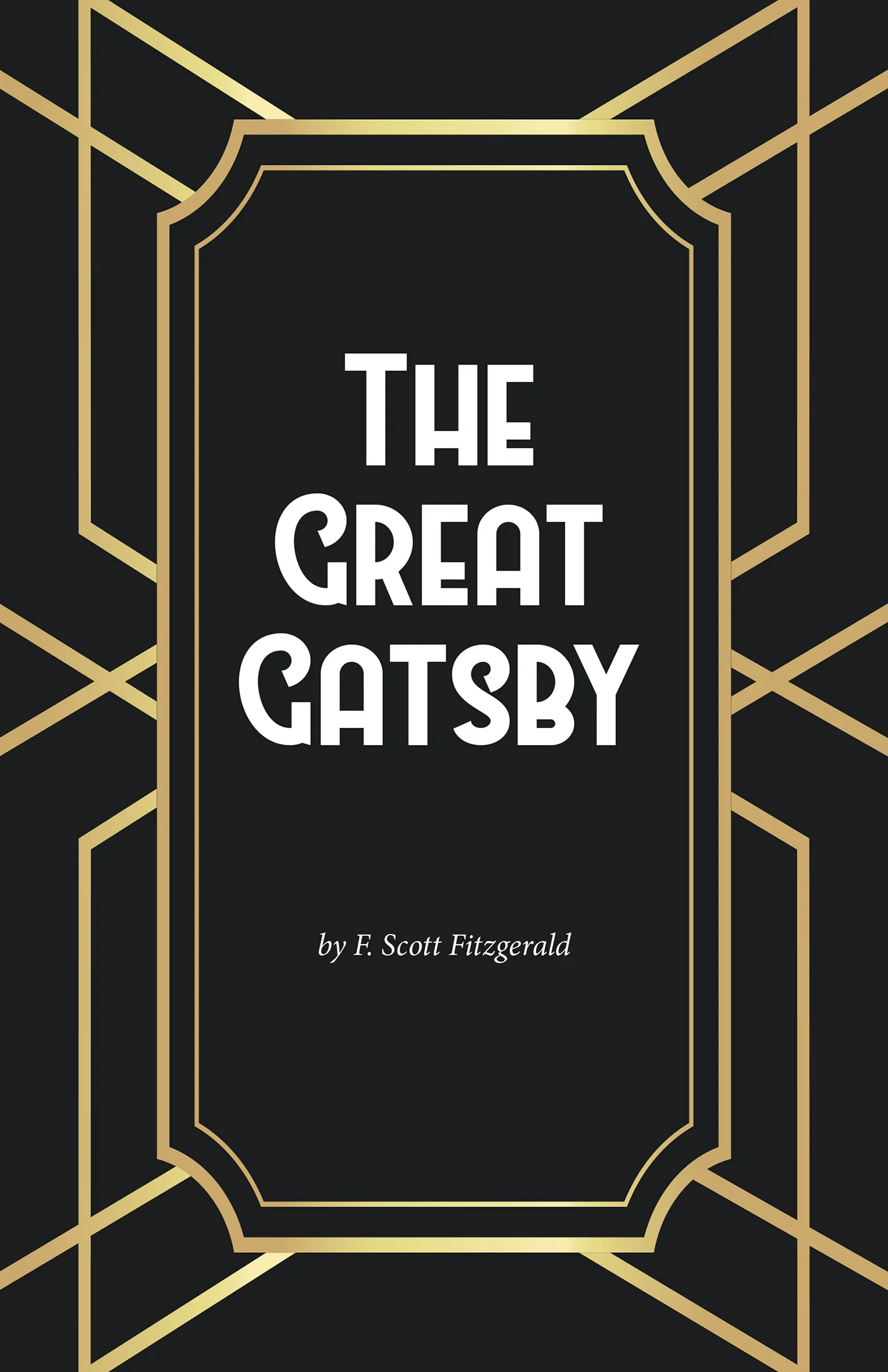
The Great Gatsby
A mysterious millionaire's obsessive pursuit of his lost love exposes the moral decay and hollow promises of the American Dream in Jazz Age society.
Overview
In the summer of 1922, Nick Carraway arrives in West Egg, Long Island, seeking his fortune in the bond business, only to find himself drawn into the glittering yet hollow world of Jazz Age excess. His modest cottage sits in the shadow of an extraordinary mansion owned by the enigmatic Jay Gatsby, whose legendary parties attract hundreds of guests each weekend—revelers who consume his lavish hospitality while spinning wild tales about their mysterious host's origins. Across the bay in the more fashionable East Egg live Nick's cousin Daisy Buchanan and her wealthy, brutish husband Tom, whose marriage conceals infidelities and moral bankruptcy beneath a veneer of aristocratic respectability. Between these two worlds lies the Valley of Ashes, a desolate wasteland overseen by the haunting billboard eyes of Doctor T.J. Eckleburg, where the consequences of the wealthy's careless games will ultimately unfold.
Gatsby's elaborate spectacles serve a singular purpose: to capture the attention of Daisy, the golden girl he loved and lost five years earlier when he was a penniless soldier named James Gatz. Through Nick's reluctant facilitation, the former lovers reunite, and Gatsby's carefully constructed persona—built on mysterious wealth and reinvented identity—begins to crumble under the weight of his impossible dream. As their affair intensifies, Gatsby demands that Daisy erase their years apart by declaring she never loved Tom, a declaration that proves as impossible as his desire to repeat the past. The fragile equilibrium of secrets and lies that sustains their world grows increasingly unstable, while Tom's own affair with Myrtle Wilson, the desperate wife of a garage owner, adds another volatile element to an already combustible situation.
The collision between dream and reality reaches its devastating climax during a sweltering confrontation at the Plaza Hotel, where Tom exposes Gatsby's criminal associations and humble origins, shattering the romantic illusion that has sustained both Gatsby and Daisy. In the aftermath, a tragic case of mistaken identity leads to violence that destroys not only Gatsby but also the Wilsons, leaving Nick to contemplate the moral wreckage left by the wealthy and careless. Gatsby's funeral, attended by almost no one despite his years of generous hospitality, becomes a stark testament to the superficiality of the world he sought to enter.
Fitzgerald's masterpiece stands as both a love story and an indictment of American society, exposing the corruption that festers beneath the glittering surface of the Roaring Twenties. Through Gatsby's tragic pursuit of an impossible dream, the novel reveals how the promise of reinvention and social mobility—central tenets of the American Dream—can become a destructive obsession that blinds individuals to reality's harsh truths. The green light at the end of Daisy's dock, toward which Gatsby reaches with such desperate hope, ultimately symbolizes not just his personal longing but America's own perpetual struggle between idealism and disillusionment, between the dream of what we might become and the reality of what we are.
Main Characters
- Nick Carraway - narrator and Gatsby's neighbor who becomes reluctantly entangled in the wealthy elite's moral corruption
- Jay Gatsby - enigmatic millionaire whose elaborate persona masks his desperate attempt to reclaim his past love
- Daisy Buchanan - Nick's cousin and Gatsby's lost love, representing the golden but ultimately shallow object of the American Dream
- Tom Buchanan - Daisy's wealthy, brutish husband who embodies the careless cruelty of inherited privilege
Central Themes
- The corruption and impossibility of the American Dream
- The contrast between appearance and reality in social class
- The moral decay of wealth and privilege
- The impossibility of recapturing the past
Mood & Atmosphere
Melancholic and dreamlike, suffused with romantic longing and mounting dread, capturing both the glittering excess and underlying emptiness of the Jazz Age