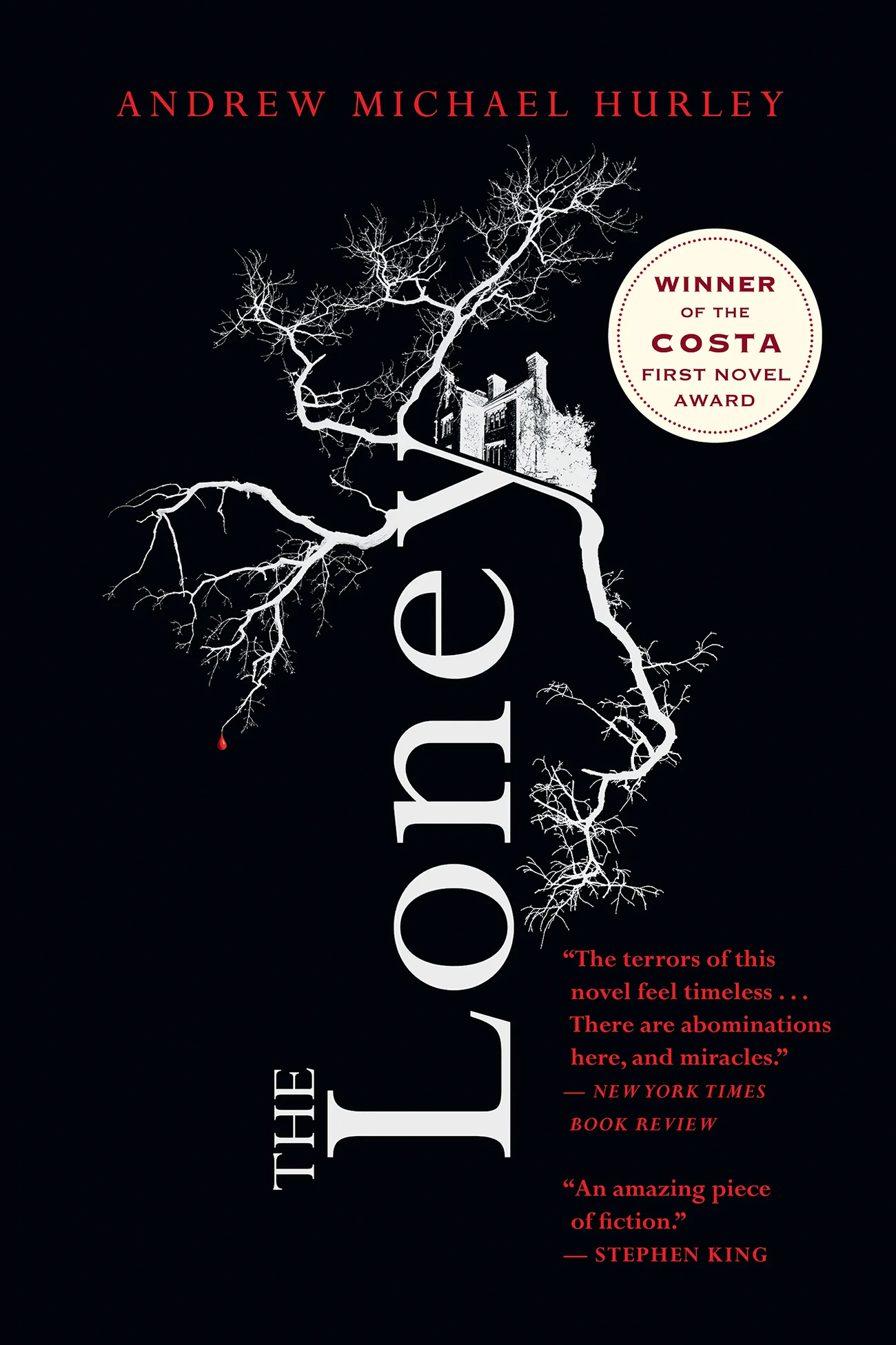
In 'The Loney,' a man's return to a desolate English coastline triggers a harrowing exploration of faith, trauma, and the enduring power of memory, as a group of pilgrims faces the dark truths of their past.
Overview
Set against the bleak and treacherous backdrop of the Loney, a desolate stretch of English coastline, Andrew Michael Hurley’s novel weaves a haunting tapestry of faith, trauma, and the enduring power of memory. The narrator, a man grappling with the aftermath of a violent storm and the resurgence of long-buried memories, is drawn back to the Loney, a place of pilgrimage and personal torment. Each year, he and his brother, Hanny, join their family and the parish on an Easter retreat to Saint Anne’s shrine, a journey fraught with danger and steeped in tradition. The Loney, with its shifting tides and hidden dangers, serves as a metaphor for the characters’ inner struggles, where the past and present collide in a series of unsettling revelations and confrontations.
As the group navigates the oppressive weather and the psychological weight of their shared history, tensions rise and secrets unravel. The narrator, haunted by the mysterious death of Father Wilfred and the enigmatic behavior of the new priest, Father Bernard, finds himself entangled in a web of suspicion and fear. Hanny, a boy with a unique condition, becomes the focal point of the pilgrimage, his innocence and vulnerability starkly contrasted by the adult world’s moral decay. The discovery of a hidden rifle, the appearance of the Pace Eggers, and the eerie voices in the night all contribute to a growing sense of dread, culminating in a series of events that challenge the group’s faith and sanity.
The novel’s middle section delves into the psychological and spiritual turmoil of the characters, particularly the narrator’s struggle with his own memories and the impact of the Loney on his psyche. The oppressive atmosphere of Moorings, the group’s temporary home, amplifies the sense of confinement and futility, as the relentless rain and the group’s internal conflicts create a suffocating environment. The narrator’s relationship with Hanny, marked by a deep bond and a shared history, is tested by the increasingly bizarre and dangerous occurrences, including the discovery of a mutilated lamb and the disappearance of Hanny during a pivotal moment.
In the final chapters, the narrative reaches a crescendo of tension and revelation. Hanny’s sudden ability to speak, deemed a miracle by the community, brings a glimmer of hope, but the narrator remains haunted by the true events at Thessaly and the implications of Father Wilfred’s lost faith. The novel’s resolution, marked by the narrator’s meticulous documentation of the Coldbarrow incident and his determination to protect Hanny, underscores the enduring impact of past traumas and the complex interplay between faith and doubt. The Loney, with its richly layered narrative and atmospheric prose, ultimately explores the treacherous nature of memory, the fragility of human belief, and the enduring scars of personal and collective tragedy.
Main Characters
- Narrator - a man grappling with his past and the traumatic events of the Loney
- Hanny - the narrator's brother, a boy with a unique condition and a central figure in the pilgrimage
Central Themes
- faith and doubt
- tradition vs. modernity
- memory and the past
Mood & Atmosphere
Grim, atmospheric, and psychologically intense, with a pervasive sense of dread and the uncanny